Bamiyan (بامیان) Travel Guide, Afghanistan

Bamiyan (بامیان) is the capital of Bamiyan Province, Afghanistan. It is also the largest city in the Hazarajat Region. Bamiyan is located at an elevation of 2,800 m (9,200 ft), about 240 km to the northwest of Kabul.
Also written as Bamyan, Bamiyan is an ancient city that has been around since the time of the Silk Road. It was named after the Hindu-Buddhist monastery that was established in the area during the ancient time. The name comes from the Sanskrit word varmayana, meaning "colored".
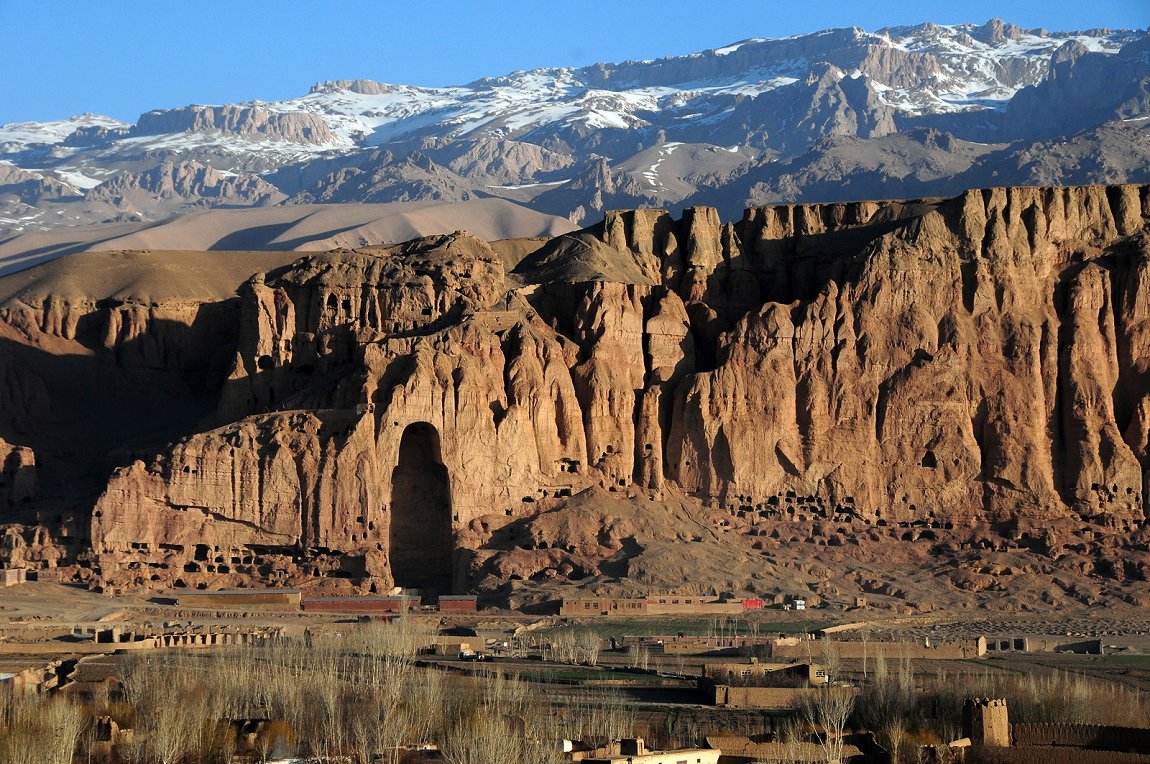
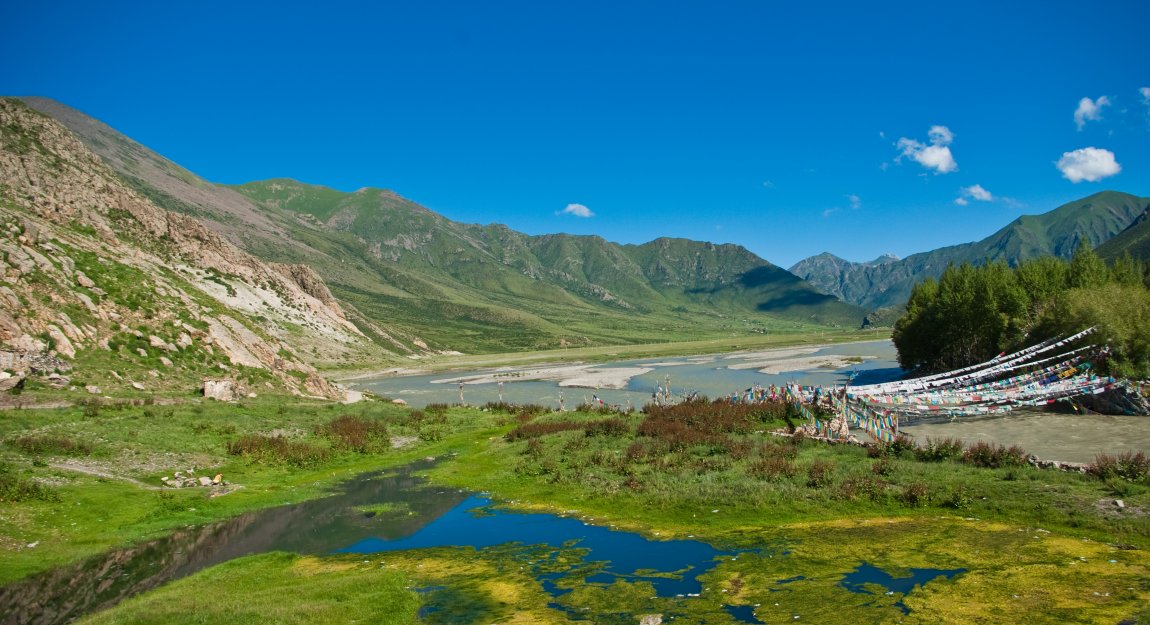
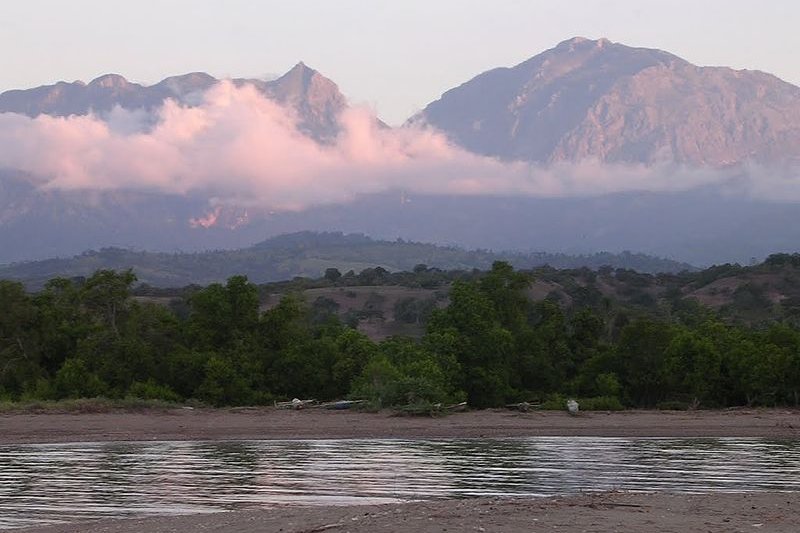
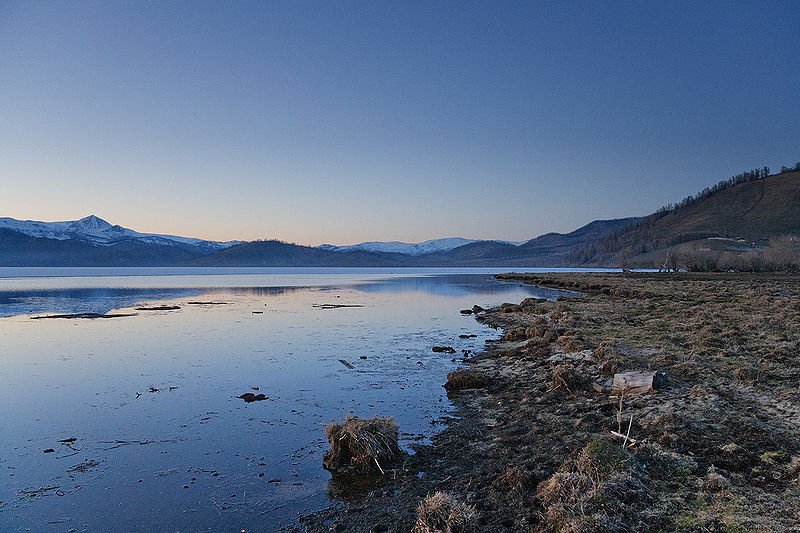
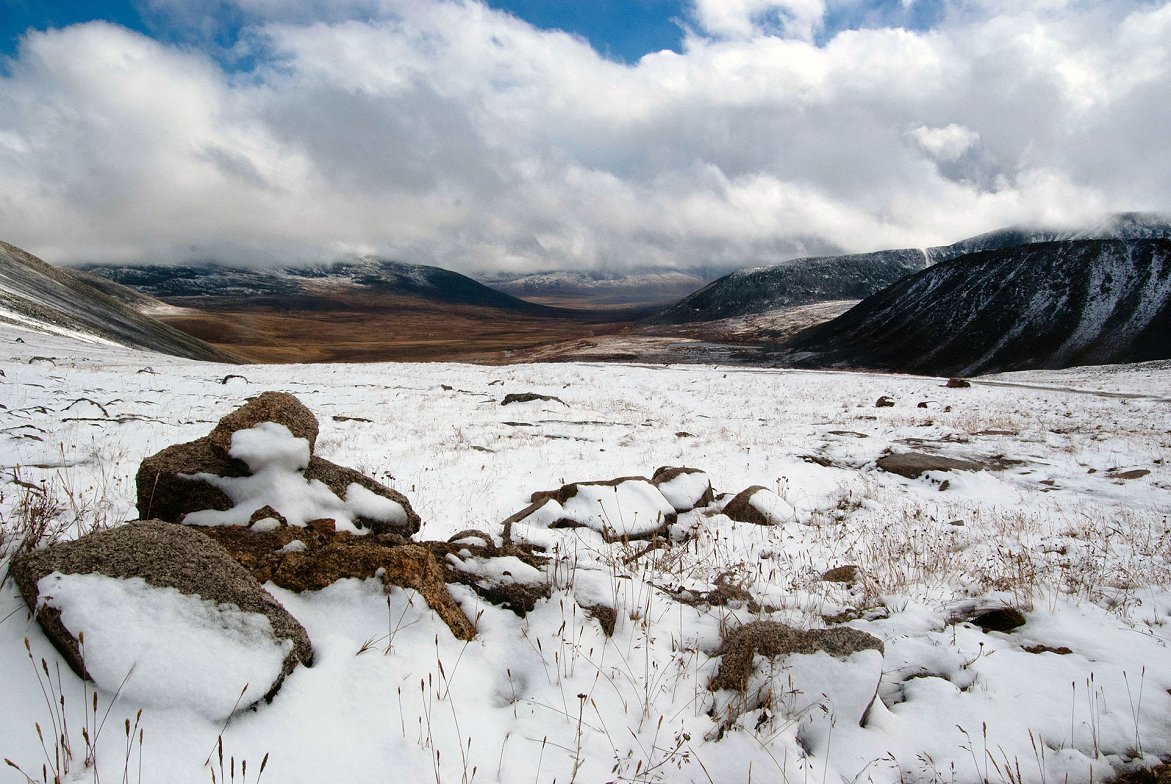
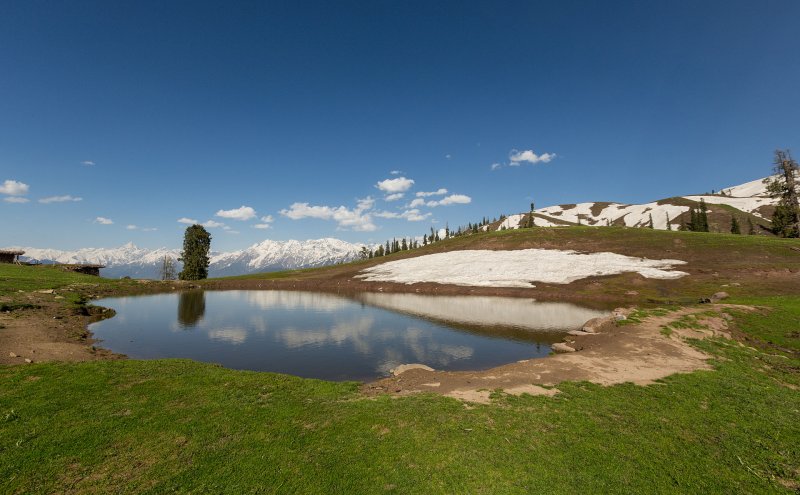
 Bamiyan Valley, Afghanistan Author: Hadi Zaher (Creative Commons Attribution 3.0 Unported)
The city of Bamiyan has an arid climate. The warmest months are July and August, when the average high temperature reaches 26.1°C (79°F) and often higher. Coldest month is January, when the temperature drops to -12.1°C (10.2°F). Precipitation in Bamiyan is low, totalling just around 133 mm (5.236 in) a year.
Bamiyan is best known around the world for its colossal Buddhist statues, including the tallest in the world. Unfortunately the statues were destroyed by the Taliban in March 2001, on the grounds that they were un-Islamic.
 Destroyed Bamiyan statues with caves at the foot of the cliffs Author: Tracy Hunter (Creative Commons Attribution 2.0 Generic)
At the foot of the statues were caves. These were used by the Taliban to store weapons. After the Taliban were ousted from the area, the caves became home to civilians. In 2008, refugees living in the caves stumbled upon a fantastic collection of Buddhist statues and jars. The jars are stuffed with ancient Buddhist manuscripts which are of great archaeological significance.
Visiting Bamiyan
Getting to Bamiyan means taking a 4WD ride from Kabul. There are minivans from Kabul offering trips for about 400 afghanis (a price obtained if you bargain hard). The journey to Bamiyan takes 9 hours.
 Bamiyan Caves Author: Tracy Hunter (Creative Commons Attribution 2.0 Generic)
|
|