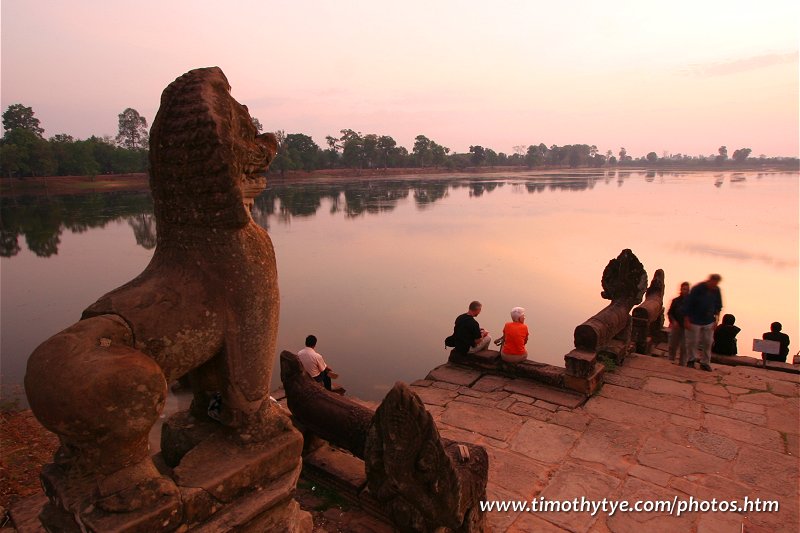
The sight is located within Angkor. To prepare for your visit, read the AsiaExplorers Angkor Travel Guide for useful information. Visitors to Angkor stay at the town of Siem Reap. If you are looking for accommodation in Siem Reap, you can compare prices of Siem Reap hotels here.
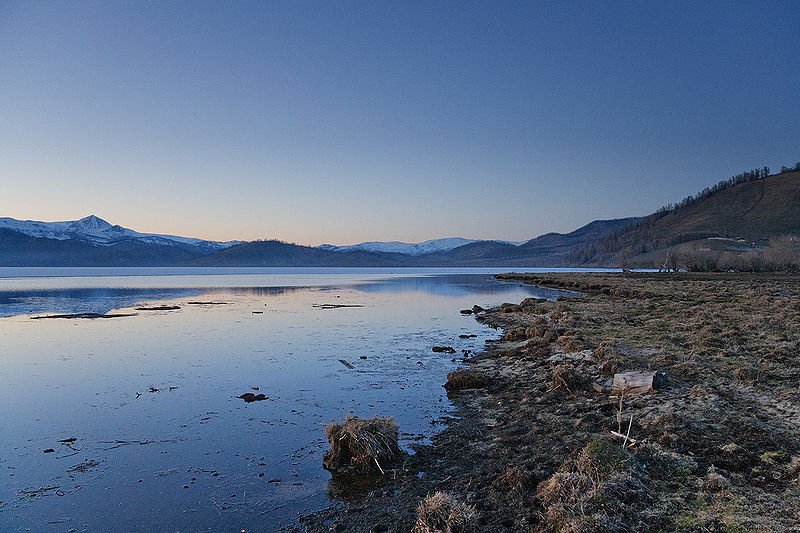
Tonle Sap, the Great Lake of Cambodia, is an immense freshwater lake on mainland Southeast Asia. Also written Tonlé Sap, the lake has a unique characteristic in that its surface area expands and contracts according to the season in the year. During the dry season, from November to May, the Tonle Sap is between 2500 - 3000 sq km in area, making it still larger than the volcanic crater lake of Lake Toba in Sumatra, which weighs in at "only" 1103-1265 sq km. However, as the depth of Tonle Sap is only about 10 m at most, Lake Toba holds a much higher volume of water, 240 km3 vs only 40 km3 at Tonle Sap.
The Sap River flows out of Tonle Sap and links to the Mekong at Phnom Penh downriver. Its link to the mighty Mekong River creates a very unusual phenomenon that happens every year around June or July. May to October is the wet season of the southwest monsoon. During this period, the volume of the Mekong River increases so much that it causes the Sap River to reverse its course, pushing the water backwards into into the Tonle Sap, expanding the lake to as much as 8000 sq km, even 11000 sq km in some years, and filling it with rich sediment.
This annual back-and-forth flow creates a rich breeding ground for fish, and that in turn ensures a rich biodiversity for the Tonle Sap region. The Tonle Sap was enlisted as a Unesco biosphere in 1997.
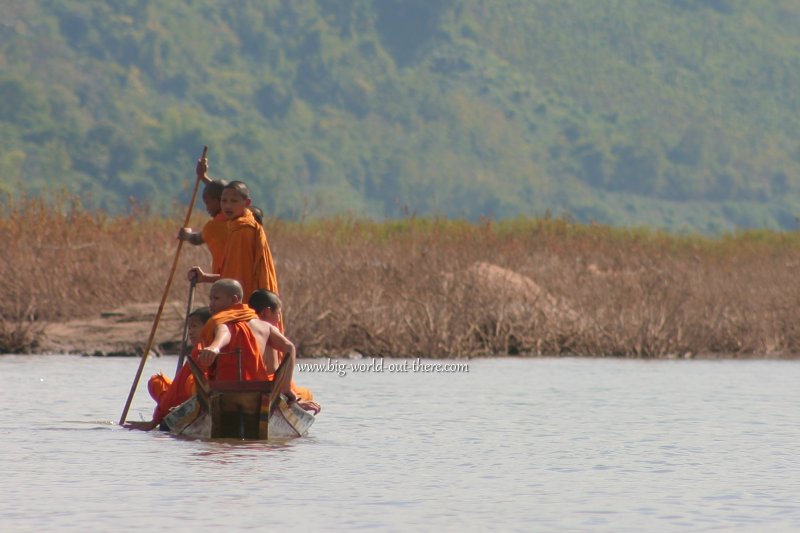
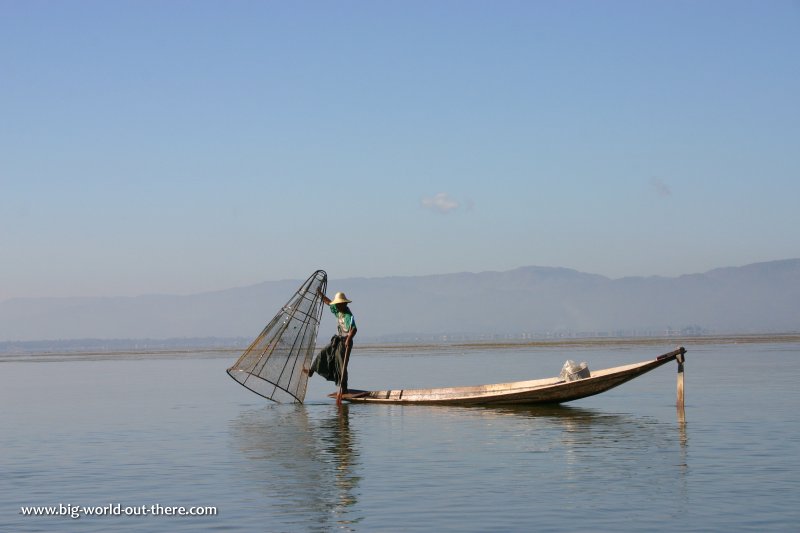
People live in floating houseboats as well as in stilt houses on the Tonle Sap. They include Muslim Cham people and migrant communities from Vietnam. Their whole life revolves within this unique ecology above the tea-coloured waters of the lake. I visited the Tonle Sap when I was in Siem Reap to explore the ruins of Angkor.