World Travel Guides UNESCO World Heritage Site West Baray
Ancient Angkor reservoir


Exotic Tours of Asia
 Compare Hotel Room Rates from different Booking Sites  Asia Travel Guide     
The sight is located within Angkor. To prepare for your visit, read the AsiaExplorers Angkor Travel Guide for useful information. Visitors to Angkor stay at the town of Siem Reap. If you are looking for budget accommodation in Siem Reap, use the Cambodia Budget Accommodation Guide to find a place to stay.


Built in the 11th Century
started by King Suryavarman I (reigned 1001-1050)
completed by King Udayadityavarman II (reigned 1050-1066)


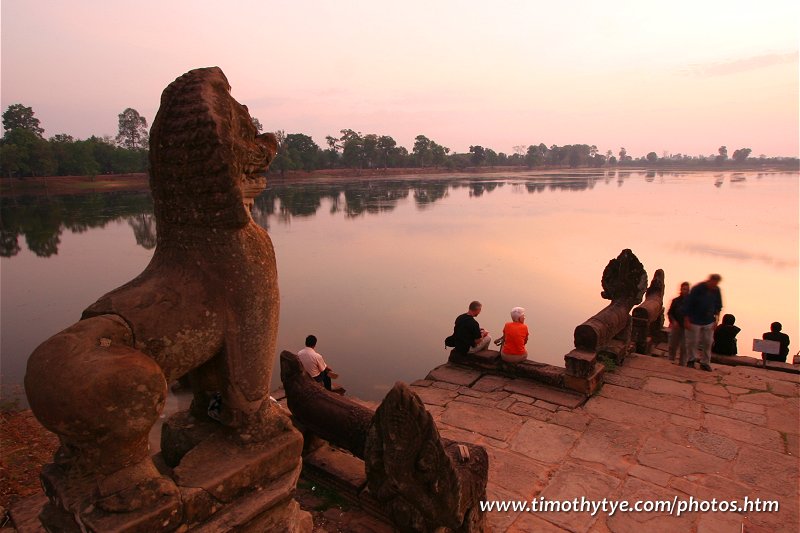
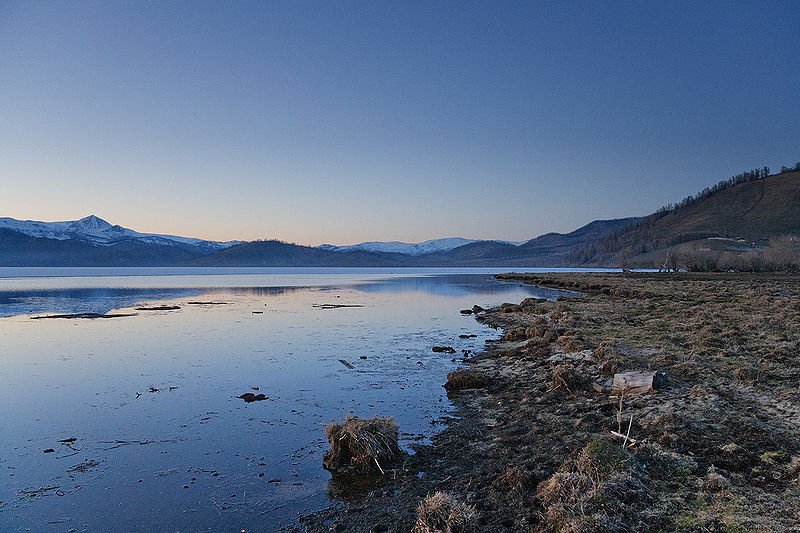
West Baray is the largest manmade reservoir of the ancient Khmers. I cannot begin to give you an idea of its size. When I took a boat on it, it felt like travelling in a lake. I had to keep reminding myself that this lake was man made a thousand years ago. Just consider the dimensions: West Baray is eight kilometres in length and two kilometres in width. It originally covered an area of 1760 hectares and had an average depth of 7 meters, holding 123 million cubic litres of water. Today only the western two thirds are covered with water, and it reaches a depth of 4-5 meters. The rest of it has been turned into paddy fields.


West Baray


West Baray is the only baray left that still has water in it (apart from Srah Srang, which is too "small" to be considered a baray). I had the good fortune of West Baray by boat. The view was simply superb.

The West Baray used to be filled only by rain water. Nowadays, with the construction of a barrage on the Stung Siem Reap not far from the temple of Ta Nei, it is replenished by a system of channels which make use of the north and part of the west moats of Angkor Thom.

At the centre of West Baray is the small temple of West Mebon. It was built in the same style as the Baphuon.

West Baray is believed to have been completed around the 11th century. Its eastern dike corresponds with the western limit of Yasodharapura, the first Angkor city centred on Phnom Bakheng. It is similar to the East Baray which is now dry and started towards the end of the 9th century, during the reign of Yasovarman.

Traces of ancient pathways and the remains of buildings found in the baray suggests that the area must have been inhabited before the baray was built. Perhaps the most visible sign of this is the ruins of Ak Yum, which was built earlier than the West Baray.


How to go to West Baray

West Baray is not a major sight in Angkor, and there is likelihood that it will not be included in most packaged tours. To visit the West Baray on your own, leave Siem Reap by Route 6 (the main road to the airport) in the direction of Sisophon towards the north-west. After 12 km, turn right on the road leading north. Travel for another 500 metres to arrive at the south-west dyke of the West Baray. If you are travelling independently and need a reliable tuk tuk, you can contact my tuk tuk driver, Mr Han (contact details below) to see if he is available.


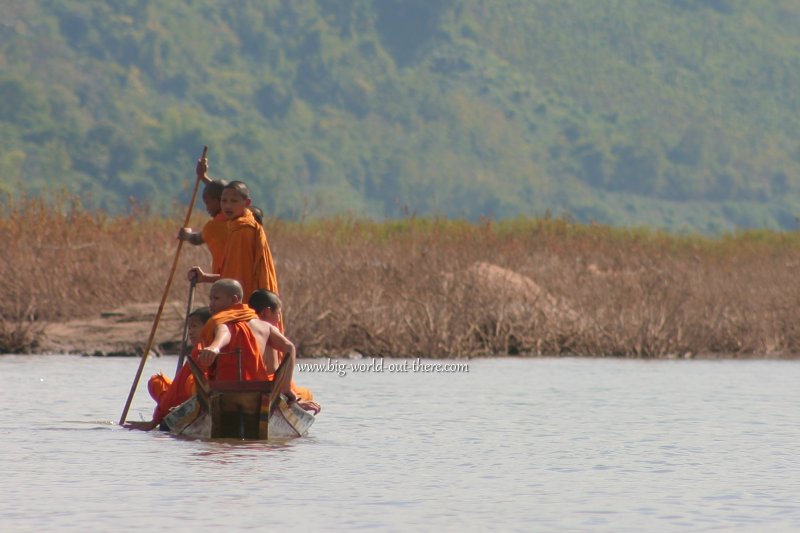
Our young West Baray boat captain.


West Baray shore.


Angkor, Unesco World Heritage Site

AsiaExplorers provides you one of the most detailed documentation on Angkor, Unesco World Heritage Site, for you to explore from the comfort of your desktop.


Siem Reap Travel Guide

If you are visiting Angkor, it's almost definite that you will be staying in a hotel or guesthouse in Siem Reap. You will probably also need to hire a tuk tuk to take you around. Click the thumbnail on the left to view vital details to make your stay in Siem Reap more pleasant.


Return to Angkor Travel Guide
Return to Angkor Travel Tips or to Cambodia Travel Guide


Get my latest updates on Google+


Find a hotel


Point - Click - Discover!

Thanks for visiting this webpage. To continue exploring, choose another destination!


My World Travel Guides - celebrating a beautiful world beautifully.

Accessories for your trip