Your base for this destination is the city of Chengdu. For travel information about Chengdu, go to Chengdu Travel Guide
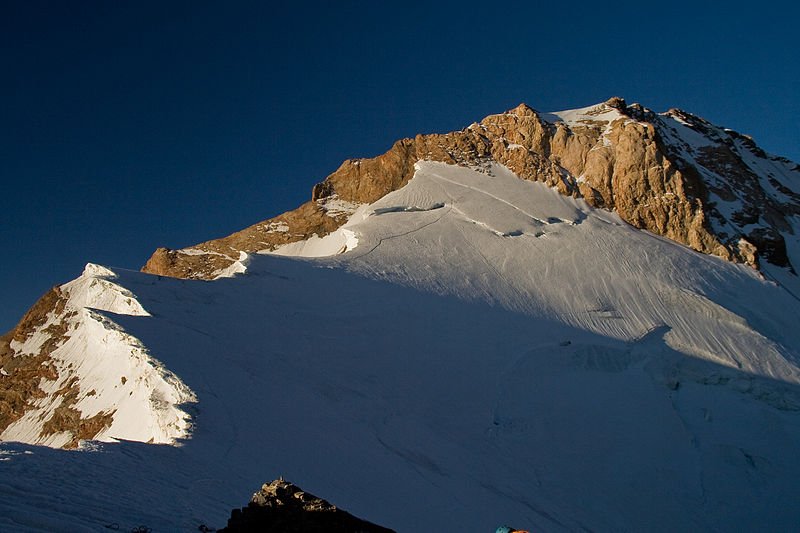
Emeishan is one of the four most sacred Buddhist Mountains in China. The mountain got its name from two peaks that face each other and resemble eyebrows. The undulating peaks of Emeishan are covered with lush forests occupying an area of more than 300 square kilometers (116 square miles) in southwest Sichuan Province, 160 km from Chengdu.
Many different visitors are drawn to Emeishan, from pilgrims making sacred journeys to climbers attempting to scale the magnificent heights. Most of the monasteries and temples on Emeishan were built during the Eastern Han Dynasty (25-220AD), while others were added later on. Being a well-known Buddhist sanctuary, Emeishan once had more than 100 monasteries. The mountain is known for its craggy cliffs, lofty peaks, roaring waterfalls, gurgling springs, towering trees and fragrant flowers.
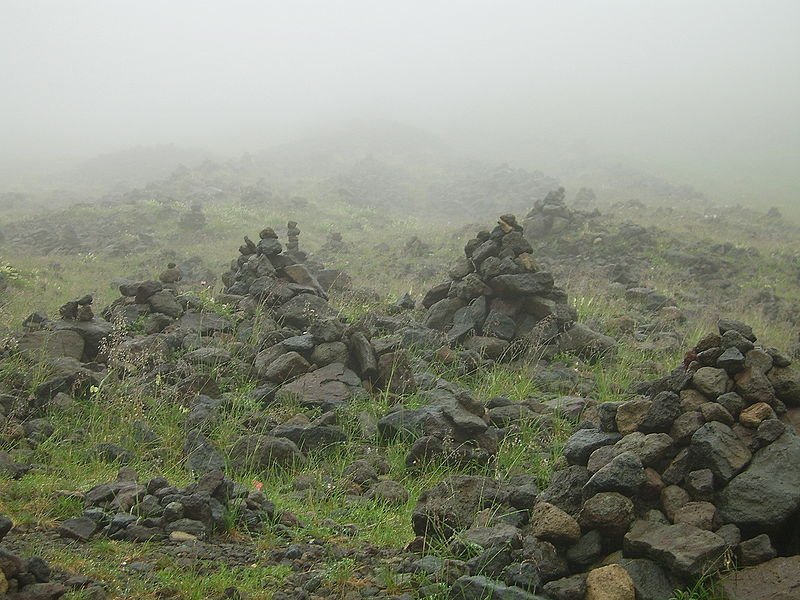
Emeishan shrouded in heavy fog.
There are rare animal and bird species on Emeishan, including 200 different types of butterflies. About 29 meters below the summit is Jinding Si, or Golden Peak Temple, with a 20-meter long bronze hall.
When the weather is ideal, a remarkable natural phenomenon can be experienced at the peak. When the sun is in the right position, we can view our own showdow cast onto the clouds below the peak, and an auro of pastel rainbow forms around our silhouette. Buddhist pilgrims consider this a special sign and in the past, many devotees threw themselves from the peak into their shadow imagining that this leads directly to the longed-for nirvana.
The Mount Emei Scenic Area, including Leshan Giant Buddha Scenic Area was recognised by Unesco as a World Heritage Site in
About the Author: AsiaExplorers is researched and written by Timothy Tye. We take reasonable care to check and verify the accuracy of the content. However, we disclaim any responsibility for any inconvenience, mishap, injury or death resulting from following the advice provided directly or indirectly by AsiaExplorers and the comments on its pages. All the photographs in AsiaExplorers are available for publication. Please contact AsiaExplorers at the following email address for your enquiries: