Sichuan Province Travel Guide provides informative description on Sichuan, also known as Szechuan (also written Szechwan). Sichuan is a province in central-western China. The city of Chengdu is its capital. With 10 percent of China's population, Sichuan is the most populous province in China. There are more than 100 million people in Sichuan, in an area of 480,000 sq km (185,000 sq miles). The majority of Sichuan's population is Han Chinese, who are found scattered throughout the province. Minority groups include the Tibetans, Yi, Qiang and Naxi. They reside in the western portion of Sichuan, part of Tibet's Kham region.
Sichuan is bordered by the Himalaya to the west, the Qinling Range to the north, and the mountain range of Yunnan to the south. The main rivers that flow through the Sichuan basin are the Chang Jiang (Yangtze River), and its tributary, the Minjiang (or Min River) which joins the Chang Jiang at Yibin.
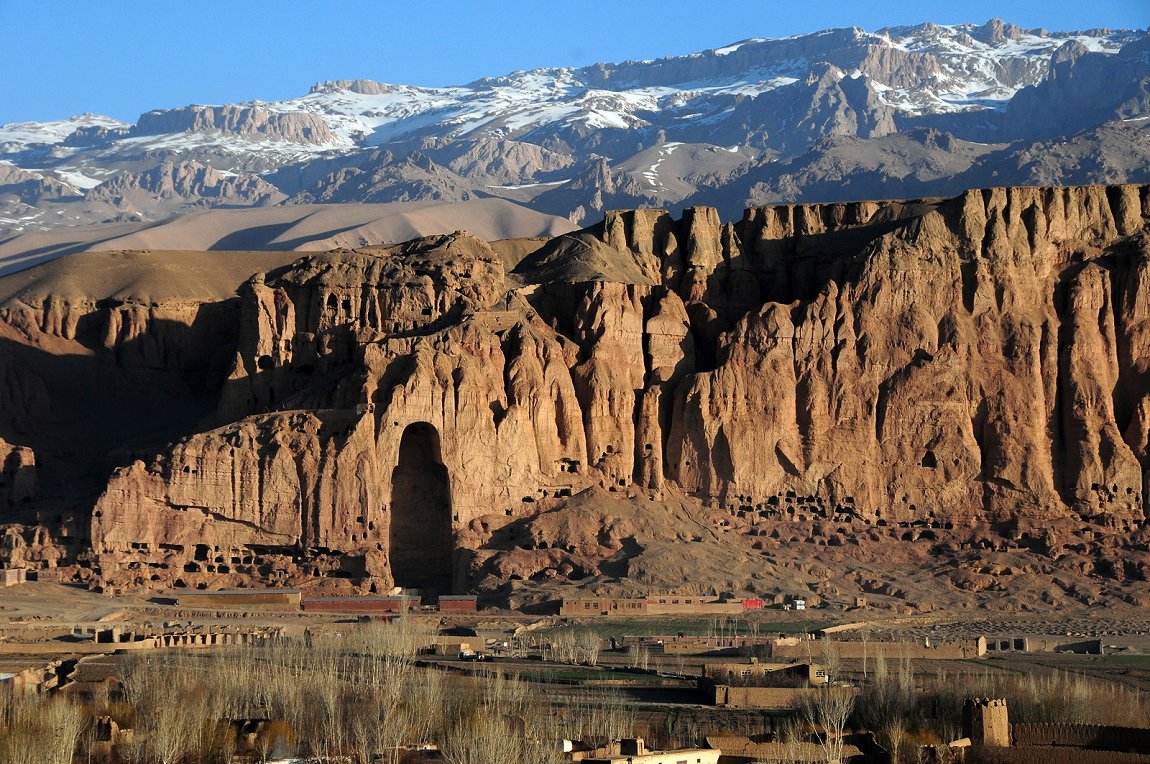
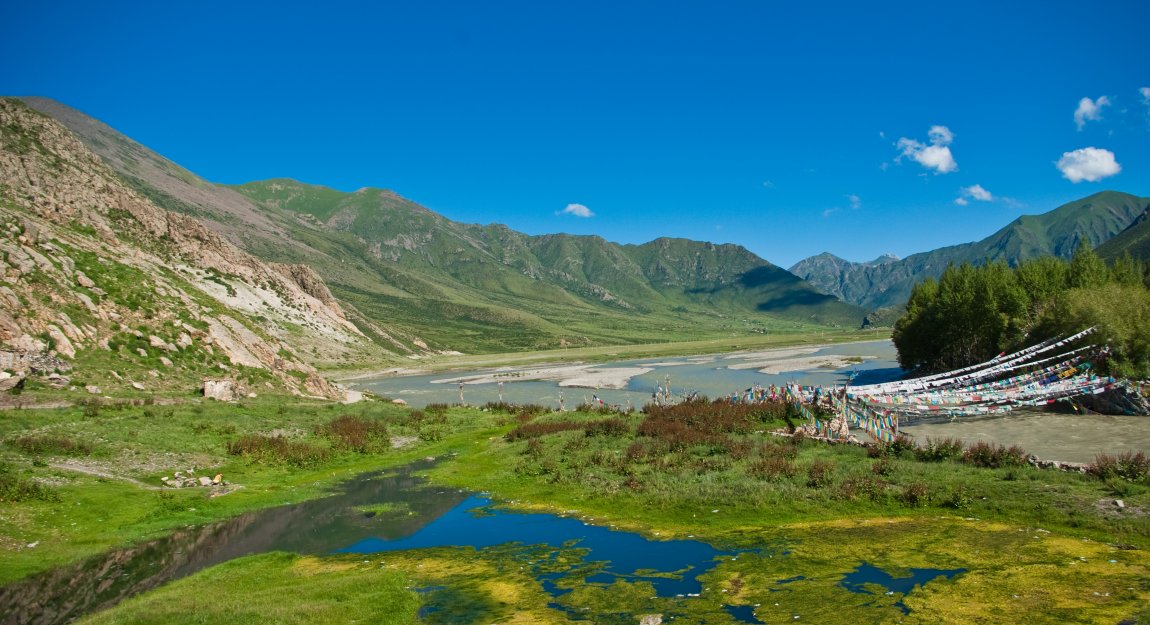
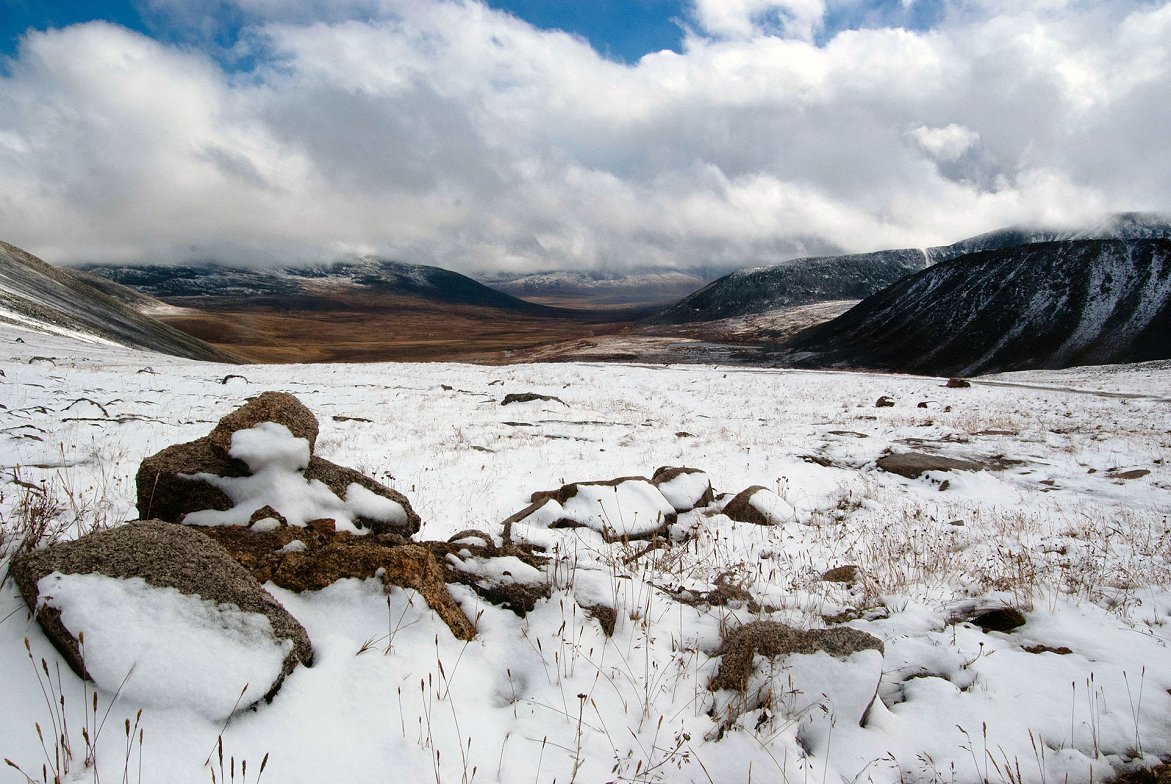
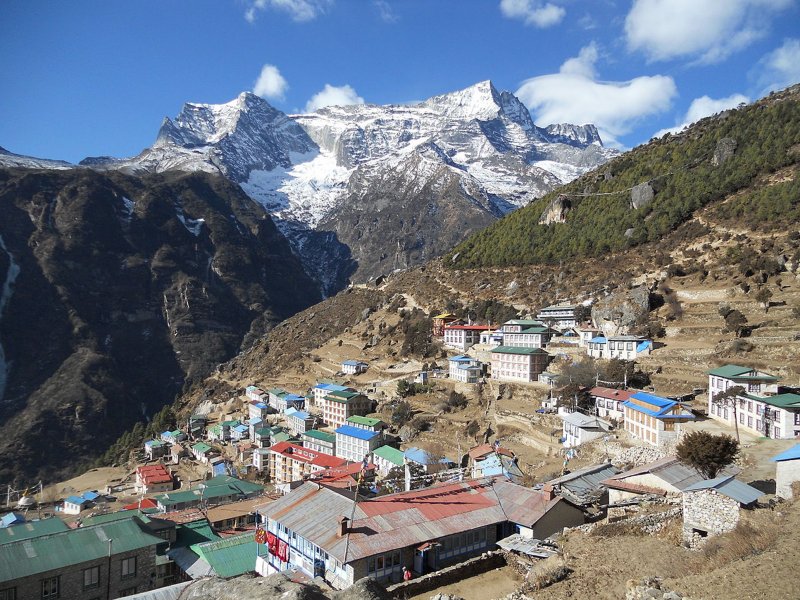
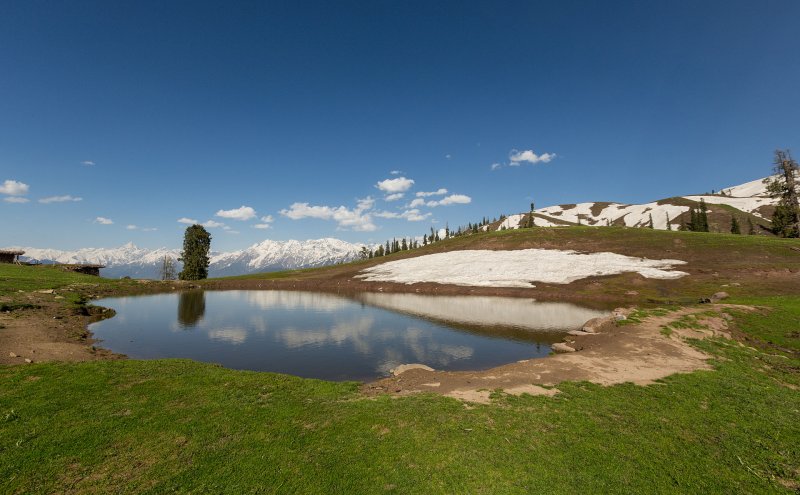
Sichuan is a province with jagged mountains bordering on Tibet.
Visitors to Sichuan will discover a heavily foggy climate. Many of its main cities are quite polluted and are often blanketed in heavy smog with few days of clear skies. Mandarin is understood throughout Sichuan. The dialects spoken in Sichuan, including the Chengdu dialect, belong to the southwestern subdivision of Mandarin, and are similar to the dialects spoken in neighbouring Yunnan and Guizhou provinces as well as in the Chongqing Municipality.
Until March 14, 1997, Chongqing (also written Chungking in Postal Pinyin) was a sub-provincial city of Sichuan. Since then, Chongqing City has been combined with the neighbouring Fuling, Wanxian and Qianjiang prefecture-level entities to form the Chongqing Municipality. It is the largest and most populous of China's four provincial-level municipalities, and the only one in the less densely populated western half of China. The population of Chongqing municipality is 32,355,000 (2004), the majority living outside the urban area of Chongqing proper. The metropolis of Chongqing has an estimated 3.4 million people in 2004, ranking it the 10th largest urban area of China. The actual urban population of Chongqing can be as high as 7.5 million, if the many unregistered migrants from the countryside are included.)
The prefectures of Garze and Aba in western Sichuan are populated mostly by Tibetans. They speak the Kham and Amdo dialects. The Qiang and other related people speak the Qiangic languages, also part of the Tibeto-Burman languages. The Yi of Liangshan prefecture in southern Sichuan speak the Yi language, which is more closely related to Burmese; Yi is written using the Yi script, a syllabary standardized in 1974.
Sichuan is one of the major agricultural production bases in China. The crops produced here include rice and wheat, and commercial cash crops such as rapeseeds, citrus fruits, peaches, sugar canes, and sweet potatoes. Sichuan is also China's biggest producer of pork and the second largest producer of silkworm cocoons (as of 1999). Sichuan Province is rich in mineral resources, and has the highest reserve of vanadium, titanium, and lithium in China. The Panxi region alone holds 13.3% of the iron reserve, 93% of titanium, 69% of vanadium, 83% of cobalt of China.
Sichuan is a major industrial centre for western China. In addition to the established heavy industries such as coal, energy, iron, and steel, Sichuan is building up the light manufacturing sector comprising building materials, wood processing, food production and silk processing. The cities of Chengdu and Mianyang are the production bases for textiles and electronics products. Deyang, Panzhihua, and Yibin are the production centres for machinery, metallurgy industries, and wine respectively. Sichuan accounts for 21.9% of the wine production of China in 2000.
The Three Gorges Dam, the largest dam ever constructed, is being built on the Chang Jiang in neibouring Hubei province. The plan is hailed by some as a Chinese effort to shift towards alternate energy sources and to further develop its industrial and commercial bases. Environmentalists however have criticised the project for its potential harmful effects, such as massive resettlement of refugees, loss of archeological sites, and ecological damage.
Tourism
Sichuan has a high concentration of Unesco-recognised World Heritage Sites. They are listed below with their date of inception into the Heritage list. AsiaExplorers endeavours to provide members opportunities to explore all these destinations.
Dazu Stone Carvings (1999)
Huanglong Scenic and Historic Interest Area (1992)
Jiuzhaigou Valley Scenic and Historic Interest Area (1992)
Mount Emei Scenic Area, including Leshan Giant Buddha Scenic Area (1996)
Mount Qincheng and the Dujiangyan Irrigation System (2000)
When you are planning to book a hotel room, it pays to do your homework and find the Hotel Booking website offering the hotel room you want at the lowest price. Our free Hotel Search Engine lets you compare hotel room rates offered by different booking sites. Just key in your visiting City. You are sure to save.
As an independent traveler, you have the freedom to create your itinerary according to your own schedule. Here are local tours of China that you can fit into your vacation. Tours are arranged by Viator, one of the biggest tour scheduling organisations in the world, so you have peace of mind.
Follow me on Twitter
Sign up to Tim's Travel Tips, and let me take you to explore the places in Asia.
Do link to AsiaExplorers!
If you enjoy exploring Asia and getting to know its places of interest, place a link from your website or blog to AsiaExplorers. Let AsiaExplorers be your window to all the fascinating sights in Asia! It is as easy as copying the source code below and pasting it on your site:
Exchanging Links with AsiaExplorers
If you have a quality website related to travel in Asia or any specific country in Asia, write to me if you are interested to exchange links. I do not keep a Link Directory page (which I find to be ineffective), but will link directly from any content page to another reciprocal website with relevant content. I will only exchange links with websites which are of quality and are relevant to my readers. You can write to me at:
AsiaExplorers is researched and written by Timothy Tye. Reasonable care is taken to check and verify the accuracy of the content. AsiaExplorers disclaims responsibility for any inconvenience, mishap, injury or death resulting from following the tips and advice provided directly or indirectly by this website. All pages may be printed out for your own personal, non-commercial use. Photographs not credited to a third party belong to Timothy Tye and may not be reused in any form unless you are first given permission. Write in to inquire if interested. Third party photographs are governed by their respective licenses. The author is a Christian. Click here if you are interested to know more about his Christian beliefs. To contact AsiaExplorers, use the following email address: