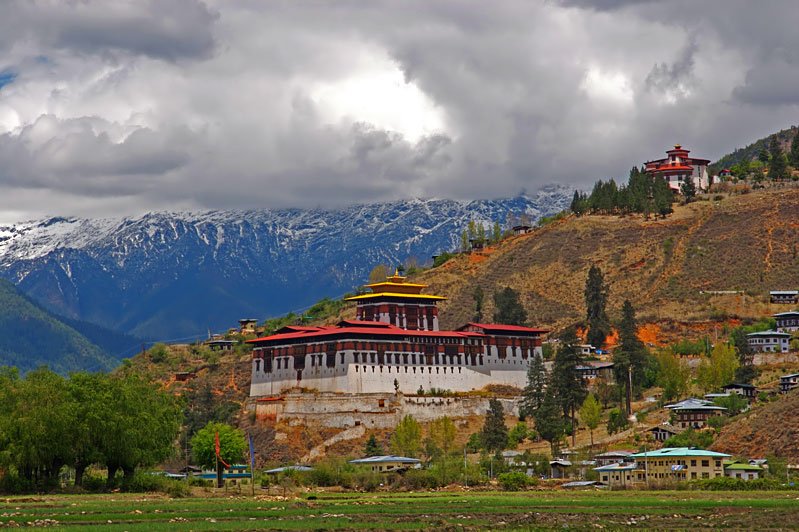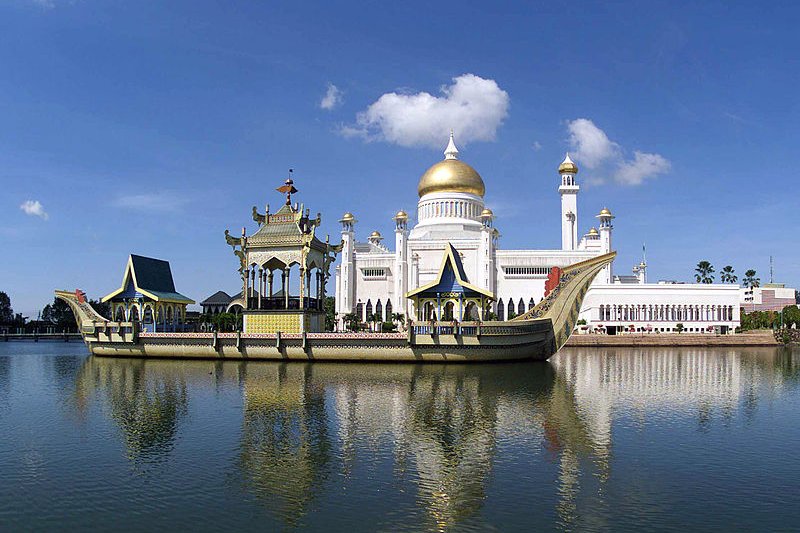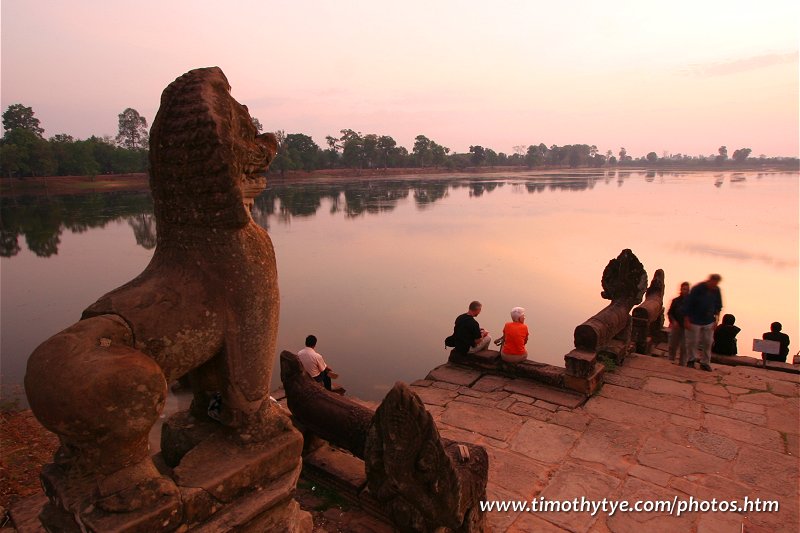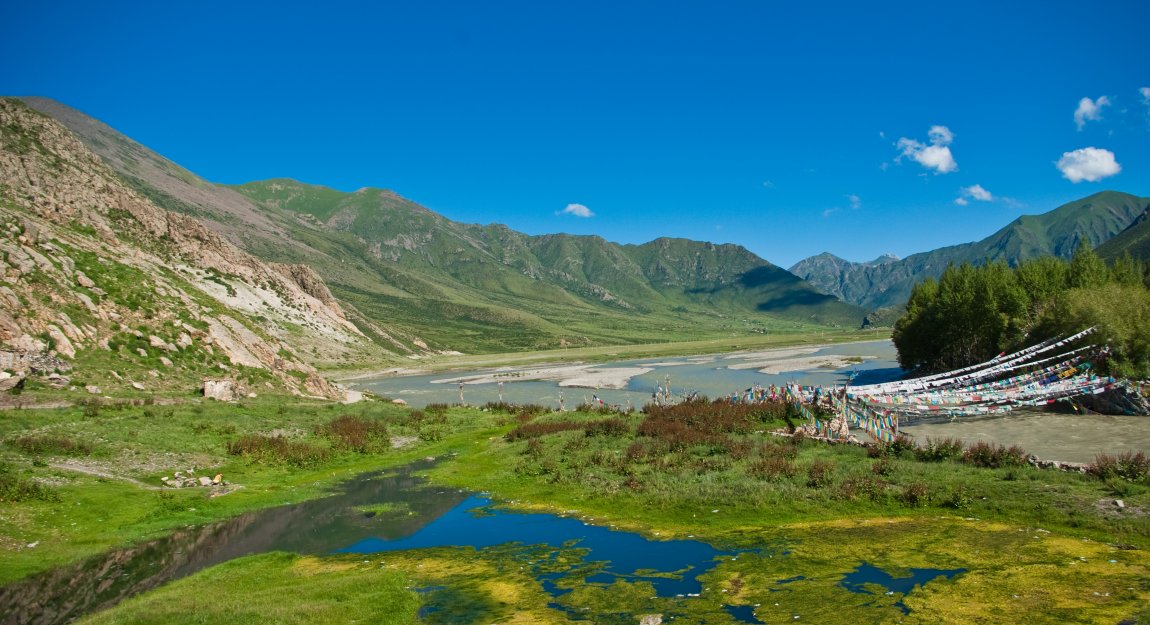
Explore a different destination China Budget Travel Guide


    UNESCO World Heritage Sites  Compare Hotel Room Rates from different Booking Sites
China Budget Travel Guide: The Great Wall
Author: Hao Wei (Creative Commons Attribution 2.0 Generic)


China Budget Travel Guide provides you useful tips for exploring China on a limited budget. While China might not fit the picture of an expensive destination, it is a country where your money can evaporate before your very eyes. As a budget traveler, I am extra wary when travelling in China, and you should be too. My favorite word of caution goes something like this:

In China, anything that can be faked is fake. The only thing you can be sure is genuine are the crooks.

Having said that, now let me tell you about China.

China for the Budget Traveler

China is the most populous country in the world. It covers an area of 9,560,960 sq km, making it the largest country in Asia, and third largest in the world behind Russia and Canada. China's population of 1.29 billion is also the biggest in the world. There are countless places to visit in China. Famous sights include the Forbidden City, the Great Wall and the Terracotta Soldiers of Xi'an. These are just three out of a huge treasure trove of sights we will explore in AsiaExplorers.

Inside Jinmao Tower, Shanghai
Author: Dmitry Fironov, (GFDL)

China is too vast for generalisation. As the third largest country in the world, China shares a common border with North Korea, Russia, Mongolia, Kyrgyzstan, Kazakhstan, Tajikistan, Afghanistan, Pakistan, India, Nepal, Bhutan, Myanmar, Laos and Vietnam. China consists of mountain ranges (35%), high plateau (27%), basin and desert (17%), hilly terrain (8%) and plains (13%). Only 7 percent of the country can be used for agriculture. China is very densely populated, especially along the eastern coastal provinces, while the western end is sparsely populated.

What to see in China

Being such a vast country, China has so much to offer visitors. Megacities such as Shanghai and Beijing are the main gateways to the country. These huge cities also has a lot of tourist attractions and nearby destinations which visitors can explore. They also offer great shopping opportunities.

There are many heritage cities in China, such as Xian, Lijiang, Chengdu, Lhasa, Urumji, and so on. Each has its own character and feel. There are also specific destinations in each corner of China, including Xishuangbanna in Yunnan Province, Jiuzhaigou in Sichuan Province, Zhangziajie in Henan Province, among others. There is indeed so much to see in China, most people would need several visits just to cover a small fraction of everything interesting in the country.


Huangshan
Huangshan
Mätes II, (GFDL)

China Travel Information

Time Zone: +8GMT China is 8 hours ahead of Greenwich Mean Time. Daylight Savings Time is not practised in China, so it is BST +7 from Apr - Oct.
Currency: yuan (RMB, ¥)
Language: Mandarin Chinese is the official language although numerous Chinese dialects are spoken, with the most popular outside of mainland China are Cantonese and Hokkien.
International Dialing Code: 86
Population: 1.29 billion
Religion: no official religion although Confucianism, Taoism, Buddhism, Islam and Christianity are practised and "tolerated".
Electricity: 220V 50Hz.
Electrical Outlet: Most wall sockets has the three connectors (L, N, and E). Hotel bathrooms are often equiped with the 110V socket for electric razors but not for hair dryers. (See details here: http://www.kropla.com/electric.htm)
Driving: On the right side of the road.

China Entry Points

Entering China by Air

We expect the majority of users reading this AsiaExplorers page to be entering China by flight. You can get great deals from China-based travel sites such as eLong and Ctrip. They offer better prices than US-based websites such as Expedia.

The main gateways are the airports in Beijing, Shanghai, Chongqing, Urumqi and Xi'an. Details on the airlines flying into each of these destinations are provided in their respective pages. Arriving passengers must fill out the arrival cards, customs and health declarations. On departure, passengers must pay a 90-yuan airport tax. For domestic flights, the airport tax is 50 yuan.

Entering China by Rail

Information on China Railway Timetable is available at http://www.china-train-ticket.com/
  • Moscow: The Trans-Siberian Railway is one of the world's great train journeys. It passes Beijing on its way to Moscow. This line, also called the Trans-Manchurian and Trans-Mongolian, actually has its terminus in Siberia's Pacific coast, not China. If you're taking this train into Beijing, the same health and customs procedures apply to those arriving on international flights.

    The Trans-Mongolian line links Beijing to Moscow via Ulan Bator (@Ulaanbaatar), a 5-day trip. The Trans-Manchurian line takes 6 days; it enters China at Manzhouli. Both lines leave Moscow once a week. Information on how to book the Trans-Siberian Railway: http://www.seat61.com/Trans-Siberian.htm
  • Vietnam: There's a twice-weekly train service linking Hanoi with Beijing. Stops include Nanning, Changsha and Guilin.

    Entering China by Road

    Overland routes are available for you to enter China at several international border crossings. Here are a few:
  • Myanmar (@ Burma): A border crossing between Yunnan in China and Myanmar was open since 1996, but foreigners are discouraged from using it.
  • Nepal: The international border crossing with Nepal has been open since 1985. It is possible to book a tour in Kathmandu to tour Tibet, in which case the tour agency in Kathmandu will help you arrange the visa. Otherwise, get your visa outside Nepal. Also note that travel between Kathmandu and Lhasa involves considerable time, for travel as well as for bureaucracy.
  • Laos: Travellers can enter Mengla County in China from Boten in Luang Narn Tha Province, Laos. This is irregular and discouraged.
  • Pakistan: A route between Kashi, China, and Islamabad, Pakistan, has been open since 1986 on the Karakorum Highway. This border crossing is open only between April and October, if weather permits. Visa is not available on the border; you need to get it before starting the trip. From Kashi, buses are available to Taxkorgan (5 hours), the last outpost in China where immigration and customs formalities are performed. From Taxkorgan, buses are available to Pirali (2 hours), from where you can catch the Pakistani buses. Some times the road linking Pakistan and China may be cut by landslides, so expect to carry your luggage a fair distance. Accommodation is spartan.

    If you are traveling to China, you can click here for China Hotels and Cheap Flights to China.

    Entering China By Boat

  • Korea: A ferry service is available linking Inchon, South Korea with Weihai (18 hours, 2x weekly), Qingdao (24 hours, 1x weekly), Tianjin (30 hours, once every 5 days), Dalian (18 hours, 2x weekly) and Shanghai (40 hours, 1x weekly) in China. Contact Weidong Ferry Service: http://www.weidong.com/
  • Japan: A ship service is available linking Osaka, Japan, with Shanghai, China. A less regular service exists to Kobe. Contact: Shanghai Ferry Co.: http://www.shanghai-ferry.co.jp/, email: pax@shanghai-ferry.co.jp in Osaka and sfco@shanghai.cngb.com in Shanghai.


    Roofs in Lijiang
    Roofs in Lijiang
    Sebastian Böll, (cc-by-sa-2.0-germany)

    China Entry Requirements

    China Visa

    All nationals must hold an entry visa before arrival in China. When travelling in a tour group, the tour operator will arrange it for you. The procedure to apply for the visa takes about a week. Visa fee is expensive: US$50 for those holding US passport, and US$35 for visitors of other countries. The type of visa issued for tourists is the L Visa. A 30-day single-entry visa is usually issued. You passport must have a validity of at least six months after the expiry date of the entry visa. If your visa expires while you are in China, it can be extended by the local Public Security Bureau, aka the police. However, be sure to visit them before it expires, otherwise you're looking at a steep fine and long negotiations down the road.

    Customs

    Every traveller arriving in a China port of entry must complete a health declaration form. As a tourist, you are allowed to bring in 4 bottles of wine and 400 cigarettes, unrestricted amount of foreign currency and valuables for personal use. Prohibited items include weapons, ammunition, drugs and pornographic material.

    Health Requirement

    Diarrhoea tops the list of health problems for visitors to China. Ensure maximum hygiene when travelling, especially when consuming food in restaurants and roadside stalls. Avoid raw, uncooked food, including salads - be mindful that animal as well as human excrement is frequently still used as fertiliser. When visiting far flung areas of China, places outside Beijing, Shanghai, Guangzhou and Hong Kong, it is advisable to take emergency evacuation insurance.


    Shuzheng Falls in Jiuzhaigou Scenic Area
    Shuzheng Falls in Jiuzhaigou Scenic Area
    Author: Timothy Tye © 17 Oct 2005

    China Useful Phone Numbers

    The following numbers may prove useful during emergencies:
  • Police (called from land line): 110
  • Fire (called from land line): 119
  • Ambulance: 120
  • Directory Enquiries: 114
  • Time: 12117
  • Weather: 12121

    China Telephone System

    There is a telephone numbering system, called the Chinese Telephone Code Plan, for telephones in China. Domestic phone numbers has at least 7 digits, with large cities having 8 digits. Mobile phones have 11 digits. The IDD number for China is 86, while those of Hong Kong and Macau are 852 and 853 respectively. Mobile phone numbers in China have 11 digits beginning with 13, 15 and 18. For example, 13x-xxxx-xxxx.
    How to dial from China to another country? Dial 00 followed by the Country Code, Area Code and Phone Number. For example, if you're calling the number 04-555 6666 in Penang, Malaysia from Japan, you would dial 00-60-4-555-6666.

    China Area Codes

    China is divided into 10 phone area codes. Area 1, with the prefix 10, is for Beijing; Area 2, with prefixes 20 to 29, is for specific municipalities. It also includes one reserved for Taipei, which presently is following its own phone system. The remaining eight area codes denote specific China provinces.
    Area 1
  • Beijing: 10
    Area 2
  • Guangzhou: 20
  • Shanghai: 21
  • Tianjin: 22
  • Chongqing: 23
  • Nanjing: 25
  • Taipei: 26
  • Wuhan: 27
  • Chengdu: 28
  • Xi'an: 29
    Area 3: places in Hubei, Shanxi and Henan provinces
    Area 4: places in the autonomous region of Inner Mongolia and provinces in northeast China, namely Liaoning, Jilin and Heilongjiang
    Area 5: places in Jiangsu, Shandong (a few), Anhui, Zhejiang and Fujian provinces
    Area 6: places in Taiwan (proposed), Shandong (the rest), Guangdong (a few) and Yunnan (a few) provinces
    Area 7: places in Hubei, Hunan, Guangdong (most), Jiangxi provinces and Guangxi autonomous region
    Area 8: places in Sichuan, Hainan, Guizhou, Yunnan (mostly) provinces and Tibet autonomous region
    Area 9: places in Shaanxi, Gansu and Qinghai provinces, and Ningxia and Xinjiang autonomous regions


    Jiaohe ruins, Turpan, Xinjiang Autonomous Region
    Jiaohe ruins, Turpan, Xinjiang Autonomous Region
    Author: Allen Timothy Chang, (GFDL)

    China Yellow Pages

    China Yellow Pages: http://www.chinayellowpages.org/

    Mobile Phones

    China uses the GSM system common everywhere outside North America. About receiving calls while in China, please note that you may be charged a very high rate for receiving calls from callers who are unaware you are abroad. Prepaid cards are easily available at kiosks in most cities.

    Climate of China

    Here's a list of weather is six different cities in China.

    China Money Matters

    China Currency

    The Chinan currency is called the renminbi (people's currency), and is valued in yuan (and colloqually, as kuai). It is abbreviated as RMB. 10 jiao make one yuan, and 10 fen make one jiao; consequently, 100 fen make one yuan. Banknotes are available in denominations of 1, 2, 5, 10, 20, 50 and 100 yuan. Coins are available in 1 yuan, 5 jiao, 1 jiao and 5 fen. At the time of writing, US$1.00 = RM7.76. For the latest exchange rate, use the Oanda Currency Converter: http://www.oanda.com/convert/classic.

    The RMB is not completely convertible, so technically it is an offence to convert your foreign currency to RMB on the street. Doing so risk arrest, and is really an exercise or no advantage. Major currencies are accepted by the banks and hotels, however, and global network-connected ATM machines (Cirrus, Plus) are found in major cities. Beijing and Shanghai airports have cash machines with which to withdraw RMB with your credit cards. If the ATM machine requires a 6-digit PIN and yours is only 4, try with 2 leading zeroes. Do not be too dependent on network-connected ATM machines when venturing outside major cities - carry enough cash!

    Beware of Counterfeit Notes!

    Beware of counterfeit ¥100 and ¥50 notes. Look at the greenish metallic number at the bottom left. The genuine note will show the number changing colour when you angle it away from you. You should also look for the watermark of Mao Zedong though a light as another indicator.

    Credit Card

    Credit cards are gaining wider acceptance, especially in places frequented by foreigners. Nevertheless, use of credit cards outside the major cities is still low. Transport costs (domestic air and train tickets) must be paid in cash.

    Travellers' Cheques

    Unheard of in China.

    China Banking Hours

    Banks are open Mondays to Fridays from 9:00am to 4:00pm or 5:00pm. Some banks close for an hour from 12:00 noon to 1:00pm.

    China Public Holidays

  • New Year Day: Monday, 1 January
  • Lunar New Year @ Spring Festival: variable, somewhere in January/February
  • International Women's Day: 8 March
  • Week-long Public Holidays: 1-7 May
  • Youth Day: 4 May
  • Children's Day: 1 June
  • Founding of the Communist Party: 1 July
  • Founding of the People's Liberation Army: 1 August
  • National Day: 1 October
  • Golden Week Public Holidays: 1-7 October

    In Hong Kong, Good Friday, Easter Monday and Christmas Day are also public holidays.

    Useful Resources on China

    Here are some useful resources on China that you may wish to check out when planning your trip.


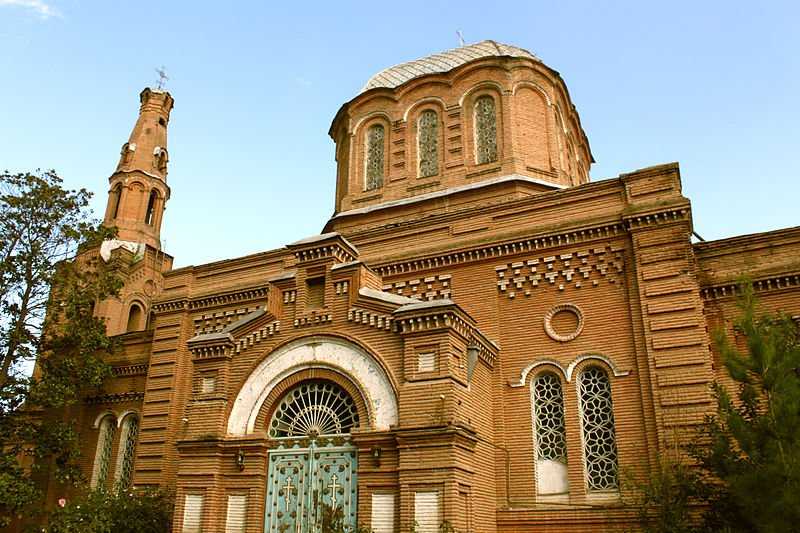
    St Sofia Church, Harbin, Heilongjiang Province
    St Sofia Church, Harbin, Heilongjiang Province
    Lin Yang, (GFDL)
  • Places of Interest in China

    To prepare you for your budget travel across China, I will describe the country city by city, and in each city, sight by sight. Each sight description is accompanied with travel information specially for the benefit of budget travelers, such as what public transport to take to reach it.

      Biggest Tourist Attractions of China

    1. Forbidden City
    2. Giant Buddha of Leshan
    3. Great Wall of China
    4. Guilin
    5. Jiuzhaigou
    6. Potala Palace
    7. Temple of Heaven
    8. Terracotta Warriors of Xian (Mausoleum of the First Qin Emperor)
    9. Three Gorges Dam
    10. Sights in Major Cities of China

      Sights in Beijing

    11. Map of Beijing

    12. Ancient Observatory
    13. Bei Hai Park
    14. Beijing Botanical Garden
    15. Beijing Museum of Natural History
    16. Beijing Zoo
    17. Chinese Military History Museum
    18. Chuandixia
    19. Confucius Temple
    20. Cow Street Mosque
    21. Dazhalan & Liulichang
    22. Di Tan Park
    23. Dong Yue Miao
    24. Drum & Bell Towers
    25. Eastern Qing Tombs
    26. Fayuan Temple
    27. Forbidden City
    28. Great Bell Temple
    29. Great Wall of China
    30. Hutong
    31. Jing Shan Park
    32. Lama Temple
    33. Mansion of Prince Gong
    34. Marco Polo Bridge
    35. Miaoying Temple
    36. Ming Tombs of Chang Ling
    37. National Art Museum of China
    38. National Olympic Stadium
    39. Peking Man Site at Zhoukoudian
    40. Qian Men
    41. South Cathedral
    42. Southeast Corner Watchtower
    43. St Joseph's Church
    44. Summer Palace
    45. Tanzhe Temple
    46. Temple of Heaven
    47. Tiananmen Square
    48. Underground City
    49. Wangfujing Street
    50. White Clouds Temple
    51. Xiang Shan Park
    52. Yuanming Yuan
    53. Sights in Shanghai

    54. French Concession
    55. Fuxing Park
    56. Hongkong and Shanghai Bank Building
    57. Hongkou Park
    58. Huangpu River
    59. Jade Buddha Temple
    60. Jin Mao Tower
    61. Jing'an Temple
    62. Longhua Cemetery of Martyrs
    63. Nanjing Road
    64. Old Bank of China Building
    65. Oriental Pearl Tower
    66. Peace Hotel
    67. People's Park & Square
    68. Pudong
    69. Shanghai Art Museum
    70. Shanghai Exhibition Centre
    71. Shanghai Grand Theatre
    72. Shanghai Museum
    73. Shanghai Urban Planning Exhibition Hall
    74. Shanghai World Financial Center
    75. She Shan
    76. Site of the First National Congress of the Chinese Communist Party
    77. Song Jiang
    78. Song Qingling's Former Residence
    79. The Bund
    80. Xujiahui Catholic Cathedral
    81. Yuyuan Garden
    82. Sights in Chengdu

    83. Baoguang Si
    84. Dufu's Thatched Cottage
    85. Giant Panda Breeding Center
    86. Li Bai Memorial Hall
    87. Qingyang Gong
    88. Renmin Park
    89. Sanxingdui Museum
    90. Sichuan University Museum
    91. Wang Jiang Lou
    92. Wenshu Yuan
    93. Wu Hou Memorial Temple
    94. Yong Ling Museum
    95. Cities of the Special Administrative Regions (SARs)

    96. Hong Kong
    97. Macau
    98. Cities and Sights in Hebei, Tianjin and Shanxi Provinces

    99. Beidaihe
    100. Chengde
    101. Datong
    102. Hanging Temple
    103. Pingyao
    104. Shanhaiguan
    105. Shijiazhuang
    106. Shuanglin Si
    107. Taiyuan
    108. Tianjin
    109. Wutai Shan
    110. Yungang Caves
    111. Cities and Sights in Shandong and Henan Provinces

    112. Anyang
    113. Gongyi
    114. Ji'nan
    115. Kaifeng
    116. Longmen Caves
    117. Luoyang
    118. Penglai
    119. Qingdao
    120. Qufu
    121. Song Shan & Shaolin Temple
    122. Tai Shan
    123. Weihai
    124. Yantai
    125. Yellow River (Huanghe)
    126. Zhengzhou
    127. Cities and Sights in Shaanxi Province

    128. Hua Shan
    129. Xi'an
    130. Yan'an
    131. Cities and Sights in Jiangsu and Anhui Provinces

    132. Bozhou
    133. Changzhou
    134. Hefei
    135. Huang Shan
    136. Jiuhua Shan
    137. Nanjiang
    138. Shexian
    139. Suzhou
    140. Tai Hu
    141. Tongli
    142. Tunxi
    143. Wuhu
    144. Wuxi
    145. Yangzhou
    146. Yixian
    147. Yixing Country
    148. Zhenjiang
    149. Zhouzhuang
    150. Cities and Sights in Zhejiang and Jiangxi Provinces

    151. Hangzhou
    152. Jiangdezhen
    153. Jinggang Shan
    154. Jiujiang
    155. Lu Shan
    156. Nanchang
    157. Ningbo
    158. Putuo Shan
    159. Shaoxing
    160. Tiantai Shan
    161. Wenzhou
    162. Yandang Shan
    163. Cities and Sights in Hunan and Hubei Provinces

    164. Changsha
    165. Furongzhen
    166. Heng Shan
    167. Jingzhou
    168. Shao Shan
    169. Shennongjia
    170. Three Gorges Dam
    171. Wudang Shan
    172. Wuhan
    173. Wulingyuan
    174. Yichang
    175. Yueyang
    176. Cities and Sights in Fujian Province

    177. Chongwu
    178. Fuzhou
    179. Meizhou Island
    180. Quanzhou
    181. Xiamen
    182. Wuyi Shan
    183. Yongding
    184. Cities and Sights in Guangdong and Hainan Provinces

    185. Chaozhou
    186. Cuiheng
    187. Feilai & Feizia
    188. Guangzhou
    189. Hainan Island
    190. Shantou
    191. Shaoguan
    192. Shenzhen
    193. Zhaoqing
    194. Cities and Sights in Sichuan and Chongqing

    195. Baoding Shan
    196. Chengdu
    197. Chongqing
    198. Dazu
    199. Dujiangyan
    200. Emei Shan
    201. Huanglong
    202. Huanglong Xi
    203. Jiuzhaigou
    204. Kangding
    205. Leshan Giant Buddha
    206. Luding
    207. Moxi Xiang & Hailuo Gou Glacier
    208. Qingcheng Shan
    209. Songpan
    210. Wolong Nature Preserve
    211. Yangtze River
    212. Zigong
    213. Cities and Sights in Yunnan Province

    214. Baoshan
    215. Dali
    216. Er Hai
    217. Jinghong
    218. Kunming
    219. Lijiang
    220. Ruili
    221. Stone Forest
    222. Tiger Leaping Gorge
    223. Tengchong
    224. Xishuangbanna
    225. Zhongdian
    226. Cities and Sights in Guizhou and Guangxi Provinces

    227. Anshun
    228. Beihai
    229. Chishui
    230. Detian Falls
    231. Guilin
    232. Guiping
    233. Guiyang
    234. Huangguoshu Falls
    235. Li River
    236. Longgong Dong
    237. Longsheng
    238. Miao Villages
    239. Nanning
    240. Pingxiang
    241. Sanjiang
    242. Weining & Cao Hai
    243. Wuzhou
    244. Xingyi & Maling Canyon
    245. Yangshuo
    246. Zhaoxing
    247. Zhijin Dong
    248. Zunyi
    249. Zuo Jiang
    250. Cities and Sights in Liaoning, Jilin and Heilongjiang Provinces

    251. Bingyu Valley
    252. Changbai Shan
    253. Changchun
    254. Dalian
    255. Dandong
    256. Harbin
    257. Jilin
    258. Jingpo Hu
    259. Jinzhou
    260. Shenyang
    261. Wu Da Lian Chi & the River Border
    262. Zhalong Nature Reserve
    263. Cities and Sights in Inner Mongolia and the Silk Roads

    264. 108 Dagobas
    265. Baotou
    266. Dongsheng
    267. Guyuan
    268. Haila'er
    269. Helan Shan
    270. Hohhot
    271. Manzhouli
    272. Xanadu
    273. Xilinhot
    274. Yinchuan
    275. Zhongwei
    276. Cities and Sights in Gansu and Qinghai Province

    277. Bingling Si
    278. Dunhuang
    279. Golmud
    280. Jiayuguan
    281. Labrang Monastery
    282. Langmusi
    283. Lanzhou
    284. Linxia
    285. Luomen
    286. Mengda Tian Chi
    287. Mogao Caves
    288. Maiji Shan
    289. Pingliang
    290. Qinghai Hu
    291. Ta'er Si
    292. Tongren
    293. Wuwei
    294. Xiahe
    295. Xining
    296. Zhangye
    297. Cities and Sights in Xinjiang Province

    298. Aba Khoja Mausoleum
    299. Altai
    300. Karakoram Highway
    301. Karghilik
    302. Kashgar
    303. Khotan
    304. Kuqa
    305. Sayram Lake
    306. Tian Chi
    307. Turpan
    308. Ürümqi
    309. Yarkand
    310. Yengisar
    311. Yining
    312. Cities and Sights in Tibet

    313. Everest Base Camp
    314. Gyantse
    315. Lhasa
    316. Namtso Lake
    317. Nepalese Border
    318. Potala Palace
    319. Shigatse
    320. Sakya Monastery
    321. Tashilunpo Monastery
    322. Tsurphu Monastery


    Acknowledgements and other Photo Credits:
    Forbidden City, Beijing: Author: Allen Timothy Chang, (GFDL); Skyline of Putong: Author: Dmitry Fironov , (cc-by-sa-1.0);

    Hotel Room Price Checker

    Before booking a hotel room, make sure you are getting the lowest price for it. Different hotel booking websites offers the same room at different prices. If you stick with one site all the time, you could be paying more for the same room. Now why pay more?

    The form below is a Research Engine. It doesn't take bookings. Instead it lets you find the hotel booking website that offers the room you want at the lowest price. You can see and compare what different sites are offering, and then click to choose the one with the best price. Do this, and you're guaranteed to save a whole lot of money on your room reservations!


    AsiaExplorers Flight Checker

    If you're flying somewhere, use our Flight Checker to compare the rates from different airlines. To use it, enter where you will be flying from, where you will be flying to, your departure date and return date. Select the number of passengers, and then click search.

    Our engine will return you a list of possible flights that you can take. You can compare the fare of different airlines for your trip. Click on your selected airline, and we transfer you to the airline website.


    Return to AsiaExplorers homepage

    My message introducing God to all the world: THE GOSPEL ACCORDING TO TIM


    Bookmark and Share   Follow EarthDocumentary on Twitter


    Copyright © 2003-2010 AsiaExplorers.  All rights reserved.


    AsiaExplorers is researched and written by Timothy Tye. Reasonable care is taken to check and verify the accuracy of the content. AsiaExplorers disclaims responsibility for any inconvenience, mishap, injury or death resulting from following the tips and advice provided directly or indirectly by this website. All pages may be printed out for your own personal, non-commercial use. You may use the information on this website on your blog or website so long as you place a dofollow link back to the page in AsiaExplorers where it appears. Photographs not credited to a third party belong to Timothy Tye and may not be reused in any form unless you are first given permission. Write in to inquire if interested. Third party photographs are governed by their respective licenses. To contact Tim, write to the following email address: