Agra Travel Guide


Preparing to visit Agra? Let us help!


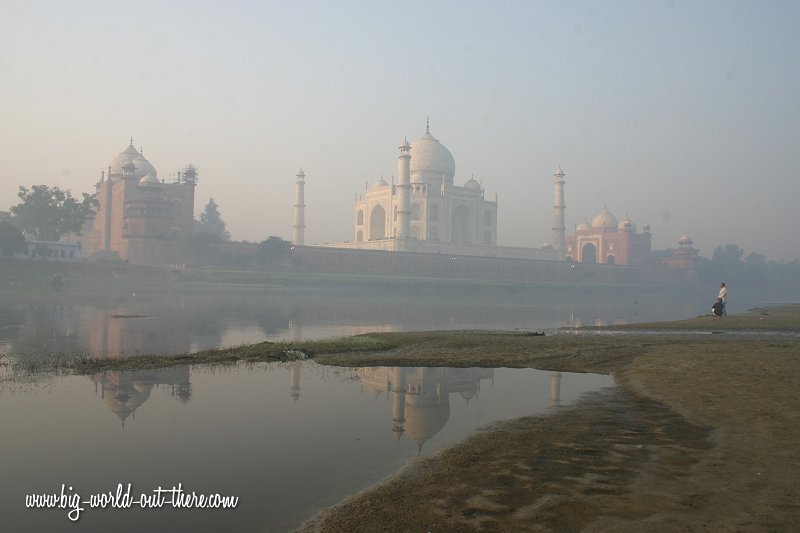
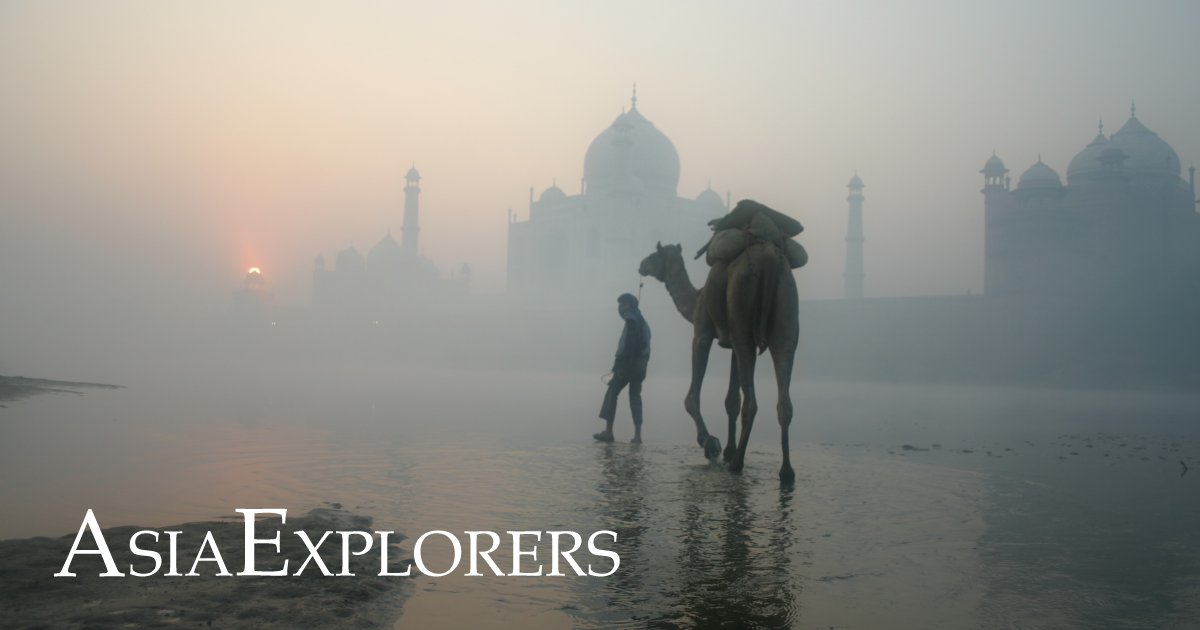
Agra Travel Guide introduces visitors to the home city of the Taj Mahal. The city of Agra is often overshadowed by the presence of India's most famous monument, the exquisite Taj Mahal. An imperial Mughal capital during the 16th and 17th centuries, Agra was where the emperors Akbar, Jahangir and Shah Jahan governed their vast empire. I visited Agra with a group of AsiaExplorers members on a tour which I organised for Northern India.

Located on a graceful curve of the Yamuna River, Agra is home to many forts, mousoleums and gardens, signs of the emperors' patronage. Agra is also located along the Grand Trunk Road that links eastern India with the west, making it a strategic trading station.
Agra is located today in the state of Uttar Pradesh, 204km southeast of Delhi. I arrived there from Jaipur, a good 5-hour journey punctuated by a stopover at the Fatehpur Sikri. I find it to be a rather dusty place with little to show except that it is home to two world heritage sites, Agra Fort and the incomparable Taj Mahal. Both are associated with the same person who built them, Shah Jahan, the Mughal Experor who presided over a chapter of India history characterized by a frenzied building activity.


Roti vendor in dust-laden Agra.


History of Agra

The city of Agra has appeared in the ancient Mahabharata epic, under the name Sakshiwana. The first time it appeared as "Agra" was when it was mentioned by Ptolemy. Modern Agra was founded in 1504 by Sikandar Lodi, the ruler of the Delhi Sultanate, of the Lodi Dynasty. After Sikandar Lodi died, his son Ibrahim Lodi ruled from Agra until he was defeated by Babur in the First Battle of Panipat in 1526.

Under Babur of the Mughal Dynasty, Agra was named Akbarabad. It was the capital of the Mughal Empire under successive Mughal emperors including Akbar, Jahangir and Shah Jahan. Shah Jahan then shifted the capital to Shahjahanabad, which is now the old section of Delhi.

Emperor Akbar built Agra Fort, also known as the Great Red Fort. He also built the city of Fatehpur Sikri, on the outskirt of Agra. Fatehpur Sikri functioned for a while as Akhar's capital.

Akbar's son Emperor Jahangir created pleasure gardens within Agra Fort. However, it was Shah Jahan who built the most famous monument in Agra, the Taj Mahal.

After Shah Jahan's reign, when the capital was shifted to Shahjahanabad, his son Aurangzeb shifted it back to Akbarabad. He also kept his father Shah Jahan under house arrest in Agra Fort. Eventually Aurangzeb shifted the capital again, to Aurangabad in Maharashtra state, in 1653. After the fall of the Mughal Empire, Akbarabad became known once again as Agra, and was controlled by the Marathas and Jats. It was taken over by the British in 1803.

Getting into Agra

Agra is about 200km from Delhi. As there are no commercial flights to Agra airport, most visitors arrive by coach or train. By Train
Agra Cantt railway station near Agra Fort is the station to disembark for trains from Delhi. Taxis are available to most hotels in the city, for Rs. 120.

By Bus
A number of buses connect Delhi with Agra. The journey takes 4-5 hours.

Getting Around Agra

There are plenty of auto rickshaws and cycle rickshaws. A journey anywhere should cost around Rs. 50. Negotiate and agree on the fare before boarding.


Expedia.com


Copyright © 2003-2008 AsiaExplorers.  All rights reserved.

About the Author: AsiaExplorers is researched and written by Timothy Tye. We take reasonable care to check and verify the accuracy of the content. However, we disclaim any responsibility for any inconvenience, mishap, injury or death resulting from following the advice provided directly or indirectly by AsiaExplorers and the comments on its pages. All the photographs in AsiaExplorers are available for publication. Please contact AsiaExplorers at the following email address for your enquiries: