Along the banks of the Ganges River
also called Ganga and Vishnupati; in Varanasi, Uttar Pradesh, India
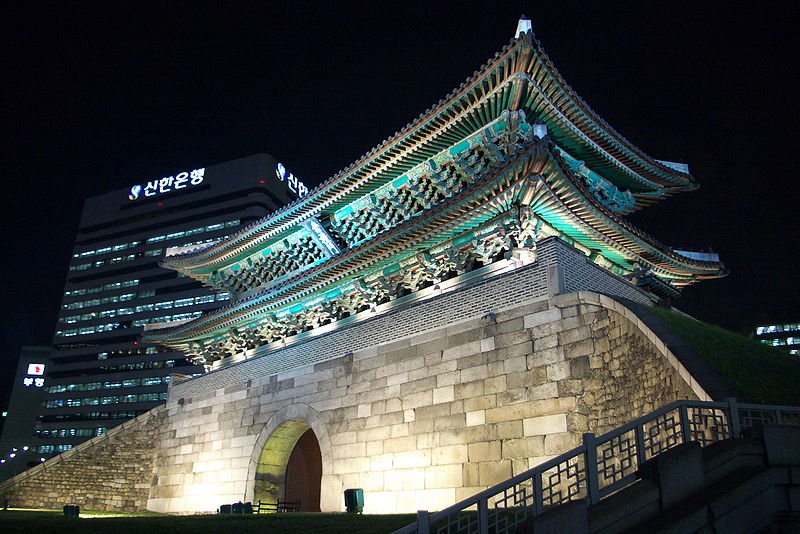
This sight is located in Varanasi, India. For travel information about Varanasi, read the Varanasi Travel Guide. To prepare for a trip to India, read also the India Travel Guide. Looking for budget accommodation there? Use AsiaExplorers Budget Accommodation Guide, the no-frills website to cover your budget accommodation needs.
The Ganges River, also written Ganga, is one of the holiest rivers in Hinduism. I had the opportunity of it at Varanasi, the holiest city in Hinduism, with three other members of AsiaExplorers. We spent a few days in Varanasi, and this provided me the chance to view the Ganges upclose. Although I will never be able to fully comprehend the depth of devotion the Hindus have for the Ganges, being able to see the Ganges throughout the day, from dawn till night was truly an unforgettable experience. I want to document the Ganges in Varanasi and share it with you, and I hope that you too will be able to experience it has I had.
Boatmen taking tourists on a tour of the Ganges River in the morning.
The Ganges is worshipped as a goddess and is referred to as "Mother Ganga". In fact Hindus believed that it is the goddess Ganga descended from heaven. The Ganges is 2510 km long and flows through northern India and empties into the delta in Bangladesh. Its most important tributary is the river Yamuna, which flows through Delhi and Agra before joining the Ganges at the town of Prayag, for which the Prayag Ghat in Varanasi is named after.
The city of Varanasi is located on the western bank of the Ganges where it makes a gentle curve. This auspicious location provides for a great photo opportunity, especially in the morning, when the sun was rising. However, it would be necessary to take a boat out into the Ganges, so that you can photograph the city as it awakens.
Hindus believe that by bathing in the Ganges on specific occasions will cleanse away their sins and help them attain salvation. Many Hindus also believe that the water from the Ganges can cleanse away past sins and cure all ills. Similarly, Hindus believe that to be cremated by the bank of the Ganges at Varanasi will cleanse away past sins. Some bring the ash of their family relatives to immerse in the Ganges, as doing will helped the deceased attain salvation.
The Ganges is mentioned in the Rig-Ved, the earliest and holiest Hindu scripture. Earlier scriptures place the Indus and Sarasvati rivers as the major rivers, but in later scriptures, the Ganges gained prominence as the most important of the three.
Pollution on the Ganges
Being the most sacred river in India does not prevent the Ganges from being also the most polluted. The amount of human pollutants in the Ganges is scary to me, and scarier still watching how the river is treated. Yet many goes through their daily life using the water of the Ganges to bathe and to do their laundry. It is curious to me that it is acceptable to do your laundry on a sacred river, but that's how it is.
There are several ghats in Varanasi where cremation is conducted. The biggest cremation ghat is Manikarnika. Often the cremation is not complete and yet the partially burnt corpses are sent into the Varanasi. It is therefore not surprising to find unburnt or half-burnt corpses floating on the Ganges. And then, there are people who work as scavengers to retrieve valuables from the mud of the Ganges. These could be those of the deceased that were not consumed by the fire of the cremation.
Industrial pollution further contributes to the toxidity of the Ganges. Large amounts of chromium and other chemicals are dumped into the river, especially near the city of Kanpur, a centre for the leather industry. And if that is not enough, a billion litres of human waste, mostly in the form of untreated raw sewage, is discharged into the Ganges every day.
Walking the Ganges
Walking along the banks of the Ganges, you do not think of such things (if you do, you would be walking elsewhere). Indeed, beside the claustrophobic alleys of Varanasi, many of which stinks of rotten fruits and urine, the Ganges was a breathe of fresh air. It is here that the people of Varanasi comes out to play, to relax, to have a siesta. Indeed life revolves around the Ganges.
From where I stayed, near the Dashshwamedh Ghat, I walked northwards until almost reaching the Manikarnika Ghat. On a different excursion, I walked southwards until at least Vijaya Nagaram Ghat. There were too many ghats along the way for me to remember all their names and I will try to document the more prominent ones to share with you.
Thank you for viewing these shots.
The Ganges Photo Album
Panoramic view of the Ganges.
Hindu women enjoying a bath on the Ganges.
Bathers on the ghats of the Ganges.
The Ganges on a hot afternoon.
Boat builders along the Ganges.
Enjoying a morning cup of tea by the Ganges.
Hindu priest presiding over the morning puja at Dashaswamedh Ghat on the Ganges.
Tourists enjoying a morning boat ride on the Ganges.
A floral offering floats downriver.
The banks of the Ganges is a continuous hive of activity.
Baskets on poles frame a boat ferrying passengers across the Ganges.
A sea of humanity leading towards the Ganges.
Open cremation in progress at Marnikanika Ghat.
Womenfolk bathing and laundrying on the Ganges.
Evening puja draws participation of Hindu priests of different ethnic backgrounds.
Devotees of the evening puja gathered at Dashaswamedh Ghat.
A herd of buffaloes congregate by the Ganges.
[an error occurred while processing this directive]
About the Author: AsiaExplorers is researched and written by Timothy Tye. We take reasonable care to check and verify the accuracy of the content. However, we disclaim any responsibility for any inconvenience, mishap, injury or death resulting from following the advice provided directly or indirectly by AsiaExplorers and the comments on its pages. All the photographs in AsiaExplorers are available for publication. Please contact AsiaExplorers at the following email address for your enquiries: