Goa (गोंय) Travel Guide, India
 Vagator Beach, Goa Author: Dominik Hundhammer (Creative Commons Attribution ShareAlike 3.0)
Goa is the smallest state in India. It is also the fourth smallest in terms of population. The state of Goa covers an area of just 3,702 square kilometers, and has a population of 1.4 million people. The capital is called Panaji, while the biggest city is known as Vasco da Gama.
Goa is famous for its beaches, Portuguese heritage and places of worship, both Catholic and Hindu. Less well known, but no less important, is its position as a biodiversity hotspot, a place rich in plant and wildlife.
 Lighthouse of Fort Aguada, Goa Author: Drmarathe (Creative Commons Attribution 3.0 Unported)
 Portuguese villa in Chapora, Goa Author: Dominik Hundhammer (Creative Commons Attribution 3.0 Unported)
Today Goa is a major tourist destination, drawing visitors from around India as well as international travellers. It was once a hippy haven which now evolves into a backpacker colony. The state also receives regular chartered flights for vacationing Germans.
Today Christians, mostly Roman Catholics, make up 24% of Goa's population. There is also a small number of Muslims in the state. Apart from a 2005 flare-up between the Muslims and the Hindus, there has been no communal clashes.
The people of Goa speak a language called Konkani. Marathi is another widely spoken language here. English is pravalent among those working in the service industry, while many also understand Hindi.
 Sé Cathedral, Old Goa Author: Ondŕej Žváček (Creative Commons Attribution ShareAlike 3.0)
 Nave of the Basilica de Bom Jesus, Goa Author: Aruna Radhakrishnan (Creative Commons Attribution 2.0 Generic)
 Chapora Fort, Goa Author: Goaholidayhomes (public domain)
 Pigments on sale at a Goa market Author: Dan Brady (Creative Commons Attribution 2.0 Generic)
History of Goa
The history of Goa goes back to the third century BC, when it was part of the Mauryan Empire ruled by the Buddhist emperor Ashoka. By the 14th century, Goa came under various rules, first by the Delhi Sultanate in 1312, then by Harihara I of the Vijayanagara Empire in 1370, and then by the Bahmani sultans of Gulbarga, until 1469, when the Adil Shahi dynasty of Bijapur took over, establishing their auxiliary capital in what is now Old Goa (Velha Goa).
Alfonso Albuquerque defeated Yusuf Adil Shah, the ruler of Bijapur, to take over Goa in 1510. He celebrated his victory by building a number of churches and other monuments that still stand till today. The capital was at Old Goa until 1843, when it was relocated to Panaji, which still serves as the capital today.
When India gained independence from Britain in 1947, Portuguese refused to relinquish its sovereignty over Goa and its Indian enclaves. In December 1961, the Indian army forcibly annexed Goa. Portugal did not recognise the incorporation of Goa into India until 1974. On 30 May 1987, Goa became the 25th state of India.
 Chapora River, Goa Author: Dominik Hundhammer (Creative Commons Attribution ShareAlike 3.0)
Budget Travel to Goa
By Plane
Most international travellers arrive in Goa via the international airport at Mumbai. From there, you can take a flight, or public bus or train to Goa. Goa does have its own airport, with limited connections, mostly domestic flights from Mumbai, Bangalore, Delhi and other major cities in India.
A convenient and comfortable - not to mention budget - way to reach Goa is by train. Trains by Indian Railway can be booked online, and you should do that, as they are often full up long before the departure date.
Budget Travel within Goa
Goa is not a destination for people who cannot rough it out. The best way to explore it is by renting a motorbike. Expect to pay around Rs 450 for a scooter, plus an additional Rs 100 for fuel, per day. If you have plenty of time in your hand, you can consider taking the bus, which is inexpensive, but may require a fair bit of patience. Alternatively, if in a small group, you can consider renting a car.
Photos of Goa
 Church of Our Lady of the Immaculate Conception in Panaji Author: EquusAustralus (Creative Commons Attribution ShareAlike 3.0)
 Church of St Cajetan, Goa Author: Sebastianjude (Creative Commons Attribution ShareAlike 3.0)
 Shri Mangeshi Temple, Goa Author: Aruna Radhakrishnan (Creative Commons Attribution 2.0 Generic)
 Rosario Church, Goa Author: Bryce Edwards (Creative Commons Attribution 2.0 Generic)
|
Accommodation in Goa
- Look for Hotels in India
Help in finding and comparing hotel room rates from different booking sites.
- Look for Hostels in India
Help in finding hostels throughout India with online booking.
Places of Interest in Goa
Sights in Panaji
Panaji, the capital of Goa, has a number of tourist attractions.
- Secretariat Building
Riverfront building housing the State Legislative Assembly, and one of the oldest buildings in Panaji.
- Church of Our Lady of the Immaculate Conception
The most important landmark in Panaji, overlooking Church Square.
- Menezes Braganza Institute
19th century Portuguese-style building housing institute of arts and sciences.
- Goa State Museum
Museum holding a rather modest collection of pre-colonial artifacts.
- Fundação de Oriente
Foundation that promotes artistic, cultural and scientific works, housed in a former private residence.
- St Sebastian's Chapel
19th century chapel with life-size crucifix.
- São Tomé
Tiny church once the focal-point of the busy square.
- Miramar Beach
Panaji's nearest beach.
Sights in Goa
- Reis Magos
Town with a fort built in 1551 by Don Alfonso de Noronha.
- Fort Aguada
Fort built in 1612 as a defence against the Marathas and the Dutch.
- Calangute
Home to Goa's most popular beach, and the heart of the hippie scene in the 1960's and 1970's.
- Anjuna
Presently the main backpacker colony of Goa, surpassing Calangute.
- Mapusa
The biggest town in northern Goa.
- Vagator
Beautiful bay sheltered by rocky outcrops.
- Pernem
The last conquest site of the Portuguese between 1764 and 1788, now administrative capital of Goa's northern sub-district.
- Arambol
The only fishing village in northern Goa with limited facilities for visitors.
- Terekhol Fort
Fort by the Bhonsles, a Maratha clan, captured by the Portuguese in the early 18th century.
- Pilar
Town in North Goa, whose attractions include the Pilar Seminary, Church of Our Lady of Pilar and the New Seminary.
- Ponda
Town in South Goa. Its attractions include the Safa Shahouri Mosque, Shantadurga Temple, Shri Ramnath Temple, Shri Nagueshi Temple, Shri Lakshmi Narasimha Temple, Shri Mahalsa Temple, Shri Mangesh Temple and the Hindu Rock-Cut Caves.
- Tambdi Surla
Town in South Goa, with the oldest existing Hindu temple in Goa, the Bhagwan Mahaveer Sanctuary, the Dudhsagar Waterfalls and Bondla Sanctuary.
- Rachol
Small hamlet in South Goa whose attractions include the Church of Nossa Senhora das Neves, Rachol Seminary and the Church of St Ignatius Loyola.
- Margao
Second most important city after Panaji, attractions include the town square, Praça Jorge Barreto, its Covered Market, Abbé de Faria Street, Largo de Igreja, Church of the Holy Spirit, the mansion Sat Burnzam Gor, and Monte Hill.
- Braganza House
Goa's grandest colonial mansion, built in the 17th century and is still occupied by the Braganza family, 20 km east of Margao.
- Colva
Town near Margao, with Church of Our Lady of Mercy, Bogmalo Beach, Benaulim fishing village, and Varca Beach.
- Cavelossim
Town in South Goa favored by Indian celebrities, with the Church of the Holy Cross, Betil fishing village and promontory of Cabo da Rama.
- Palolem
Town in South Goa famous for its spectacular sunsets, attractions include Galgibaga beach, and Cotigao Wildlife Sanctuary.
Sights in Old Goa
Old Goa is a UNESCO World Heritage Site. It has numerous heritage sites.
- Sé Cathedral
The largest cathedral in Asia.
- Basilica de Bom Jesus
One of the most reverred places of worship by the Catholics in Goa and around the world, for it houses the relics of St Francis Xavier.
- Our Lady of the Rosary
Church on top of Holy Hill, built by Alfonso Albuquerque in 1526 to mark the defeat of Yusuf Adil Shah in 1510.
- Chapel of St Catherine
Built to celebrate Alfonso Albuquerque's victory in 1510, was formerly Goa's only cathedral until Sé was built.
- Viceroy's Arch
Laterite archway built by Francisco da Gama, the Viceroy of Goa (1597-1600).
- Gateway of Yusuf Adil Shah's Palace
All that survives of Yusuf Adil Shah's Palace, used as the viceroy's residence between 1554 and 1695.
- Church of St Cajetan
Church built by Italian friars in 1651.
- Church of St Francis of Assisi
Church built by Franciscan friars in 1621, one of the most important churches of Old Goa.
- Archaeological Museum of Old Goa
Museum housed in the former Convent of St Francis of Assisi, adjoining the church.
- Church and Monastery of St Augustine
Once the largest church in India, dominated by its 46-meter (161-foot) belfry.
- Church and Convent of St John of God
Convent of the Older of the Hospitallers of St John of God, first built in 1685, rebuilt in 1953.
- Royal Chapel of St Anthony
Chapel to the national saint of Portugal, also regarded as the captain of the Portuguese army.
- Pillory
Basalt pillar on raised platform where criminals and heretics were strung.
- College of St Paul
Largest Jesuit school in Asia founded in 1541.
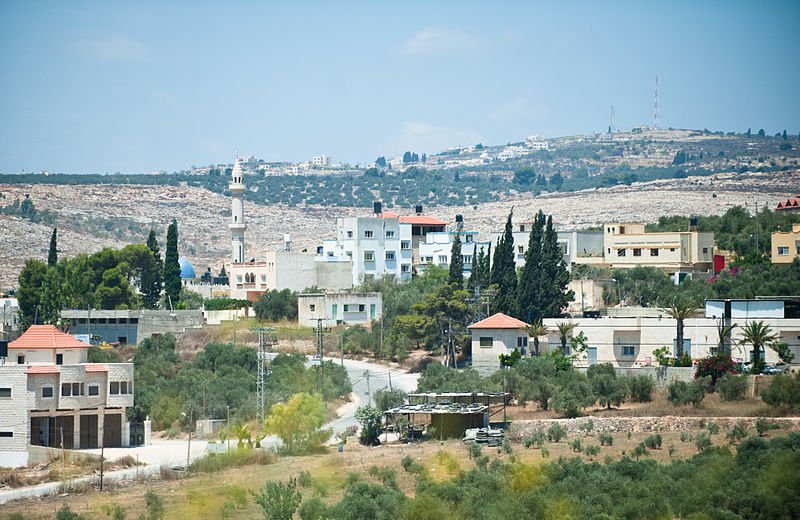
- Churchn of Our Lady of the Mount
Hilltop church built in 1510 by Alfonso Albuquerque after defeating Yusuf Adil Shah.
Beaches in Goa
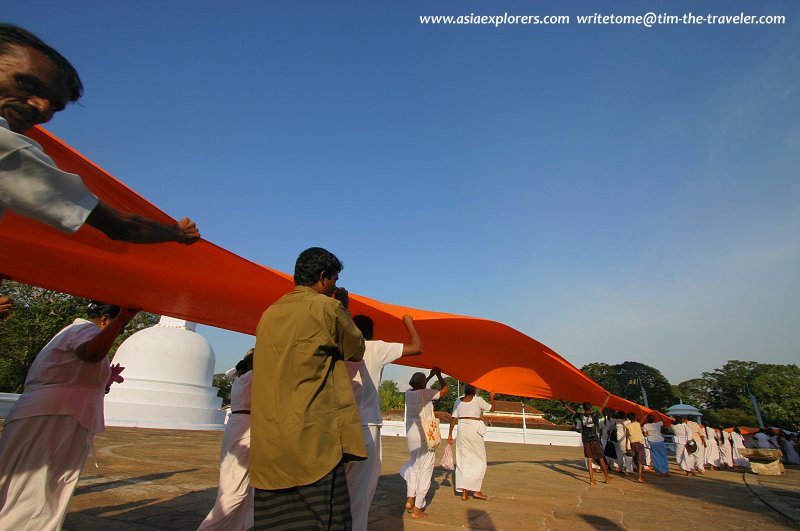
- Anjuna Beach
The heart of the hippy haven in the 1960's and 70's, now a laid-back area with night bazaars at nearby Arpora.
- Arambol Beach
Quiet beach in North Goa with limited accommodation and restaurants, but good for swimming.
- Palolem Beach
Picturesque beach at the very south of Goa. It has good eating places, but gets rather crowded at times.
- Patnem Beach
Another quiet beach, located in Canacona taluka (sub-district).
- Vagator Beach
Beach located in Bardez, next to Anjuna.
- Cola Beach
Lovely beach within Goa's only Catholic-majority area of Salcete.
- Calangute Beach
One of the best beaches in Goa, unfortunately now gets quite crowded, with traffic jams in the streets.
Festivals in Goa
Come to Goa at the right time, and you will have the opportunity to observe its many colorful festivals.
- January: Jatra
Colorful festival honoring a local deity, celebrated at the Shantadurga Temple.
- February: Carnival
Goa's grandest festival that marks the beginning of Lent.
- March: Shigmotsav
Hindu spring festival
- April: All Saints Procession
Statues of 26 Catholic saints are paraded from St Andrew's Church.
- 3 December: Feast of St Francis Xavier
Feast day of the patron saint of Goa.
|
|