This sight is located in Delhi, India. For travel information about Delhi, read the Delhi Travel Guide. To prepare for a trip to India, read also the India Travel Guide. Looking for budget accommodation? Use AsiaExplorers Budget Accommodation Guide, the no-frills website to cover your budget accommodation needs.
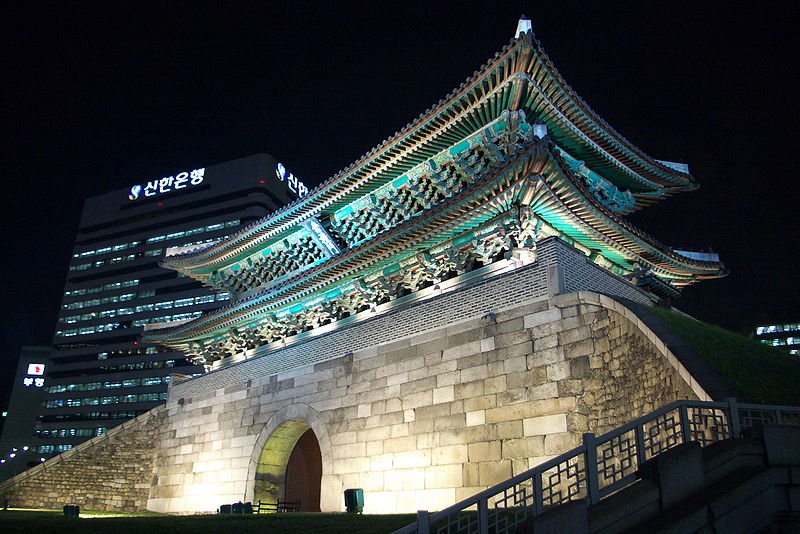
Abdur Rahim Khan, better known as Khan-i-Khanan, whose name is also written as Abd ar-Rahim Khan-i-Khanan and Khankhanan, was the son of Bairam Khan, the protector of Akbar when he was small. He also served Akbar's son Emperor Jahangir for many years. A noted architectural patron, he executed several important civic institutions in Burhanpur. He died in 1626. His tomb is just outside of the Nizam ud Din Auliya Shrine complex. Its form is derived from Humayun's Tomb, employing a compact version of the 'cube' type tomb much used in Delhi.
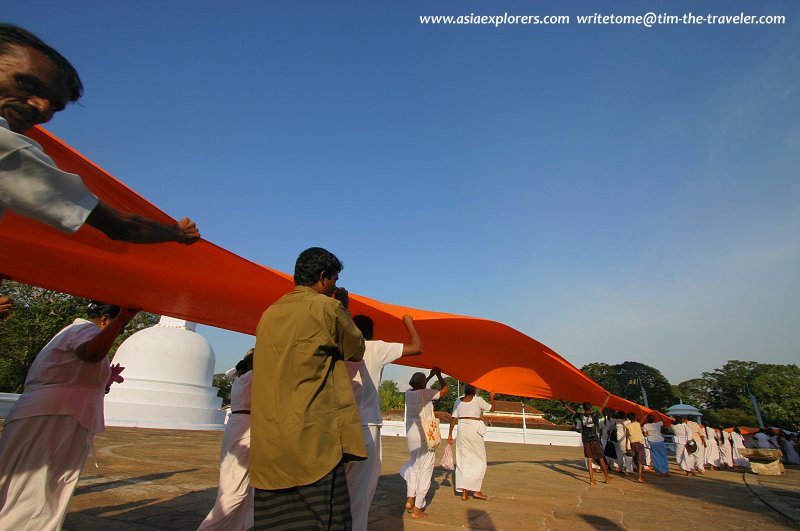
The plinth upon which it rests serves as a garden, with water channels and pools, replacing the spacious tomb garden as seen in Humayun's Tomb.
Abd ar-Rahim Khan-i-Khanan's Tomb.
The layout of Khan-i-Khanan's tomb is considered part of the experimentation that led to the development of the Taj Mahal scheme. The mausoleum building is faced in stone, and is topped with a marble dome. Some of the stone has been removed, and the Tomb is at present in poor condition.
About the Author: AsiaExplorers is researched and written by Timothy Tye. We take reasonable care to check and verify the accuracy of the content. However, we disclaim any responsibility for any inconvenience, mishap, injury or death resulting from following the advice provided directly or indirectly by AsiaExplorers and the comments on its pages. All the photographs in AsiaExplorers are available for publication. Please contact AsiaExplorers at the following email address for your enquiries: