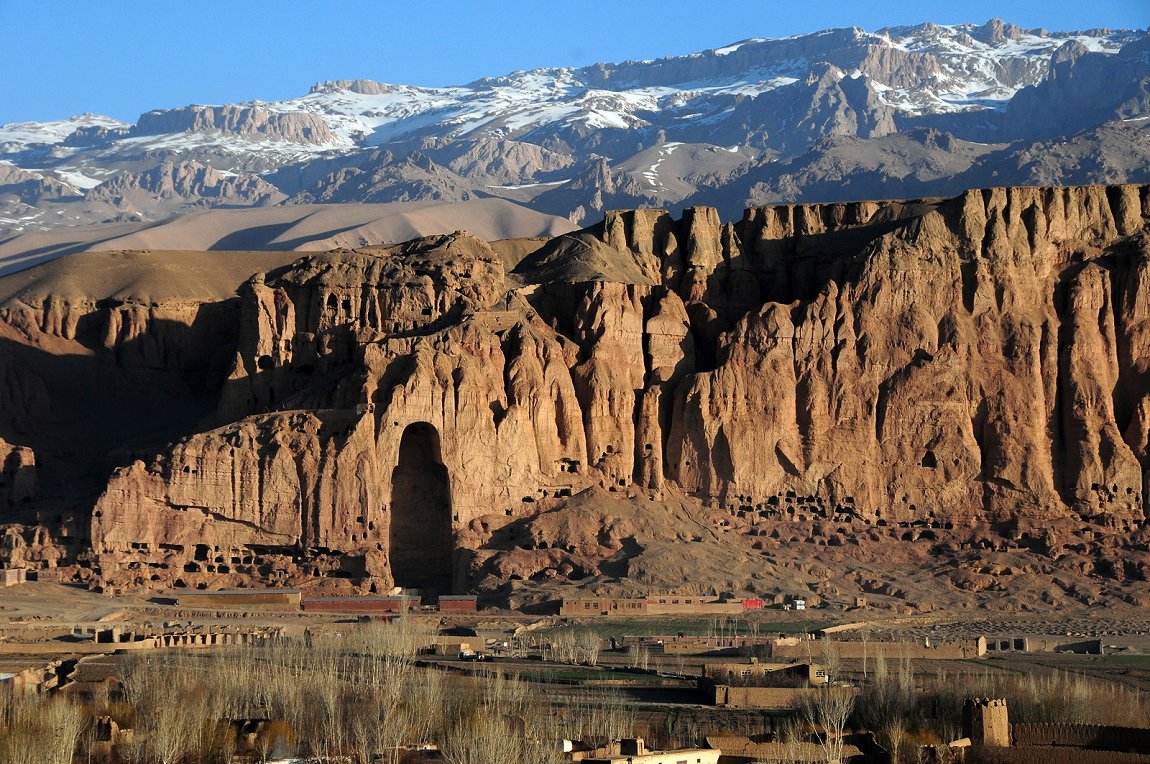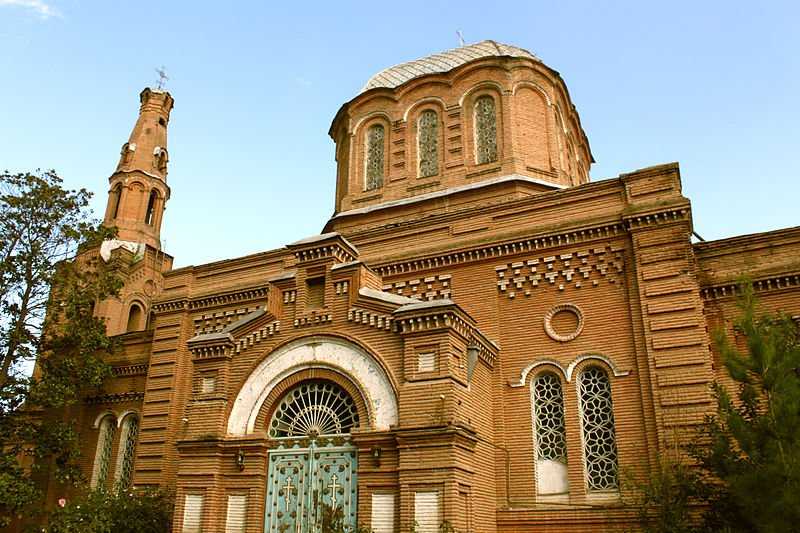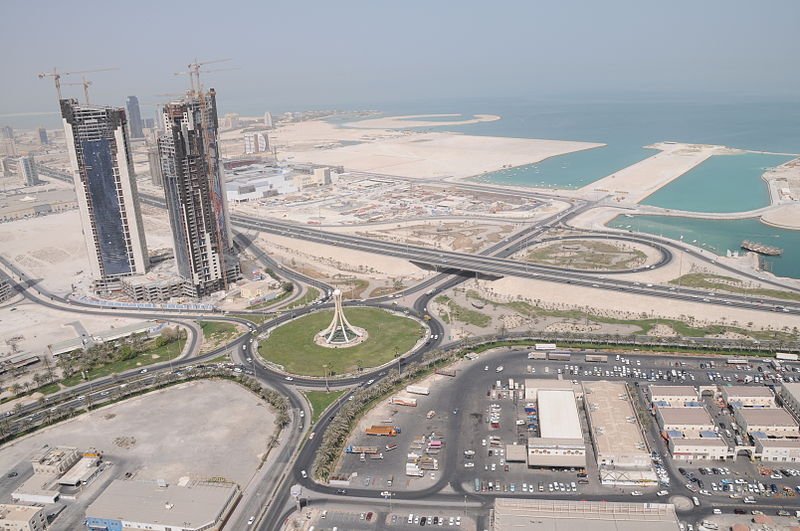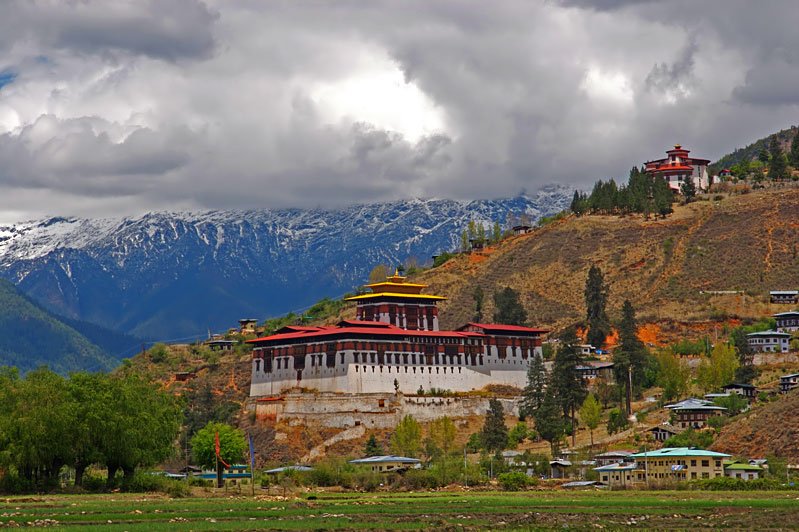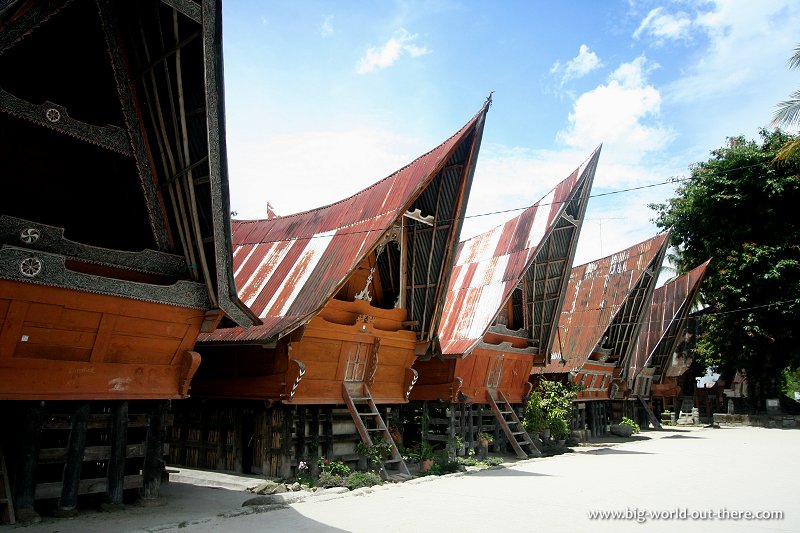
 Balinese temple at Tirta Empul (18 June, 2004) © Timothy Tye
|
The history of Bali goes back a few thousand years. It has already been inhabited since 2000 BC, when the people Austronesian stock migrated south from Taiwan via the islands of the Philippines and Sulawesi. As a result, the Balinese language bears a close relationship to the languages of the peoples in the Indonesian archipelago.
Hinduism has arrived in Bali as early as the first century AD. An irrigation system, called subak, was developed to grow rice in the 10th century, and with it developed a culture whose traditions can still be observed till today. From 1293 until 1520, the Hindu Majapahit empire flourished in eastern Java. Bali became one of its colonies in 1343. When the empire began to decline, many of the Majapahit elites, including its intellectuals, artisans and priests sought refuge in Bali. This was how Hinduism was introduced to the island.
Although a Portuguese vessal had came close to shore in 1585, Dutch explorer Cornelis de Houtman was the first European to land on Bali in 1597. This was the start of Dutch colonial rule that was to eventually engulf the whole of Indonesia, then called Dutch East Indies. The Dutch began exerting their dominion over Bali from 1840's. They did so by playing up the distrust of the various Balinese kingdoms against one another. In 1906, thousands of members of the Balinese royal family in Sanur marched to their death in a mass suicide than face the humiliation of defeat. This ritual suicide, or puputan, was to repeat itself in 1908 in Klungkung, preventing the Dutch governors from exerting much control over the people of Bali, and enabling their culture and tradition to continue intact.
During World War II, Bali was occupied by Japanese forces. During this time, a local hero called I Gusti Ngurah Rai formed the Balinese freedom army. He was killed at age 29 during the Battle of Margarana in a puputan against the Dutch on 20 November 1946. He was honored by having the Bali International Airport renamed after him. The Rp 50,000 banknote also features him. When Indonesia gained its independence from the Netherlands in 1949, Bali became one of its provinces.

1963 saw economic havoc brought along by the eruption of Gunung Agung which destroyed much of the crops and forced the transmigration of many Balinese to other parts of Indonesia. Violence erupted in Bali in the 1950's and 60's with a conflict pitting those that support the traditional caste system against those who reject it. These opposing sides were represented by the Indonesian Communist Party and the Indonesian Nationalist Party. In the end, the nationalist under General Sukarno prevailed, and the resulting purge against communism saw the liquidation of 80,000 suspected communists in Bali, representing 5% of the island population.
The upheavals of 1965/66 brought an end to Sukarno's administration, and in its place came Suharto, who proceeded to build relations with the west. It was also under Suharto that tourism was introduced as a form of economic activity for the Balinese. The tourism boom brought a flood of foreign exchange into Indonesia, and saw a dramatic rise in the standard of living of the average Balinese, making Bali one of the most prosperous provinces in Indonesia. Islamic extremists put a dent on the surging tourism industry by masterminding bomb attacks on Kuta, the main tourist area. The attacks in 2002 and 2005 killed 202 and 20 respectively, each time severely crippling tourist arrivals. Despite the attacks, Bali rebounded with gusto, registering record tourist arrivals in 2008.
|
|