Kuta Beach
Bali's surfing paradise, Indonesia


This sight is located in Bali, Indonesia. For travel information about Bali, read the Bali Travel Guide. To prepare for a trip to Indonesia, read also the Indonesia Travel Guide. Looking for budget accommodation in Bali? Use the Bali Budget Accommodation Map to find budget accommodation that fits your travel needs.

Kuta is the main tourist spot in Bali. This is where most of the accommodation, from guest houses to five star hotels, are concentrated. Kuta is a convenient spot to stay while in Bali, as it is near the Ngurah Rai International Airport. Also closeby are the world famous beaches of Kuta and Jimbaran. These beaches are the mecca for sunseekers and surfers.


Surfer at Kuta.


Visitors staying in Kuta are within reach of some of Bali's beautiful seaside temples. To the northwest of Kuta are the temples of Tanah Lot and Pura Batu Bolong. To the south is the limestone peninsula of Bukit Badung. It rises 200 metres above the sea, and offers the spectacular cliff-side temple of Uluwatu. Many people, however, finds Kuta over commercialised and crowded, and head for more artistic venue, such as Ubud.

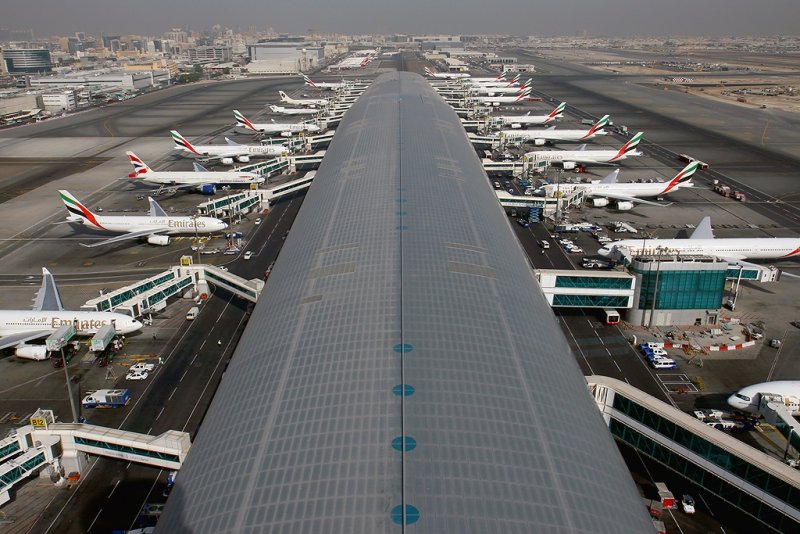
Ngurah Rai International Airport

In 1931 Department Voor Verkeer en Waterstaat of the Indian Dutch Government (similar to Department of Public Works) constructed an Air Strip for domestic aviation in Bali. During 1941 up to 1947 , This airport underwent a renovation work from 1941 to 1947, where its runway was upgraded and extended to the size of 1600 x 45 meters. Since it was located in the Tuban area, it was called Tuban Airport. In 1949 an air terminal was erected for Tuban Airport along with other aviation facilities. In 1959 Tuban Airport commenced providing services to international airlines. However it was only recognized as an international airport by the International Civil Aviation Organization in 1963.

From 1963 up to 1969 the Indonesian Government built an international airport terminal and extended the runway by damming up part of Bali strait so that the runway is extended to be 2700 x 45 meters. On August 1st. 1969, President Soeharto inaugurated the new Bali international airport, and changed its name to Ngurah Rai International Airport. During 1975 through 1978 Indonesian Government constructed another new International Airport terminal. The old International Airport was converted to be a domestic terminal and the former domestic terminal was used for cargo, freight forwarding and catering.

On 1 October, 1980, the management of Ngurah Rai International Airport was reassigned from the Directorate General of Air Communication to Angkasa Pura I Public Company. On September 1st 1985, the name Pelabuhan Udara was changed to Bandara Udara. On September 7 1990 the first phase of the Airport Facilities and Aviation Safety was officially dedicated by the Minister of Communication (it was scheduled in three stages or phases). The first stage of development encompassed the extension of the passengers terminal which was equipped with Aviongrade, parking lot for vehicles, new operational buildings furnished with airline service facilities and the extension of the runway to 3000 x 45 meters. On October 31st. 1992 the official operations of the Ngurah Rai Airport Expansion was inaugurated by President Soeharto. Angkasa Pura I Public company was converted into a public limited company or P.T. (Persero) Angkasa Pura I, coming into force on January 2 1993.

Statue of Satria Gatotkaca

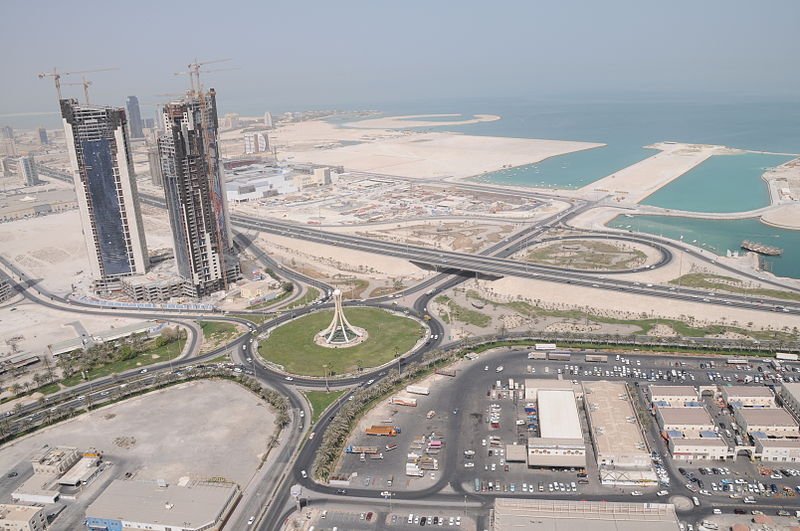
One of the first sights to greet visitors arriving at the Ngurah Rai International Airport is the statue of the legendary Satria Gatotkaca. Built in 1993 at the center of the road intersection at the northeast of Bali International Airport, the statue depicted Gatotkaca, a courageous and powerful knight, the son of Bima one of the five Pandawa brothers. He is identified as a flying knights who is responsible for air defence and security protection for the Pandawa Kingdom. This statue depicting a battle between Gatotkaca on Pandawa side, against Prince Karna whose horse-cart was coachmanned by Salya of Kurawa side in the Berata Yudha war. Gatotkaca sacrifices himself as a victim of Karna’s deadly weapon, Konta, that can be used only one time, to save Arjuna.

The erection of the statue apart from being a landscaping project around the airport, is also believed to lend spiritual protection and safety for all incoming and outgoing, flights. This statue offers an excellent photo opportunity for those arriving or leaving Bali.


Kuta Beach Photo Album


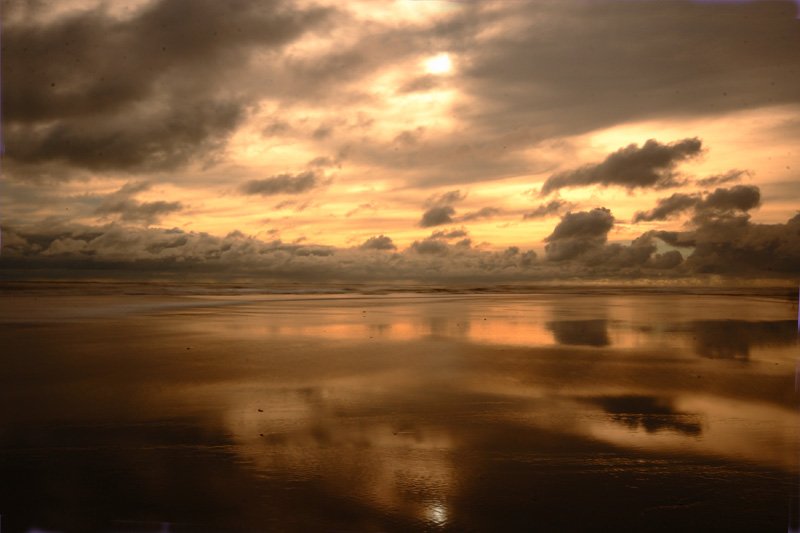
Silhouettes of beachcombers at Legian Beach near Kuta.


Statue of Satria Gatotkaca near Ngurah Rai International Airport


A relaxing time at Kuta Beach.


A man and the ocean.


A man and the ocean 2.


Beachcombing.


View of Legian Beach.


Surfboards at the ready.


Surfer at Kuta.


Click here to return to the AsiaExplorers Homepage

How much have you explored Indonesia? Through AsiaExplorers, you can now explore these places in Indonesia from the comfort of your desk: Indonesia, Bali (Batu Bolong, Kintamani, Kuta, Nusa Dua, Pura Ulun Danu Bratan, Taman Ayun, Tanah Lot, Tirta Empul, Uluwatu), Berastagi, Danau Toba (Lake Toba) (Ambarita, Bagus Bay, Batak Museum, Samosir Island, Simanindo, Santu Alfonsus Catholic Church, Sidabutar Tomb, Silintong Hotel, Tao Island, Tomok, Tuk Tuk), Gundaling Hill, Gunung Sibayak, Gunung Sinabung, Kabanjahe, Medan (BKS PPS Building, Immanuel Protestant Church, Kesawan Square, Maimoon Palace, Mesjid Raya, Sri Mariaman Temple, Standard Chartered Building, Sun Plaza, Tjong A Fie Mansion), Prapat, Pematang Purba, Sibolangit Botanical Gardens, Sipisopiso Waterfall, Tongging, Yogyakarta (Borobudur, Keraton, Candi Mendut, Prambanan)


Grab this swicki from eurekster.com


Copyright © 2003-2008 AsiaExplorers.  All rights reserved.

About the Author: AsiaExplorers is researched and written by Timothy Tye. We take reasonable care to check and verify the accuracy of the content. However, we disclaim any responsibility for any inconvenience, mishap, injury or death resulting from following the advice provided directly or indirectly by AsiaExplorers and the comments on its pages. All the photographs in AsiaExplorers are available for publication. Please contact AsiaExplorers at the following email address for your enquiries: