Japan is a very beautiful country, but to see it at its best, you have to be there at the right time. The AsiaExplorers Weather Charts provide important pointers to help you in deciding the best time to visit.
Japan enjoys a temperate climate, however due to its geography, different parts of Japan experiences different climate.
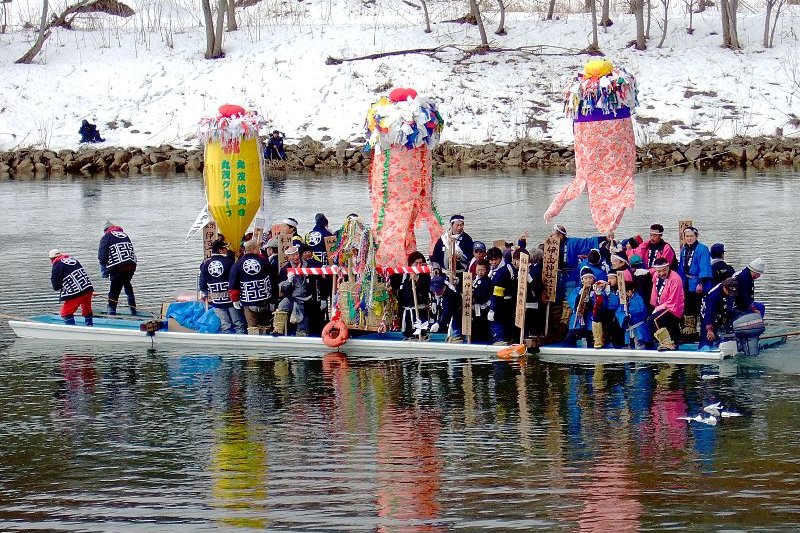
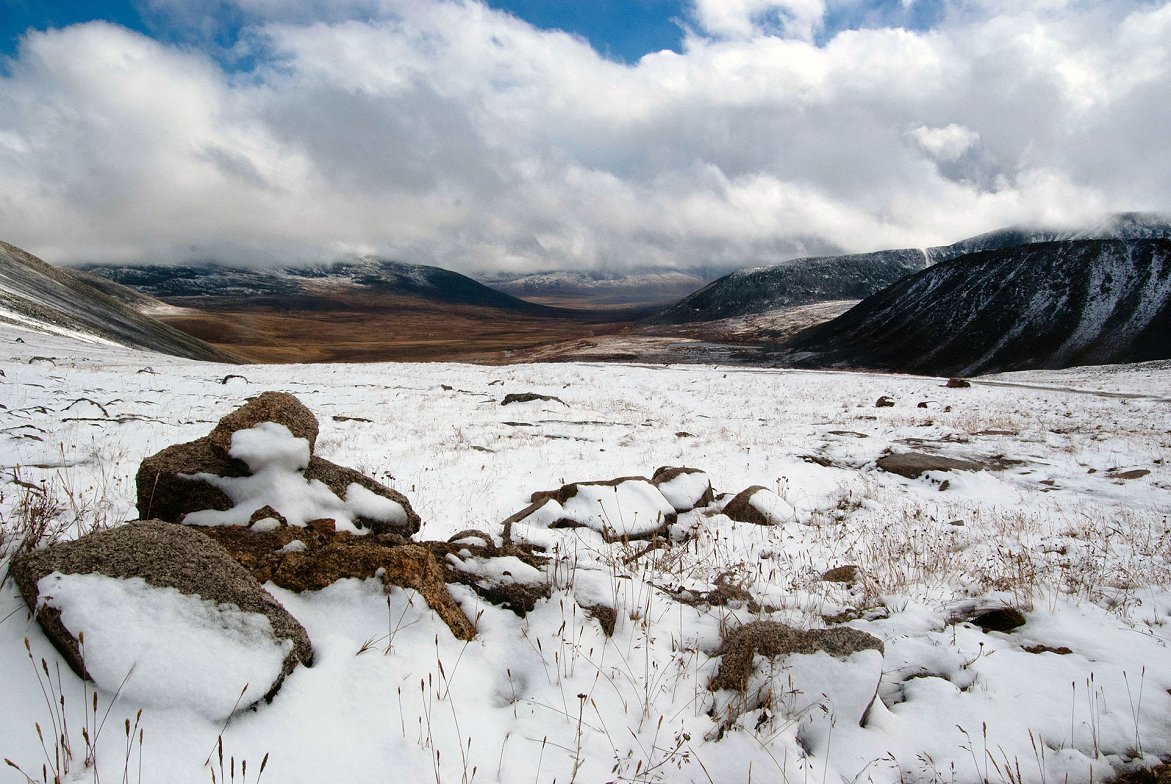
Hokkaido, in the north, experiences long, cold winters and cool summers. Rainfall is not heavy, but deep snow is experienced in winter.
The west coast of Honshu, facing the Sea of Japan, experiences heavy snowfall in winter. Even in summer it is cooler than the west coast.
The east coast of Honshu, facing the Pacific Ocean, experiences cold winters with little snowfall, and hot, humid summers due to the southeast monsoon.
The central highland of Honshu experiences an inland climate, with big difference between summer and winter, as well as temperature difference between night and day.
The area around the Seto Island Sea as well as Shikoku are shealtered from seasonal winds, and thus enjoys relatively mild weather throughout the year.
The Ryukyu Islands enjoys subtropical climate, with mild winters and hot summers, and heavy rainfall as well as typhoons.
The rainy season in Honshu begins in mid June and lasts six weeks. Further south, in Okinawa, the rainy season begins in May while up north in Hokkaida, it begins in late July.
Spring is the best time to visit Japan. The famous cherry blossom season is in March-April, and is a time of festivals in Japan. Autumn is another good time to visit Japan, to enjoy the riot of autumn colours. However, the southern parts of Japan are often hit by typhoons.
About the Author: AsiaExplorers is researched and written by Timothy Tye. We take reasonable care to check and verify the accuracy of the content. However, we disclaim any responsibility for any inconvenience, mishap, injury or death resulting from following the advice provided directly or indirectly by AsiaExplorers and the comments on its pages. All the photographs in AsiaExplorers are available for publication. Please contact AsiaExplorers at the following email address for your enquiries: