Haw Kham
Royal Palace Museum of Luang Prabang, Pha Bang Buddha Image, Laos
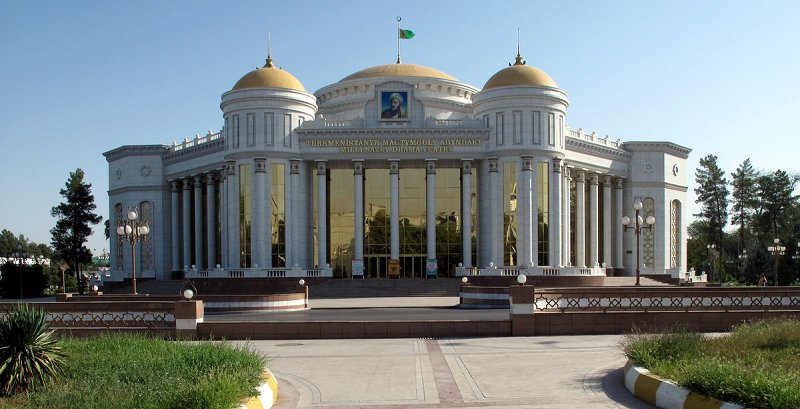
Haw Kham, the Royal Palace Museum of Luang Prabang.
Your base for this tourist attraction is the Unesco World Heritage town of Luang Prabang, Laos. For tourist information about Luang Prabang, go to Luang Prabang Travel Guide. To prepare for a trip to Laos, read also the Laos Travel Guide. Looking for budget accommodation there? Use AsiaExplorers Budget Accommodation Guide, the no-frills website to cover your budget accommodation needs.
Haw Kham and Pha Bang Buddha Travel Info
The Royal Palace Museum of Luang Prabang is located right at the centre of the heritage town. It is also called Haw Kham which means golden hall. King Sisavang Vong built it as his official residence between 1904 and 1909, after the previous palace was destroyed in 1887 by invaders. Unlike the original structure that faces the Mekong river, the rebuilt structure faces Mount Phousi
The Royal Palace was built in a combination of Lao and French styles. The layout is cruciform on a multi-tiered platform. I visited it twice, once with fellow AsiaExplorers members, and the second time on my own, to do my photoshoot of it. Within the museum is the throne room, and other items belonging to the Laotian royal family.
The most important item at the Royal Palace Musum is the Pha Bang Buddha image. This is the Buddha statue that gave its name to Luang Prabang. This statue is only 83 cm high, but is made from almost pure gold weighing between 43 to 54 kg of gold. According to legend, the statue was made in Sri Lanka in the 1st century AD, and was presented to the Khmers of Angkor. The King of Angkor, Jayavarman Paramesvara, gave it to his son-in-law, the great warrior Chao Fa Ngum, who founded the first Laotian Kingdom of Lan Xang. The Pha Bang Buddha was housed at Wat Wisunalat between 1513 to 1707, when King Phothisalat moved the capital to Vientiane.
The Siamese seized the Pha Bang Buddha image twice, in 1779 and 1827. It was finally returned to Laos in 1867 by King Mongkut of Siam. As I wrote this (October 2006), the Pha Bang Buddha would finally have moved from within the Royal Palace Museum into the newly completed Haw Pha Bang Chapel, also within the museum grounds.
Side view of the Royal Palace Museum.
The Royal Palace Museum as seen from the top of Mount Phousi.
About the Author: AsiaExplorers is researched and written by Timothy Tye. We take reasonable care to check and verify the accuracy of the content. However, we disclaim any responsibility for any inconvenience, mishap, injury or death resulting from following the advice provided directly or indirectly by AsiaExplorers and the comments on its pages. All the photographs in AsiaExplorers are available for publication. Please contact AsiaExplorers at the following email address for your enquiries: