Click here to return to the AsiaExplorers Homepage

Home | Mailing List | Laos Budget Accommodation | Contact   Bookmark and Share

Explore these Asian countries: Cambodia, China, India, Indonesia, Japan, Laos, Malaysia, Myanmar, Nepal, Singapore, Sri Lanka, Thailand, Vietnam and more coming up ... !


Click here to return to AsiaExplorers Laos Travel Guide
Hostels in Laos | Hotels in Laos | Books on Laos

Vientiane Travel Guide
Vientiane Culture & Heritage Guide, Capital of Laos

Preparing for Vientiane? Let us help!
History of Luang Prabang
Getting into Luang Prabang
Getting Around Luang Prabang
Sights in and around Vientiane:
  • Ho Phra Keo: Temple of the Emerald Buddha
  • Friendship Bridge: Bridge linking Laos and Thailand
  • Patuxai: Victory Monument
  • Thai Luang: Great Stupa
  • Wat Si Saket: Oldest Buddhist temple in original condition
  • Xiengkhuan: Buddha Park
    Accommodation in Luang Prabang


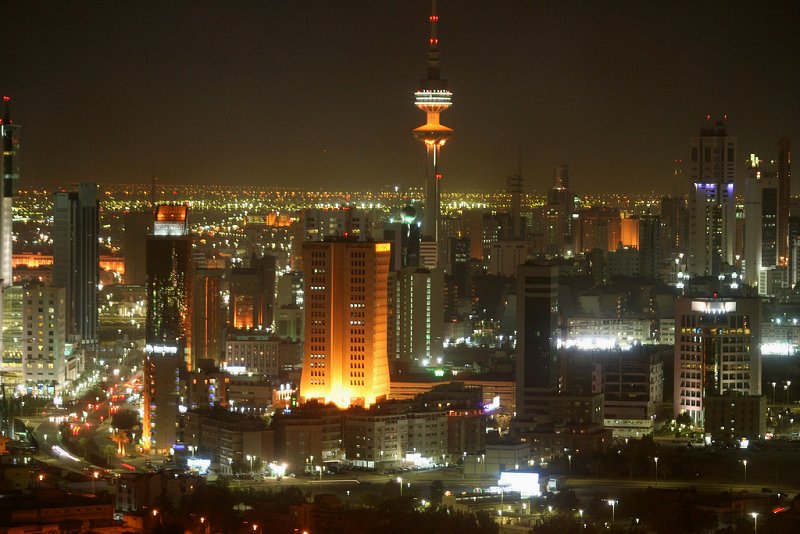
  • Vientiane, the capital of Laos, is an elegant city by the banks of the Mekong River. The I shot the above photograph for AsiaExplorers from the Mekong River bank, where a group of AsiaExplorers members and I had our dinner at an outdoor cafe. The name Vientiane means "City of Sandalwood". According to the great Laotian epic, the Phra Lak Phra Lam, Vientiane was founded by Prince Thattaradtha when he left the legendary Lao kingdom of Muong Inthapatha Maha Nakhone because he was denied the throne in favor of his younger brother. Thattaradtha originally founded a city called Maha Thani Si Phan Phao on the western banks of the Mekong River, in what is today's Udon Thani in Thailand. According to the legend, one day a a seven-headed Naga told Thattaradtha to start a new city on the eastern bank of the Mekong opposite Maha Thani Si Phan Phao. The prince called this city Chanthabuly Si Sattanakhanahud, the predecessor of modern Vientiane.

    Up

    Contrary to the legend, however, most historians believe that Vientiane was an early Khmer settlement centered around a Hindu temple, the site of which stands Pha That Luang today.


    Devotees at Vat Simuong in Vientiane.
    Devotees at Vat Simuong in Vientiane.


    In 1354, a Lao warload by the name of Chao Fa Ngum founded the Lan Xang Kingdom. He captured Vientiane, which was an important administative city, even though the capital at that time was Luang Prabang. King Setthathirath moved the Lan Xang capital from Luang Prabang to Vientiane in 1560. When the Lan Xang Kingdom collapsed in 1707, Vientiane became an independent kingdom. In 1779, it was conquered by the Siamese general Phraya Chakri and made a vassal of Siam.

    When King Anouvong raised an unsuccessful rebellion, it was obliterated by Siamese armies in 1827. Vientiane then passed into French rule in 1893. The French rebuilt it, and made it the capital of the French protectorate of Laos in 1899.

    Origin of the name Vientiane

    The name of Vientiane is derived from Pali, the language used by Theravada Buddhism. Its original meaning was "The king's grove of sandalwood" or "City of Sandalwood". The sandalwood tree being prized for its fragrance in classical India. It is also believed that the original name of Vientiane (Viangchan) means "City of the Moon" in the native Lao language. The romanized spelling "Vientiane" is of French origin, and reflects the difficulty the French had in pronouncing the hard "ch" syllable of the Lao word; a common English-based spelling is "Viangchan", or occasionally "Wiangchan".


    Click here to return to the AsiaExplorers Homepage

    How much have you explored Laos? Through AsiaExplorers, you can now explore these places in Laos from the comfort of your desk: Laos, Luang Prabang (Ban Muang Keo, Ban Pak Ou, Haw Kham, Luang Prabang Royal Palace Museum, Haw Pha Bang Chapel, Kiu Kacham @ Kiou Kacham, Kuang Si Waterfall, Laotian Cottage Industries, Mount Phousi, Namphou Square, Pak Ou Caves, Wat Aphai, Wat Ban Pak Ou, Wat Chom Phet, Wat Chom Si, Wat Choum Khong, Wat Hosian, Wat Mai Suwannaphumaham, Wat Meunna, Wat Monorom, Wat Nong Sikhounmuang, Wat On, Wat Paa Khaa, Wat Pa Khe, Wat Pa Phai, Wat Pak Huak, Wat Pak Khan, Wat Phan Luang, Wat Phonesaat, Wat Phone Xai, Wat Phra Bat Tai, Wat Phra Phome Phao Santi Chedi, Wat Sensoukharam, Wat Siri Moung Khoung, Wat Sop, Wat Souvanna Khiri, Wat Tao Hai, Wat Tham Phu Si, Wat That, Wat That Luang, Wat Wisunalat (Wat Vixoun), Wat Xieng Mouane, Wat Xieng Thong (Monastery of the Golden City), Mekong River, Phou Khoun). Vientiane (Buddha Park (Xieng Khuan), Ho Phra Keo, Patuxai, Thai-Lao Friendship Bridge (Mittaphap Bridge), That Luang, Wat Si Saket), Xieng Khouang (Phonsavan, Plain of Jars, Plain of Jars Site 1: Thong Hai Hin, Plain of Jars Site 2: Hai Hin Phu Salato, Plain of Jars Site 3: Hai Hin Laat Khai)

    All photographs appearing in AsiaExplorers are copyrighted and available for licensing. If you are interested to use any of them, please click here for details.

    Grab this swicki from eurekster.com


    Copyright © 2003-2008 AsiaExplorers.  All rights reserved.

    AsiaExplorers takes every reasonable care to check and verify the content on this website. However we disclaim any responsibility for any inconvenience, mishap, injury or death resulting from following the advice provided directly or indirectly by AsiaExplorers and the comments on its pages. All the photographs in AsiaExplorers are available for publication. Please contact AsiaExplorers at this email address for your enquiries.