Alor Setar is the capital as well as biggest city in Kedah. The city of 400,000 people was founded on 31 December in 1735 by Sultan Muhammad Jiwa Zainal Abidin (1710-1778), the 19th ruler of the Kedah Sultanate on 31 December 1735, when he moved his palace from Kota Bukit Pinang to Kota Setar.
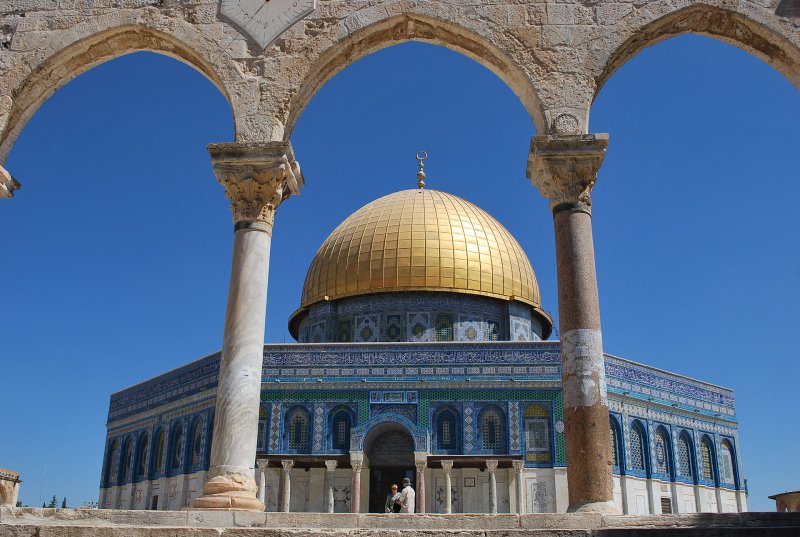
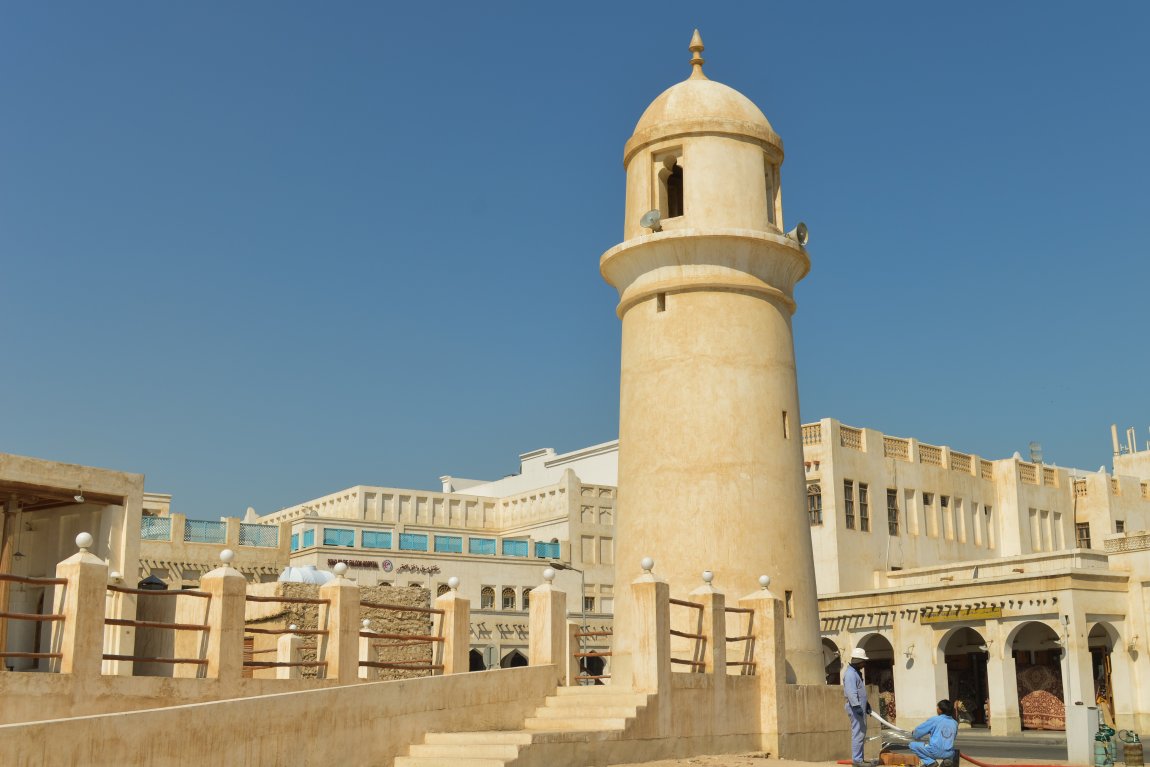
 Masjid Zahir, Alor Setar (8 January 2006) © Timothy Tye using this photo
Guide to Alor Setar Hotels
It's never easy finding the hotel that's just right for your stay. Still, by taking a little time to do your research, you increase your chance of getting a good hotel at the best price. Go through the list of hotels in Alor Setar which we've put together, with full description, star rating, address, location map and evaluation. Pick the hotel of your choice and view the rates offered by different booking sites. Yes, we show you prices from different websites, so you don't have to visit them one by one.
More about Alor Setar
Kota Setar was renamed Alor Setar during the reign of Sultan Abdul Hamid Halim Shah (1882-1943), probably to denote its association with the waterways, particularly the Wan Mat Saman Canal, which is the longest agricultural canal in Malaysia. Despite the name change, it continues to be administered under the Kota Setar District Council. Alor Setar was the eighth administrative centre for Kedah after Kota Bukit Meriam, Kota Sungai Emas, Kota Siputeh, Kota Naga, Kota Sena, Kota Indera Kayangan and Kota Bukit Pinang. The name Alor Setar comes from two words. "Alor" means small river. It derives from Tamil where "alur" means drain. "Star" is the name of a tree, Bouea macrophylla, which bears small, sourish fruits or "local plums". The Sultan named his new capital Kota Star because of the abundance of star trees. However merchants called it Alor Setar to describe the place between the Kedah and Anak Bukit rivers. Eventually the name stuck.
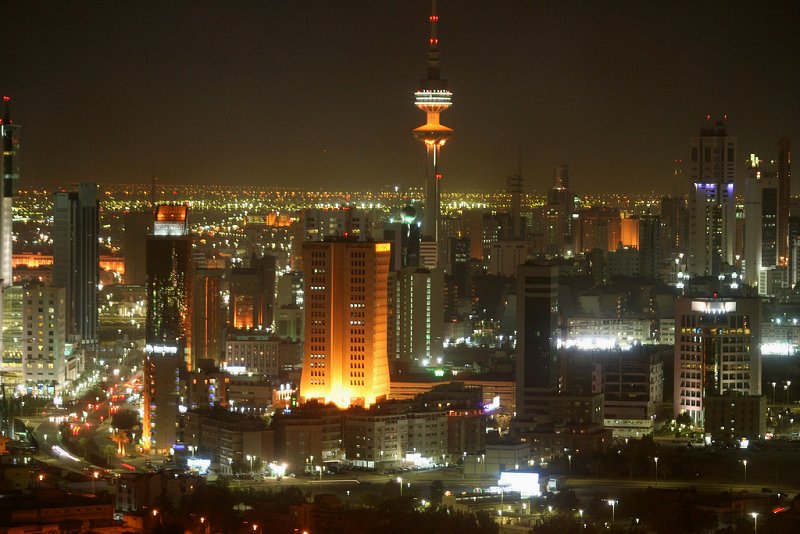
 Alor Setar at dusk (26 November 2006) © Timothy Tye using this photo
Since its founding, Alor Setar had been twice ransacked by external forces, the first time by the Bugis in 1770 and the second by the Siamese in 1821. The Bugis attack of 1770 destroyed Istana Kota Star and razed the Balai Besar. As a result of that, the ruler of Kedah at that time, Sultan Abdullah Mukaram Shah, entered into an agreement with Captain Francis Light. It indirectly led to the establishment of Penang.
The conquest of Kedah by Siam caused the sultanate to once again lose its territories, this time Perlis and Setul. During Siamese occupation of Kedah, the Sultan of Kedah went into exile in Penang, while the administrative capital shifted to Alor Ganu. In 1897, Perlis and Setul were returned to Kedah, but not for long. At that time, all were still under Siamese suzerainty. When Siam handed Kedah to the British in 1909, Perlis became an independent state in 1909 while Setul became Satun Province in Thailand. For more details on the history of Kedah, please read the details I documented on the Kuala Kedah Fort.
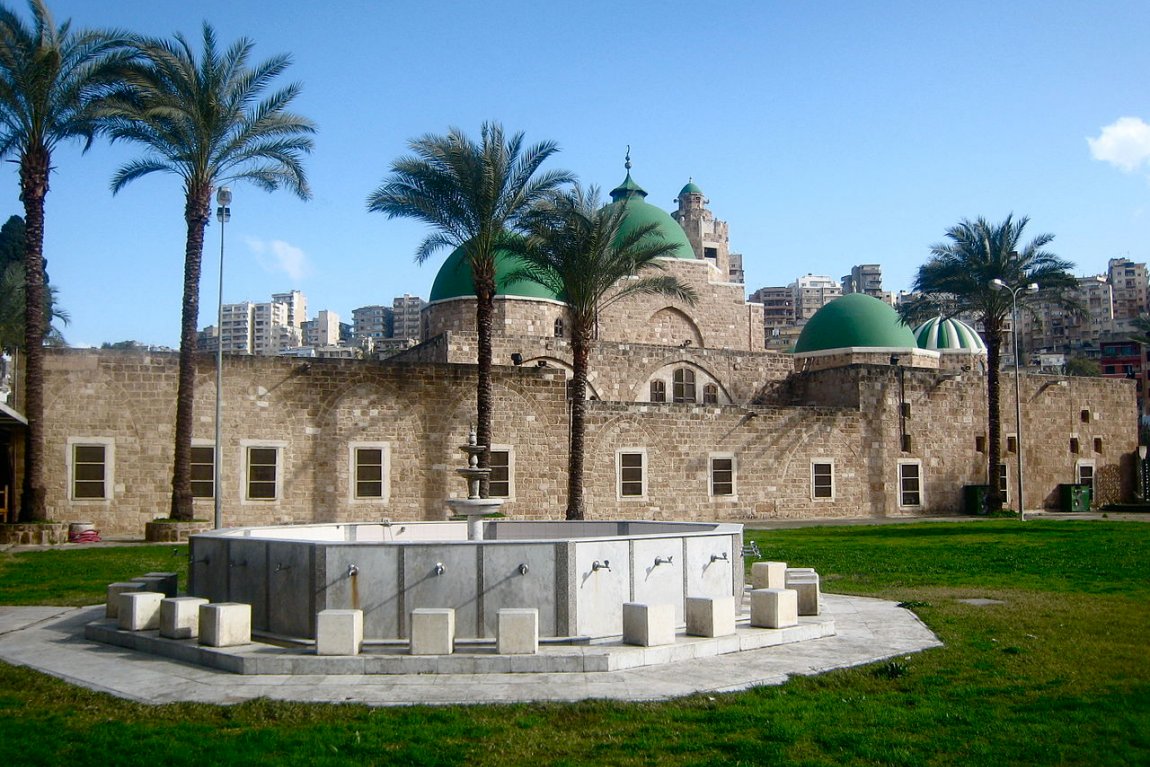
 Riverside village, Alor Setar (8 January 2006) © Timothy Tye using this photo
The spelling of the city has changed between Alor Setar and Alor Star a few times in recent decades. During the pre-independent era, the name was written as Alor Star. According to a friend and former fellow Penang Heritage Trust council member Tunku Ismail Jewa, the name when transcribed from the original jawi into romanised Malay in 1909 was a single-syllable word, "star". This was changed to "Setar" in 1969. It stays as Alor Setar until 21 December 2003, when Alor Setar attained city status. Then, it was announced that the city should be called "Alor Star", according to the original jawi as well as local Kedah pronunciation. The city was Alor Star from the end of 2003 until 14 January, 2009, when the new state government of Menteri Besar Datuk Seri Azizan Abdul Razak announced that the spelling will revert to Alor Setar. No reason was provided apart from that it was made following the local authority's request. As it was done without a solid historical reasoning, the debate over the spelling of Alor Setar, or Alor Star, may not be over yet.
Getting there
By Road
Alor Setar is 126km from Penang Island (via Penang Bridge) and 45km from the Malaysian-Thai border. There are buses to Alor Star from Puduraya in Kuala Lumpur and Sungai Nibong Express Bus Terminal in Penang, as well as from most major cities in Malaysia.
The most practical way to visit Alor Setar is by self-drive. Alor Setar is located to the west of the North South Expressway that runs from Bukit Kayu Hitam to Johor Bahru. To reach Alor Setar, exit the expressway at either Exit 178 (Alor Setar South) or Exit 180 (Alor Setar North).
By Plane
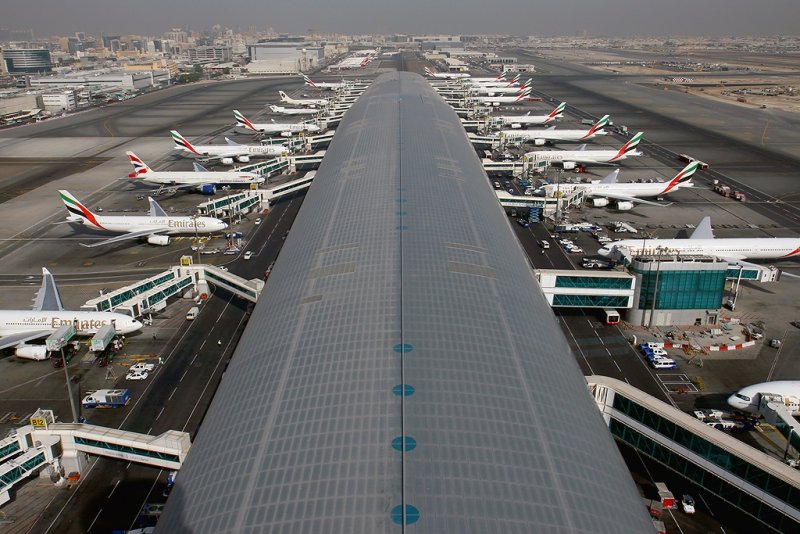
There are daily flights between Alor Setar's Sultan Abdul Halim Airport and Kuala Lumpur, operated by Malaysia Airlines and AirAsia. Journey takes 55 minutes. Firefly flies between Alor Setar and Singapore from October 2009.
By Ferry
Some people arrive in Alor Setar by way of ferry from Langkawi. Take the ferry to Kuala Kedah, and from there, take a taxi to Alor Setar. The ferry operates from 7:00 am to 7:00 pm every day. You can buy your tickets at Kuah Jetty. The trip takes approximately 1 hour 45 minutes. The fare is RM23 one way and RM46 return.
Ticket Counter Contacts:
Kuala Kedah: 04 762 6295, 04 762 6296
Langkawi: 04 966 1125, 04 966 1126
Do's and Don'ts in Alor Setar
Be mindful that you are visiting a predominantly Muslim city, therefore dress conservatively. Of course that does not mean covering yourself in the entirety. However, you should wear no revealing clothing.
Also, if you are visiting Muslim places of worship, remember to wear long pants for men, no skirt that reveal the knees for women. At the mosques, non-Muslims are often provided with robes so that they can still enter the building. However this is not always available, and may result in your not being granted access if not properly dressed.
Our Next Destination
From Alor Star, we head east for Shanghai, where we visit the Hong Kong & Shanghai Bank Building.
|