World Travel GuidesHistory of Kuala Lumpur


Exotic Tours of Asia
 Compare Hotel Room Rates from different Booking Sites  Asia Travel Guide     
Confluence of Klang and Gombak Rivers today
Confluence of Klang and Gombak Rivers today (6 June 2004)
© Timothy Tye

Klang riverbank, near where the early miners disembarked
Klang riverbank, near where the early miners disembarked (8 February 2006)
© Timothy Tye

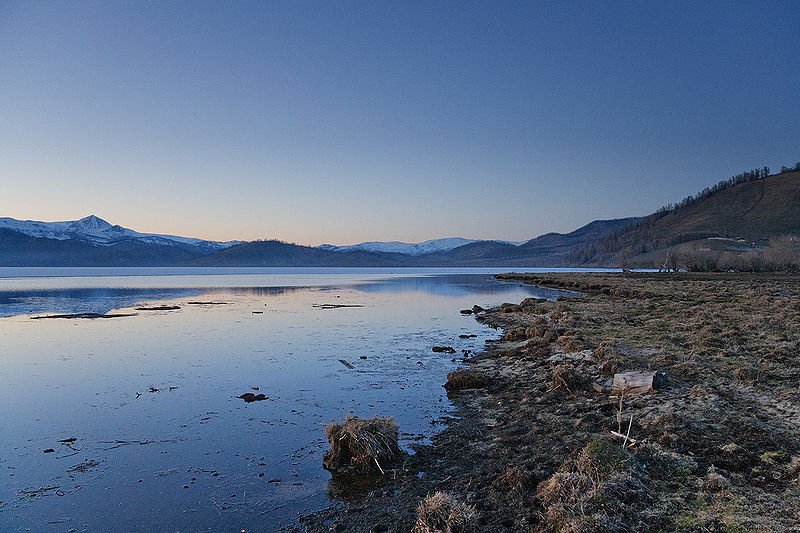
Taman Tasik Titiwangsa, a former mining pond
Taman Tasik Titiwangsa, a former mining pond (6 June 2004)
© Timothy Tye

The history of Kuala Lumpur begins somewhere around the middle of the 19th century. In began around 1857, when Chinese coolies arrived at the muddy confluence of the Klang and the Gombak rivers. They were brought in by Raja Abdullah and his brother Raja Jumaat, who were in partnership to exploit the tin reserves. The Industrial Revolution has on the way in the western world, and tin was much in demand. Raja Abdullah had been granted the land to be developed by his father-in-law, Sultan Muhammad, after the latter's son, Raja Sulaiman, who was originally granted the land, had failed to do anything with it.

There were all together 87 Chinese labourers that made up the first group of miners that arrived. The men diembarked from their boat where the Klang River meets the Gombak River. At that time, the confluence did not yet have a name. However, the Gombak River was then known as Sungai Lumpur. From the river banked, they made their way on foot heading east, cutting their way through the dense forest, until they arrived at an area which is present-day Ampang. This was where they began their mining activities, as tin ore was in abundance there. The men set up camp, which was nothing more than a ramshakle collection of huts. The place was humid, dense and infested with mosquitoes. Jungle diseases of all types plagues the labourers. Within one month of arriving all but seventeen had died of malaria. Raja Abdullah and Raja Jumaat were determined to extract the tin, and so, in the wake, more labourers were brought in. The early miners in Ampang were equipped with nothing but crude implements and dreams. They panned and they dug from morning till dusk, and as night fell, they retreated to their patchwork village.

Meanwhile, two Chinese traders arrived from Lukut, which today is within Negri Sembilan but at that time was part of Selangor. They chose a site where the two rivers meet, and got their labourers to clear the land for them. There they built a few crude huts and set up their provision shop selling food, tools and other basic necessities. The place that Hin Sew and Yap Ah Sze, also known colloquially as Ah Sze Keledek, set shop was at the muddy confluence of the Klang and Gombak rivers, and they gave the place the name Kuala Lumpur. The very spot where they had their shop is recognised as the birth place of Kuala Lumpur. It lies on the opposite side of the Klang River to the 1909 Masjid Jamek (Friday Mosque) of Kuala Lumpur, and is known today as Medan Pasar (or Market Square).

In the wake of Hin Sew and Yap Ah Sze's shop came bars, gambling dens and brothels to cater to the needs of the miners. When a need arose to elect a headman, Hin Sew became the first Kapitan China. Kuala Lumpur at that time - the third quarter of the 19th century - was very much a frontier mining town, a place where life was cheap and gangfights commonplace. To safeguard their well-being, the miners formed associations according to their surname or clan. These associations, or kongsi as they are known, polarised the miners. The clan associations are in fact triads that provide protection in return for absolute obediance and loyalty. Friction between different clans often flared into gang fights and open warfare. Due to their often clandestine activities, the associations came to be labelled by the British colonials as "secret societies".

Yap Ah Loy

The most famous Kapitan China of Kuala Lumpur is Yap Ah Loy. I describe him in a separate page: click on Yap Ah Loy to read more about him.


Return to Exploring Malaysia
Return to Malaysia Budget Travel Guide
Return to Exploring Malaysia
Return to Malaysia Budget Travel Guide


Get my latest updates on Google+


Find a hotel


Point - Click - Discover!

Thanks for visiting this webpage. To continue exploring, choose another destination!


My World Travel Guides - celebrating a beautiful world beautifully.

Accessories for your trip