Ipoh Old Town
 Ipoh Old Town (19 August 2006) © Timothy Tye using this photo
Ipoh Old Town is the original part of Ipoh town that developed in the 1880's. It is located to the west of the Kinta River, and is the small area from the Ipoh Railway Station all the way to the river.
The area where Ipoh is located has been settled as early as the 16th century, but it was little more than a collection of villages. Early settlers were Malays led by one Tok Keluang, son of a minor chieftain of Upper Perak. After his father Tok Sabang was defeated and liquidated by Sultan Mudzaffar Shah, the first Sultan of Perak (and son of Sultan Mahmud Shah, the last sultan of Malacca who was deposed by the Portuguese), Tok Keluang fled down the Perak River and up its tributary, the Kinta River, where he founded a settlement that would become Ipoh.
For the subsequent two hundred years, there was nothing of significance happening in Ipoh until the late part of the 19th century, when one of the richest tin deposits in Malaya were discovered in the Kinta Valley, centered on Ipoh. The resulting boom propelled Ipoh to become the fastest growing and richest town in Malaya, much to the chagrin of the people of Taiping, which had a head start in the tin mining industry, but was seeing its tin deposits depleting.
Tin mining created many rich Chinese tycoons in Ipoh, among them Yau Tet Shin, Leong Fee, Lam Look Ing and Chung Thye Phin. Many of these people owned mines not and businesses not only in Ipoh, but also in Taiping, Penang, Kuala Lumpur, Seremban and Singapore.
The central business district of Ipoh is in the Old Town. This is where you find the main branches of banks. The court house, post office and other government buildings are all on this part of town.
Here's a list of the places of interestin Ipoh Old Town:
- Ali Pitchay's Townhouse
Home of the Chief Sanitary Inspector of Kinta in the early 20th century.
- Ambika Estates Office
Shophouse belonging to M. Meyyappan, a Chettiar who was the proprietor of Ambika Estates rubber plantations.
- Birch Bridge
Bridge built in 1907 across the Kinta River.
- Birch Fountain
Fountain presented by the Chinese community in honor of E.W. Birch, the Resident of Perak.
- Birch Memorial
Monument spearheaded by E.W. Birch, the Resident of Perak, in memory of his father, J.W.W. Birch, the murdered first Resident of Perak, unveiled in 1909.
- Chennai Potty's
One in a row of shophouses belonging to the Chettiar clan of money lenders in the 20th century.
- Chinese Theatre Hostel
Hostel for the opera troupes working in the theatre next door, built in 1921.
- Chung Thye Phin Building (Bangunan Sztolee)
A three-storey corner building named after the last Kapitan Cina of Perak, and originally a medical hall, now a dispensary.
- Church of St John the Divine
Anglican church built in 1912.
- F.M.S Bar & Restaurant
A bar founded in 1906 to serve as a watering hole for the European miners and planters.
- Han Chin Pet Soo
Clubhouse founded by Hakka tin miner Leong Fee.
- Ipoh Cenotaph
Memorial to those who perished in the world wars.
- Ipoh Court House
Classical-style building completed in 1928.
- Ipoh Elken Building (originally Merchantile Bank Building)
Art Deco-style building from 1931, built for use as a bank.
- Eu Yan Sang
Ipoh branch of the Chinese medical shop, founded by miner Eu Tong Sen in 1879. Present Ipoh shop opened in 1907.
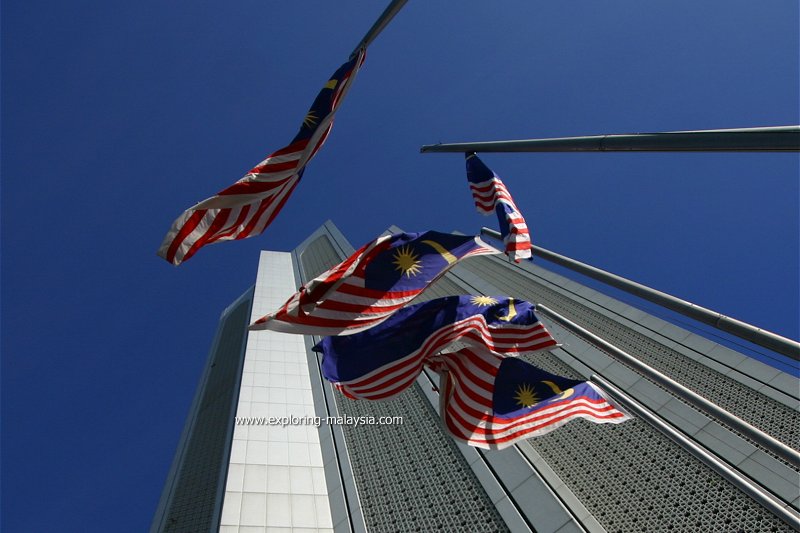
- Ipoh Flagpole
Tallest flagpole in Perak.
- Ipoh HSBC Building
Neo-Renaissance building erected in 1931.
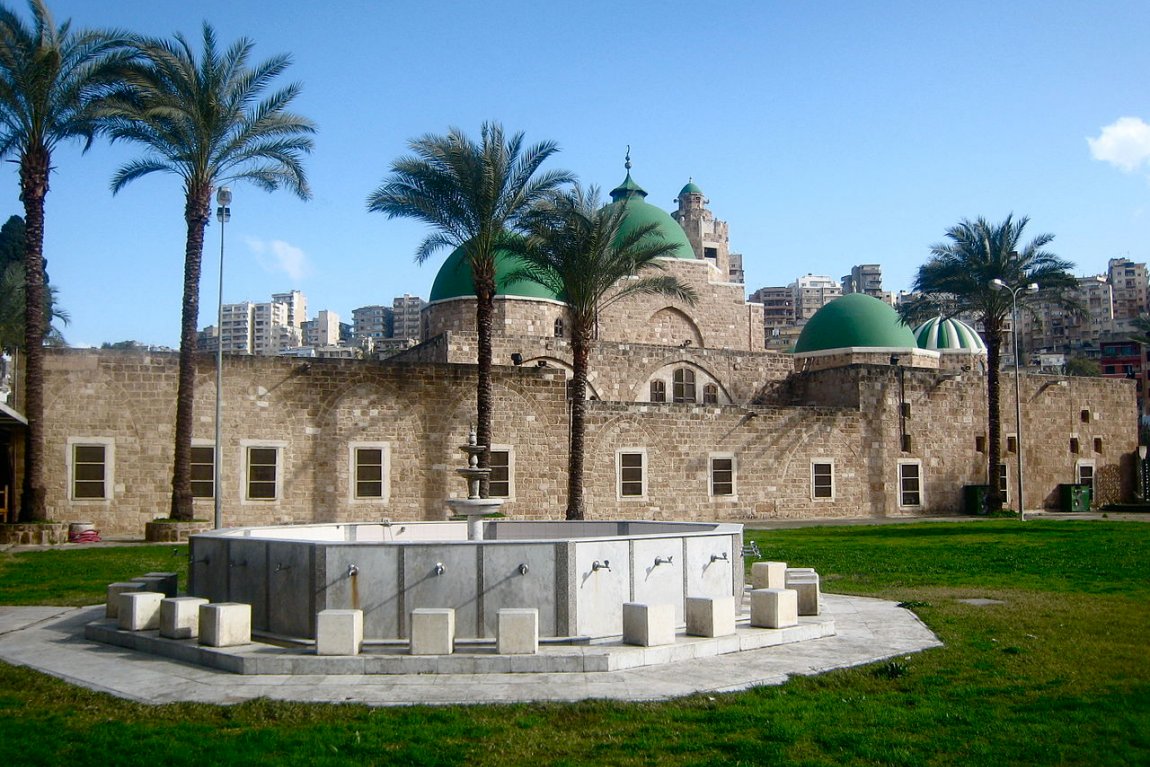
- Ipoh Indian Muslim Mosque
Tamil Muslim mosque of the Hanafi sect, founded in 1908, also called the Town Padang Mosque.
- Ipoh Multi-Level Car Park
The first multi-storey car park in Malaysia, built in 1962.
- Ipoh OCBC Bank Building (formerly Straits Trading Building)
Historic building, circa 1907, that once housed the tin trading offices of Ipoh, today housing the OCBC Bank.
- Ipoh Police Headquarters
Police station complex dating back to the first police post in 1879.
- Ipoh Railway Station
One of the most prominent landmarks of Ipoh, designed by A.B. Hubback, and completed in 1917.
- Ipoh Riverfront Park (Taman Persisiran Ipoh)
Recreational park beside the Kinta River in Ipoh.
- Ipoh Standard Chartered Bank Building
Built for the Chartered Bank of India, Australia and China in 1902, today housing the present incarnation of the bank.
- Ipoh Tenaga Nasional Building
Former premises of the Perak River Hydro-Electric Company.
- Ipoh Town Hall
Colonial-era building designed by A.B. Hubback and completed in 1914.
- Ipoh Tree
Ipoh's namesake, planted in front of the railway station.
- Jan Sahib's Office
Office of imminent Indian Muslim, who was chief trustee of the Ipoh Indian Mosque.
- Kian Aik Chan
Rice importer shop that served as base for espionage against the Japanese during World War II.
- Kin Kwok Daily News Building
Office of the Chinese-language newspaper founded in Ipoh in the early 20th century.
- Kinta Aerated Water Company
Historical building that housed a beverage production outlet and bakery.
- Leong Yew Koh's Legal Firm
Premises of the law firm of the person who became the first Governor of Malacca after Independence.
- Muzium Darul Ridzuan
Museum housed in the 10-room bungalow built by tin miner Foo ChoongYit in 1926.
- OCBC Building
OCBC Bank Building in Ipoh.
- Old OCBC Building
The earliest premises of OCBC in Ipoh.
- Pakistani Mosque
Mosque built in the 1930's for the Punjabi Muslims working in the police force.
- Panglima Lane
Lane referred to as "Second Concubine's Lane", one of the red-light areas of pre-war Ipoh.
- Perak Chinese Mining Association
Association formed by the Chinese miners in Perak in 1935.
- Perak Ku Kong Chow Kung Wui Association
Cantonese district association dating to 1928.
- Perak Tourist Information Centre
Tourism office for the state of Perak, located in Ipoh.
- Royal Ipoh Club
Recreational Club in front of the Ipoh playing field.
- Seenivasagam Brothers Law Office
Home and office of S.P. Seenivasagam, the first President of Ipoh Municipal Council, and his brother, D.R. Seenigasagam, an M.P.
- Sinhalese Bar
Drinking establishment started by a Sinhalese and frequented by the Sinhalese community.
- S.P.H. De Silva Building
One of the oldest commercial buildings in Ipoh, dating from the turn of the 20th century.
- Straits Trading Warehouses
Warehouse of the tin trading firm, used as collection centre for tin ore.
- Yau Tet Shin Mansion
Building housing the State Medical and Health Offices.
|