Ipoh Travel Guide
Capital of Perak State, Malaysia
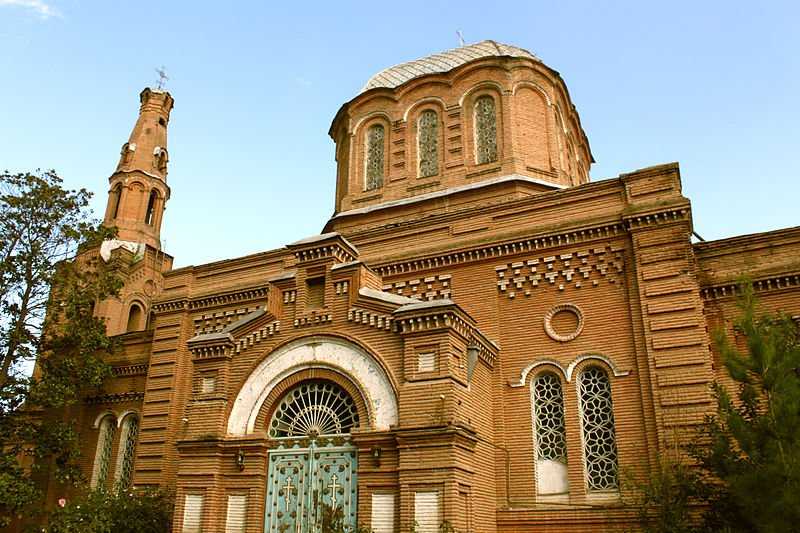
Ipoh, capital of Perak, is a moderate-size city in Malaysia. It is located between Penang and Kuala Lumpur. I have visited Ipoh many times, and took the above photograph at the Ipoh Railway Station, a beautiful heritage building, on a trip which I organised for members of AsiaExplorers.
Since being accorded city status, the Ipoh City Council or Dewan Bandaraya Ipoh, includes smaller towns such as Chemor, Jelapang, Falim, Menglembu and Tanjong Rambutan. Historically however, Ipoh referred to the Old Town and New Town, two areas divided by the Kinta River at its heart, from which the city grew.
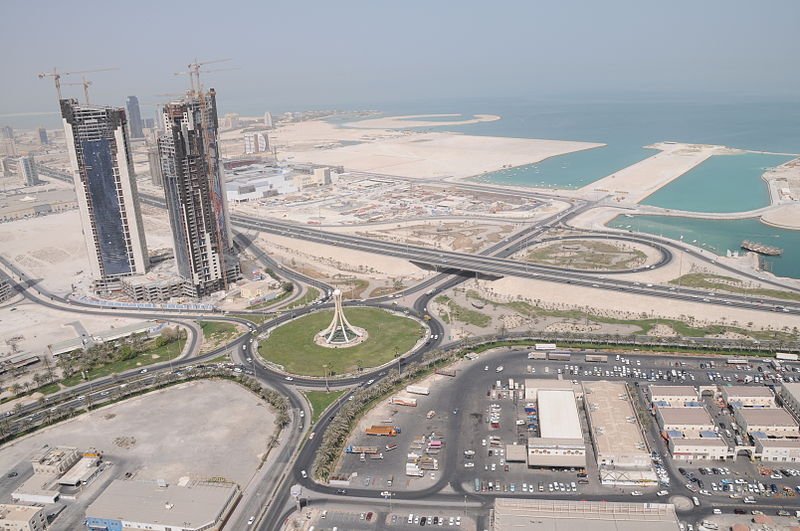
 View from the Ipoh Railway Station.
Ipoh History
The name Ipoh is said to have come from a local tree, pohon epu, which is now more commonly known as pokok ipoh. This plant produces a poisonous sap that is used by the orang asli for their blowdarts. Ipoh is also known as san seng in Chinese, which means "hill city" in the Cantonese. This probably refers to the many limestone outcrops around the city. An old nickname for Ipoh is City of Millionaires, referring to the vast fortunes made during the days of the tin and rubber industry.
Being in the rich tin-bearing Kinta Valley, Ipoh was a boom town in the 1920s and 30s. When the price of tin collapsed in the 1950s, it resulted in the closure of many Ipoh tin mines, stagnating the growth of the town, and propelled its population to seek employment in other parts of Malaysia. Ipoh has a reputation of being one of the cleanest cities. It is also well known for its clear water supply, which allows it to be a choice producer of vegetables, especially bean sprouts.
Ipoh Cuisine
Ipoh is famous among the people of Malaysia for its food. Ipoh people claim that their water supply, which is relatively hard (high alkali content) owing to Ipoh's location on top of a large karstic formation, makes the food especially tasty. Ipoh is particularly famous for its "Sar Hor Fun", a flat white rice noodle taken with shredded chickehn meat and prawns. Folks from other towns often stop over in Ipoh to enjoy the dim sum if they arrive in the morning, and the nga choi kai, a dish of chicken and bean sprouts, if they come in the evening. Ipoh's Hakka Mee and yong tau fee is also popular.
Heritage Ipoh
Ipoh, like many major towns in Malaysia, has its share of heritage buildings. Unfortunately, a good number of them are today in a run-down state. Some, like the Pasar Bulat, is no longer standing, although it continues to appear on guidebooks (something which AsiaExplorers, being a web-based information provider, am able to update immediately). As I continue to write and document about the buildings and sights in Ipoh - as I do about the rest of Asia - I hope that this effort will generate into greater awareness and appreciation for these beautiful buildings, and that more effort will be invested to conserve them.
|