Kota Kuala Kedah, or Kuala Kedah Fort, is a Malay fort in Kuala Kedah where many wars were fought to maintain Kedah's independence against a host of invading forces. Ironically, Kuala Kedah Fort was built with assistance from the Portuguese, during the reign of Sultan Sulaiman (1602-1619), to defend Kedah and its capital, Kota Setar. It stands on the site on an earlier Malay fort that then Portuguese destroyed in 1611. Located by the sea, Kuala Kedah Fort has its western wall facing the Straits of Malacca while its southern wall overlooking Sungai Kedah, in the direction of Kuala Kedah. There is a moat on the landward side called Alor Melaka.
According to history, the original purpose of Kuala Kedah Fort was to act as an outpost for Portuguese defences. It didn't do well in that respect. Sultan Mahkota Alam of Acheh attacked Kuala Kedah Fort in 1619, successfully ejecting the Portuguese from the fort, and taking 7000 prisoners, including the ill-fated Sultan of Kedah. I do not know what happened to the Kedah sultanate immediately after that, but in 1724, another battle took place at Kuala Kedah Fort, this time a civil war between the ruling Sultan Muhammad Jiwa and his younger brother who was plotting to overthrow him. The Sultan was aided by the Bugis while his younger brother found support among the Minangkabaus. The Sultan prevailed, but the two-year war left Kedah devastated.
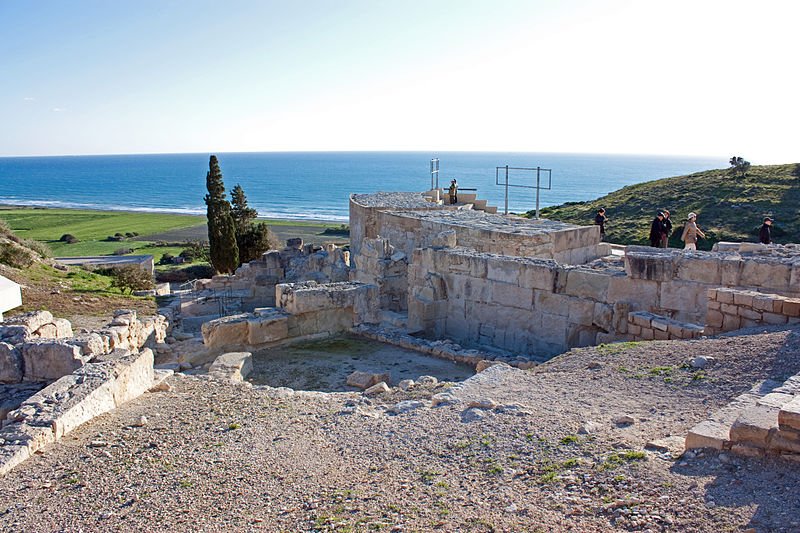
The restored wall of Kuala Kedah Fort.
In 1771, the Bugis once again were involved in the powerplay around Kuala Kedah Fort. This time, however, they sided with the dissident forces against the ruling Sultan Abdullah Mukarram Shah. The Bugis captured Kuala Kedah Fort. Sultan Abdullah sought the help of Captain Francis Light, who succeeded in ousting the Bugis.
The original fort was built of earthworks, bakau timber and bamboo. Following the defeat of the Bugis fleet in 1771, Sultan Mukarram Shah rebuilt and strengthened the fort with stones and bricks. The rebuilding, headed by Kedah's religious head, Maharaja Kadhi, was completed in 1780, using labourers from India and cannons purchased from the British and Dutch.
Francis Light took over the fort as his base, and promised to use it to protect the sultan. This led Sultan Abdullah to believe that the British would always grant him protection, especially against his arch enemies, the Bugis and the Siamese. That belief, which would be proven wrong, led the Sultan to relinquish Penang Island to the British.
The Siamese arrived at Kuala Kedah on Sunday, 12 November, 1821, during the reign of Sultan Ahmad Tajuddin Halim Syah II, the 22nd sultan of Kedah. Not knowing their true intentions, the fort commander Bendahara Dato Paduka Maharaja Sura welcomed the Siamese forces with a ceremony. However, as they were being given a tour of the fort, the Thai commander Phra Buri Sakmuton, suddenly ordered his men to attack. The garrison was massacred, and the Sultan of Kedah fled to Penang. For more details on Kedah's unfortunate history, please visit the Kedah page. I don't know further about the fort except that it was occupied by the Japanese during the Second World War.
I visited Kuala Kedah Fort while coastal sights of Kedah, and am documenting it here for your knowledge. When I was there, the place was still in the midst of being restored. The ground was red soil and grass has not been fully replanted yet. I suppose the building in the middle was the Sultan's palace, which also acted as a religious school, and is today the Kuala Kedah Fort museum.
Follow the directions given to go to Kuala Kedah. The fort is located on the north side of Sungai Kedah, a short distance from the mock fortress of the Kuala Kedah Yacht Marina.
Thank you, thank you, thank you, for the opportunity to explore the world, to document, to photograph, and to share the information with you. My name is Tim, I'm the writer of this website, and I want to tell you how grateful I am for your visit. This is one of over a dozen websites that I write - you can click my thumbnail photo above to randomly visit any one of them. All my photos are available for commercial printing - find out the photo usage rights here. If you wish to share you photos on this website, upload them to www.panoramio.com and send the URL to me for consideration. And, if you'd like to correspond with me, send your mails to my address as shown below:
About the Author: AsiaExplorers is researched and written by Timothy Tye. We take reasonable care to check and verify the accuracy of the content. However, we disclaim any responsibility for any inconvenience, mishap, injury or death resulting from following the advice provided directly or indirectly by AsiaExplorers and the comments on its pages. All the photographs in AsiaExplorers are available for publication. Please contact AsiaExplorers at the following email address for your enquiries: