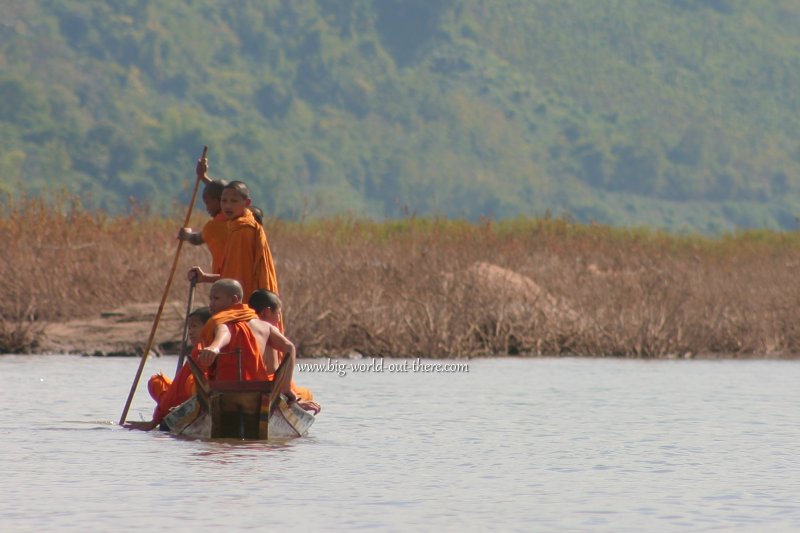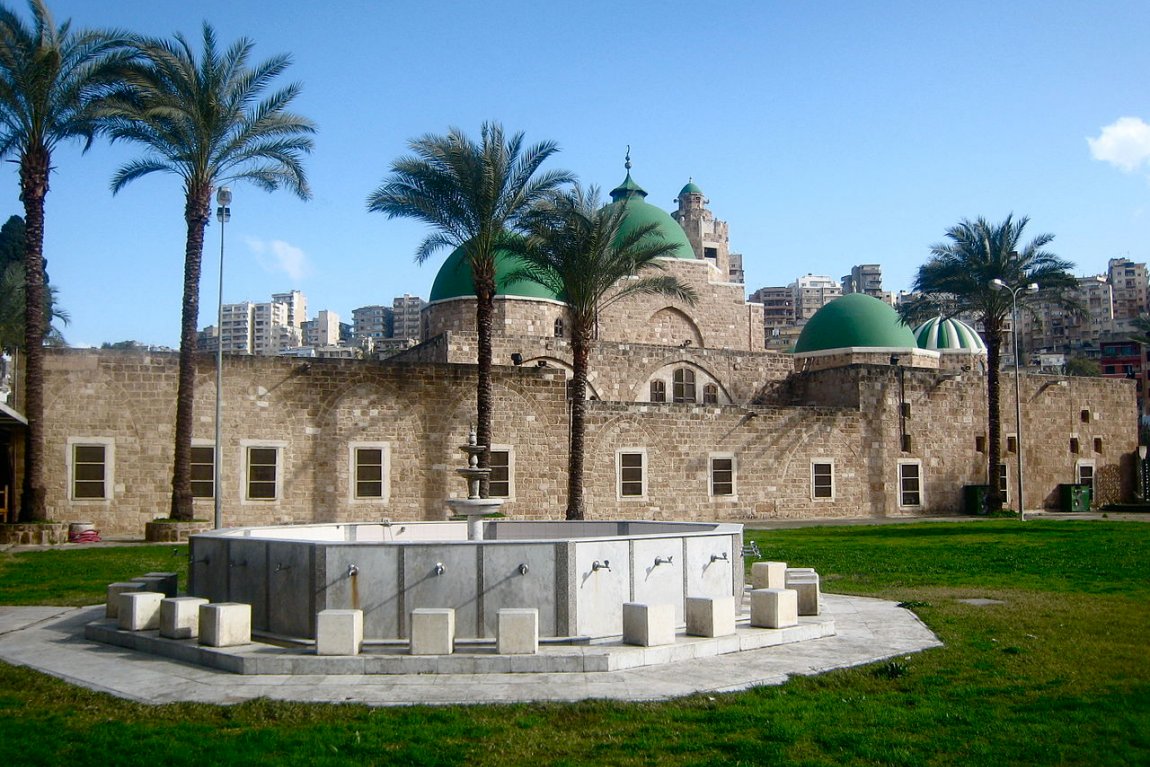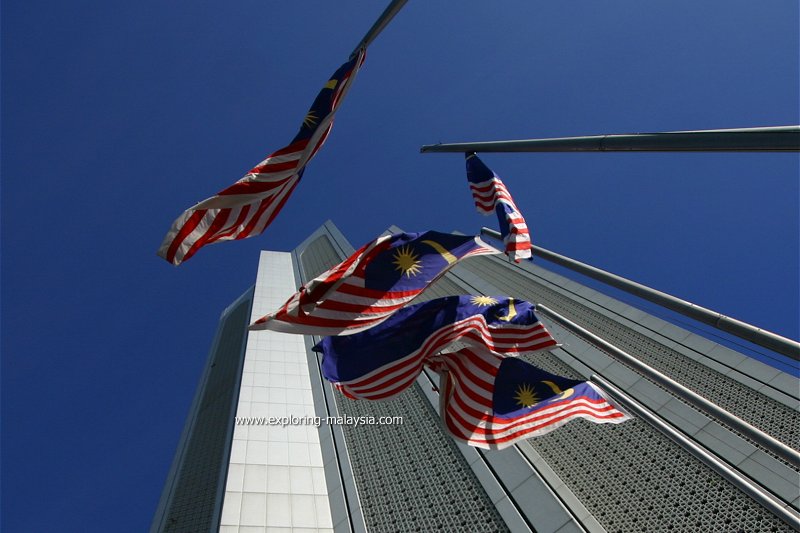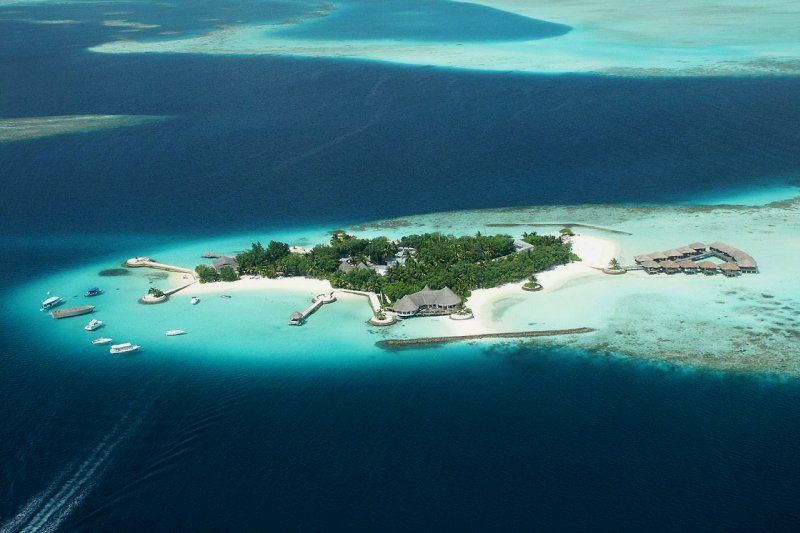
Malaysia is a country at the heart of Southeast Asia. It is one of the most culturally diverse countries in Asia, as well as in the world. This is were Asia meets, and it is reflected today in Malaysia's composition. The Malays form the majority in the country. There is also a sizeable population composed of the Chinese, Indians, and minority races including Ibans, Kadazans, Bidayuh and other indigenous tribes.
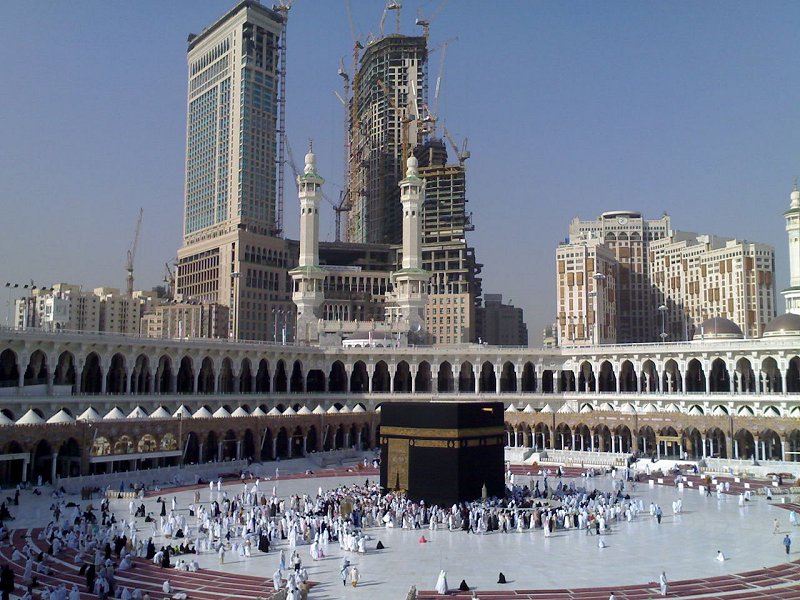
Malaysia consists of two parts. Most of the population is concentrated along the west coast of West Malaysia. Much of East Malaysia, which comprises the states of Sabah and Sarawak, is still clad with tropical rain forest.
Basic Information
Time Zone: +8GMT Malaysia is 8 hours ahead of Greenwich Mean Time.
Currency: ringgit (RM)
Language: Malay, Chinese (Mandarin, Hokkien, Cantonese), Indian (Tamil), Iban, Kadazan-Dusun.
International Dialing Code: 60
Population: 21 million
Religion: Islam, Buddhism/Taoism, Hinduism, Christianity
Electricity: 220V 50Hz
Electrical Outlet: Mostly three-prong sockets similar to United Kingdom. (See details here: http://www.kropla.com/electric.htm)
Driving: On the left side of the road.
Accommodation: see online list of hotels in Malaysia
Malaysia Geography
Malaysia consists of two parts. West Malaysia, also called Peninsula Malaysia, which is the smaller of the two, but holds eighty percent of the population. Then there is East Malaysia, consisting of the states of Sabah and Sarawak, two forested states with limited road networks, and where transportation by air is very much the norm.
Malaysia may have one of the best road networks for a country of its size, although of late, the expressways tend to be congested. The North South Expressway is the main artery that runs the length of West Malaysia from Bukit Kayu Hitam in the north to Gelang Path in the South. The East-West Highway and the Karak Highway links the west coast to the east coast. Just as eighty percent of Malaysia's population is concentrated in West Malaysia, eighty percent of West Malaysia's population is concentrated in the west coast. Kuala Lumpur, Penang and Johore Bahru are three of the densiest population centres in the country, whereas Perlis and Kelantan are relatively sparse.
Where to Go, What to See in Malaysia
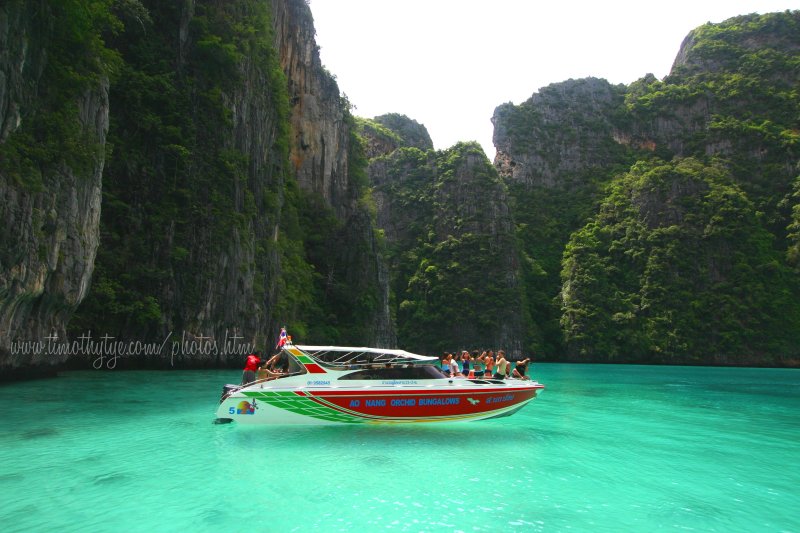
Visitors to Malaysia generally descends on Kuala Lumpur. From there, they head north, to Penang, where the colonial architecture and heritage is still intact, or to Langkawai, which is heavily promoted by the government as a recreational island. Those seeking more pristine surroundings head to the east coast, to islands such as Redang, Perhentian and Tioman. Malaysia is noted as a major diving destination in Asia, and islands such as Pulau Sipadan in Sabah is ranked as among the best.
Malaysia is home to some of the oldest rainforest in the world, as in Endau-Rompin. Visitors wishing to enjoy a natural experience may
visit Taman Negara, Malaysia's first national park; Lake Chini, a river-floodplain of 12 interlocking lakes, and the many waterfalls in the country. The East Malaysia state of Sabah is where Mount Kinabalu, the highest peak in Malaysia, and one of the highest in Southeast Asia. Ascending it is entirely possible, if one is reasonably fit and prepared for the climb. Guides and potters are available for such an undertaking.
Entry Points
By Air
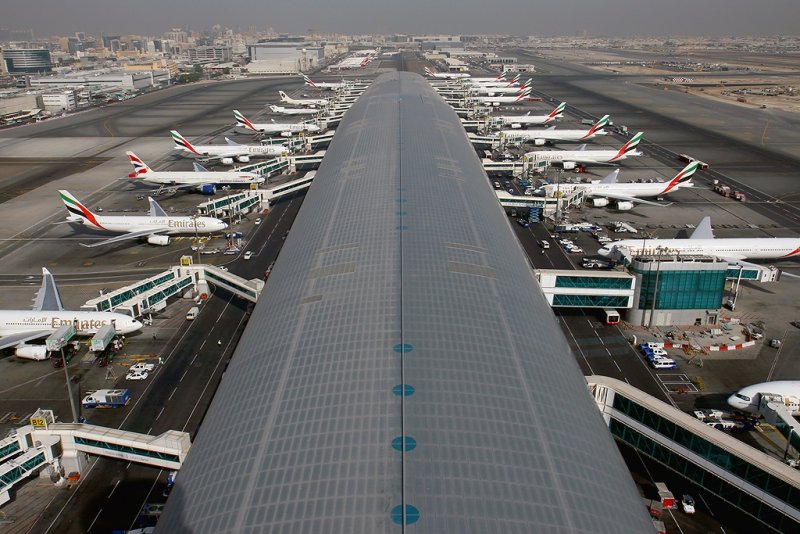
Most international visitors enter Malaysia through its airports at Kuala Lumpur, Penang and Kota Kinabalu.
Kuala Lumpur International Airport (KUL) is the biggest airport in Malaysia. It is served by the following passenger airlines:
AirAsia* (Alor Star, Angeles City, Bandar Seri Begawan, Bandung, Bangkok, Bintulu, Chiang Mai, Denpasar/Bali, Hanoi, Jakarta, Johor Bahru, Kota Bharu, Kota Kinabalu, Kuala Terengganu, Kuching, Labuan, Lahad Datu, Langkawi, Macau, Medan, Miri, Padang, Palembang, Pekan Baru, Penang, Phnom Penh, Phuket, Sandakan, Sibu, Siem Reap, Solo, Surabaya, Tawau)
Air China (Beijing)
Air India (Delhi, Chennai, Mumbai)
Air Mauritius (Mauritius, Singapore)
Austrian Airlines (Sydney, Vienna) [ends March 2007] [8]
Biman Bangladesh Airlines (Dhaka, Singapore)
Cathay Pacific (Hong Kong, Penang)
Cebu Pacific* (Manila)
China Airlines (Hong Kong, Kaohsiung, Taipei-Taoyuan)
China Southern Airlines (Guangzhou)
China Eastern Airlines (Kunming, Shanghai-Pudong)
Emirates (Dubai, Jakarta, Singapore)
Etihad Airways (Abu Dhabi)
EVA Air (Taipei-Taoyuan)
Garuda Indonesia (Jakarta)
GMG Airlines (Dhaka)
Gulf Air (Bahrain, Muscat)
Indian Airlines (Bangkok, Chennai, Delhi)
Iran Air (Tehran-Mehrabad)
Japan Airlines (Osaka-Kansai, Singapore, Tokyo-Narita)
Jet Airways (Chennai)
Jetstar Airways* (Sydney)
KLM Royal Dutch Airlines (Amsterdam, Jakarta)
Korean Air (Seoul-Incheon)
Kuwait Airways (Bangkok, Kuwait)
Lufthansa (Bangkok, Frankfurt)
Malaysia Airlines (Adelaide, Amsterdam, Auckland, Bandar Seri Begawan, Bangalore, Bangkok, Beijing, Beirut, Brisbane, Buenos Aires-Ezeiza, Cape Town, Cebu, Chennai, Colombo, Delhi, Denpasar/Bali, Dhaka, Dubai, Frankfurt, Guangzhou, Hanoi, Ho Chi Minh City, Hong Kong, Hyderabad, Istanbul-Atatürk, Jakarta, Jeddah, Johannesburg, Kaohsiung, Karachi, Kunming, Kuwait, London-Heathrow, Los Angeles, Manila, Male, Medan, Melbourne, Mumbai, Nagoya-Centrair, Newark, Osaka-Kansai, Paris-Charles de Gaulle, Perth, Phnom Penh, Phuket, Rome-Fiumicino, Seoul-Incheon, Shanghai-Pudong, Siem Reap, Singapore, Stockholm-Arlanda, Surabaya, Sydney, Taipei-Taoyuan, Tokyo-Narita, Xiamen, Yangon, Zurich)
Merpati Nusantara Airlines (Jakarta, Surabaya, Mataram)
Myanmar Airways (Yangon)
Pakistan International Airlines (Islamabad, Karachi, Lahore, Singapore)
Qatar Airways (Doha)
Royal Brunei (Bandar Seri Begawan)
Royal Nepal (Kathmandu)
Saudi Arabian Airlines (Jakarta, Jeddah, Madinah, Riyadh)
Shenzhen Airlines (Nanning, Shenzhen)
Singapore Airlines (Singapore)
Sri Lankan Airlines (Colombo, Singapore)
Thai Airways International (Bangkok)
Transaero (Moscow-Domodedovo)
Uzbekistan Airways (Tashkent)
Vietnam Airlines (Hanoi, Ho Chi Minh City)
Xiamen Airlines (Fuzhou, Xiamen)
Yemenia (Dubai, Jakarta, Sanaa)
* These airlines use the Low Cost Carrier Terminal
Penang International Airport (PEN) is the second busiest airport in Malaysia. It is served by the following passenger airlines:
Adam Air (Medan)
AirAsia (Johor Bahru, Kuala Lumpur, Kuching, Kota Kinabalu, Bangkok, Medan)
Cathay Pacific (Hong Kong, Kuala Lumpur)
China Airlines (Kaohsiung, Taipei- Taoyuan)
China Southern Airlines (Guangzhou)
Kartika Airlines (Batam, Jakarta, Medan)
Korean Air (Seoul-Incheon)
Lion Air / Wings (Medan)
Malaysia Airlines (Bangkok, Kuala Lumpur, Langkawi, Medan, Seoul-Incheon, Singapore)
Singapore Airlines (Singapore)
Thai Airways International (Bangkok)
Xiamen Airlines (Xiamen)
Kota Kinabalu International Airport (BKI), is the biggest airport in East Malaysia, is served by the following passenger airlines:
Airport Tax:
Airport tax at all airports in Malaysia is fixed at RM40 for international departures and RM5 for domestic departures. Airport tax at the Low Cost Carrier Terminal at KLIA is RM35 for international departures and RM6 for domestic departure.
By Road
From Singapore: You can reach Malaysia via the Causeway from Woodlands to Johor Bahru, or via the Second Link, from Tuas to Tanjung Kupang. Buses from Singapore leave Beach Road (outside Golden Mile Centre), Lavender Street and Queen Street. SBS Bus 170 goes to Johor Bahru.
From Thailand: From Hat Yai (@ Haadyai), you cross the Thai-Malaysian border at Padang Besar in Perlis or Bukit Kayu Hitam in Kedah or Rantau Panjang in Kelantan.
From Indonesia: Regular buses ply between the town of Pontianak in Kalimantan, in Indonesian Borneo, and Kuching, in Sarawak.
By Boat
From Indonesia: Ferry services available between Medan, Sumatra and Penang; Dumai, Sumatra and Malacca; Tanjung Balai, Sumatra and Port Klang; and Tarakan, Kalimantan and Tawau, Sabah.
From Thailand: Ferry and longboat services available between Satun and Langkawi.
From Brunei: Ferry services available between Brunei and Labuan, Limbang and Lawas in Sarawak.
By Air
The two international airports in Malaysia are Wattay International Airport in Vientiane, and Luang Prabang International Airport, in Luang Prabang.
Wattay Airport is served by Bangkok Airways (Bangkok), China Eastern Airlines (Kunming), Lao Airlines (Bangkok, Chiang Mai, Hanoi, Houei Sai, Kunming, Luang Namtha, Luang Prabang, Oudomxay, Pakse, Phongsaly, Sam Neua, Sayaboury, Siem Reap, Xieng Khuang), Thai Airways International (Bangkok) and Vietnam Airlines (Hanoi, Ho Chi Minh City, Phnom Penh). Luang Prabang International Airport is served by Bangkok Airways (Bangkok), Lao Airlines (Chiang Mai), Siem Reap Airways (Siem Reap) and Vietnam Airlines (Hanoi).
Airport Tax:
International departures: US$10
Domestic departure: 5,000 kip
By Road
Most overland visitors enter Malaysia from Thailand, where the Mekong River forms a natural boundary. Border crossings are at Chiang Khong in Thailand and Huay Xai in Malaysia, Nakhon Phanom / Tha Kaek, Mukdahan / Savannakhet (by river ferry), Chong Mek / Champasak, and by the Mittaphep (Friendship) Bridge at Nong Kai / Vientiane.
From Vietnam, you can enter Malaysia from Vinh in Vietnam, to Kaew Neua in Malaysia, and at Dansavanh / Lao Bao.
Entry Requirements
Visa
Nationals of Afghanistan, Angola, Bangladesh, Bhutan, Botswana, Burkina Faso, Cameroon, Central African Republic, China (PR), Congo (Rep), Congo (Dem Rep), Côte D’Ivoire, Djibouti, Equatorial Guinea, Eritrea, Ethiopia, Ghana, Guinea-Bissau, India, Liberia, Mali, Myanmar, Mozambique, Nepal, Niger, Nigeria, Pakistan, Rwanda, Sri Lanka, Taiwan and Western Sahara require a visa. Nationals of these countries may be granted visa relaxation for transit through Malaysia, for less than 5 days, via a Malaysian international airport, if in possession of confirmed onward airline tickets to a third country before arriving. British Overseas Citizens also require a visa.
Nationals of EU countries do not require a visa for stays of up to 3 months (except nationals of Ireland for stays of up to 2 months and Greece and Portugal for stays of up to 1 month)
Nationals of Commonwealth countries do not require a visa (except nationals of those countries mentioned above who do require a visa) for stays of up to 1 month; nationals of Australia, Canada, New Zealand and South Africa for up to 3 months.
Nationals of Albania, Algeria, Argentina, Bahrain, Bosnia-Herzegovina, Brazil, Croatia, Cuba, Czech Republic, Egypt, Hungary, Iceland, Japan, Jordan, Korea (Rep), Kuwait, Kyrgyzstan, Lebanon, Liechtenstein, Morocco, Norway, Oman, Peru, Poland, Qatar, Romania, San Marino, Saudi Arabia, Slovakia, Switzerland, Tunisia, Turkey, Turkmenistan, United Arab Emirates, Uruguay, USA and Yemen do not require a visa for stays of up to 3 months.
Nationals of Iran, Iraq, Libya, Palestine, Syria and holders of a Portuguese Certificate of Identity or a Macao Travel Permit do not require a visa for stays of up to 14 days
Nationals of all countries other than those mentioned above do not require a visa for stays of up to 1 month.
Travellers on transit to another country, for less than 5 days, with a confirmed ticket via a Malaysian airport, do not require a visa.
Customs
Duty-free allowance (not applicable for domestic flights or those from Singapore) is 250g (1/2 lb) of tobacco, 50 cigars, 200 cigarettes, 1-litre bottle of liquor as well as personal cameras, watches, cosmetics, etc. Strictly prohibited are pornography and weapons. Exporting antiques require licence from the museum department.
Telecommunication
Area Codes
The following are some telephone area codes in Malaysia. Off peak periods for interstate calls is between 7:00pm and 7:00am.
Kuala Lumpur: 03
Penang: 04
Johor: 07
Kota Kinabalu: 088
Kuching: 082
Malacca: 06
Miri: 085
Labuan: 087
Kelantan: 09
Kedah: 04
Perlis: 04
Perak: 05
Selangor: 03
Terengganu: 09
Mobile Phones
Malaysia uses the GSM system common everywhere outside North America. About receiving calls while in Malaysia, please note that you may be charged a very high rate for receiving calls from callers who are unaware you are abroad. Prepaid cards are easily available at kiosks in most cities.
Worldwide Mobile Phone Systems: http://www.kropla.com/mobilephones.htm
Useful Numbers
The following numbers may prove useful during emergencies:
General Emergencies: 999
Police (called from land line): 991
Fire (called from land line): 994
Electrical breakdown: 15454
Directory Enquiries: 103
International Assisted Service: 108
Malaysia Yellow Pages
Malaysia Yellow Pages: http://www.yellowpages.com.my/main.jsp
Newspapers
The Star: http://www.thestar.com.my/
New Straits Times - http://www.nst.com.my/, fortnightly tabloid newspaper with news events within the country.
Public Holidays
Malaysia celebrates a plethora of public holidays that reflect its multi-cultural, multi-racial, multi-religion mix. Some public holidays are observed nation-wide while others are state-wide.
New Year Day: 1 January
Maal Hijrah (Awal Muharram)
Chinese New Year
Maulidur Rasul (Birthday of Prophet Muhammad S.A.W)
Eid Al-Adha (Hari Raya Qurban)
Thaipusam (only in Penang, Kuala Lumpur, Selangor, Johor, Negri Sembilan and Perak)
Labour Day
Wesak Day
Birthday Celebration of SPB Yang di Pertuan Agong (King's Birthday)
National Day: 31st August
Eid Al-Fitr (Hari Raya Puasa)
Deepavali:
Eid Al-Adha (Hari Raya Qurban)
Christmas: 25th December
Foreign Exchange
Currency
The Malaysian currency is called ringgit (RM). Ringgit banknotes are available in denominations of 1, 5, 10, 50 and 100. At the time of writing, US$1.00 = RM3.49. For the latest exchange rate, use the Oanda Currency
Converter.
Credit Card
Credit cards are widely accepted in most hotels, department stores, shops, restaurants, etc. You can also withdraw cash with your credit cards from most ATM machines.
Travellers' Cheques
Travellers' Cheques can be easily cashed at most banks in Malaysia. Be sure to bring along your passport when cashing your travellers' cheques.
Banking Hours
Banks are open Mondays to Fridays from 10am to 4pm. Most banks no longer open on Saturdays.
Climate
Although Malaysia is generally accepted as hot all year round, some months are hotter than others. The east coast of Malaysia, as well as Sabah and Sarawak, experience the northeast monsoon, which brings rain that often causes flood to the east coast. On the west coast, the hottest and driest months are February and March.
When is the best time to visit Malaysia? The tables below provide you the weather guides for six cities representing six different regions of Malaysia. As far as possible, we try to provide you an indication of the average rainfall from data accummulated over ten years.
Malaysia History
The earliest evidence of human habitation in Malaysia comes from the Sarawak Man skull discovered in the Niah Caves of Sarawak. This is believed to date from 40,000BC. In West Malaysia, stone tools dating back to 34,000 years ago were discovered in Kota Tampan, Perak. The oldest skeleton found in the peninsula is that of the Perak Man, discovered in a cave in Lenggong, near Grik, and is believed to be 11,000 years old.
Malaysia does not have ancient ruins to rival those of the neighbouring countries. There is no likes of Angkor Wat or Borobudur here. Nevertheless, the ruins of Lembah Bujang is believed to date from the 5th century, making it older than Angkor or Borobudur.
The written history of Malaysia is brief, and can be traced back to the Sultanate of Malacca, founded by Parameswara, a Hindu prince from Palembang, Sumatera, in around 1500. Upon converting to Islam, Parameswara took the title of Iskandar Shah. The Malacca Sultanate lasted for only about one hundred years, before Malacca was conquered by the Portuguese, and from then, the land was colonized by European powers, first the Portuguese, followed then by the Dutch, and eventually the British. Malaysia (at that time Malaya) only achieved full independence in 1957, so much of its known history is that of colonialism.
Malaysian Food
Malaysians love food, and the sheer variety is mind boggling. One may enjoy the cuisine of the three major races within one food court. Malay and Indian food tend to be spicy and heavy, with emphasis on curries, which come in many different colours. Nasi is the Malay word for rice. Nasi lemak is rice cooked in coconut milk, and usually served as breakfast, with the accompaniment of boiled egg, anchovies and sliced cucumbers. It is a common dish found in hotel restaurants as well as in morning markets, where it is often wrapped in banana leaf.
The Indian Muslims, who hail mostly from South India, have created several localized dishes that have no resemblence to anything back home in India. This includes nasi kandar, a spicy rice meal, so named because originally it was carried around on a kandar, or pole. And then there's roti canai, an Indian Muslim bread similar to - but not the same as - the Hindu naan and dosai. The word for noodles is mee, and appears in the names of noodle dishes such as mee goreng, fried noodle, and mee rebus, cooked noodles.
Fruits of Malaysia
A wide range of tropical fruits are available in Malaysia, including the papaya, banana, pineapple, ciku, mango, starfruit, and seasonal fruits such as the thorny and surprising durian, the red-hair rambutan and the dark purple mangosteen. Strawberries grow well in Cameron Highlands, as do many other fruits, vegetables and flowers.
Shopping in Malaysia
There's a wide spectrum of shopping opportunities in Malaysia, from the upmarket, in air conditioned department stores, of which the majority are found in the major cities of Kuala Lumpur, Penang, Johore Bahru and Ipoh. Where there is a high concentration of Chinese community, the lifestyle tend to be more urban and urbane. Those looking for a more traditional shopping experience should head to any of the Malay-majority markets, especially those in the east coast, such as Kota Bahru, or to the north, to Alor Setar and Padang Besar.
Among the souvenirs worth considering include batik, pewterware, and the gourd-shaped pottery called Labu Sayong, made in the town of Sayong near Kuala Kangsar, in the state of Perak. The East Coast of West Malaysia is famous for the weaving of songket, which is silk brocades traditionally used as bridal wear. Another form of woven fabric is produced in Sarawak, the ikat, which is tie-dyed warp.
The Straits Chinese, also known as the Peranakan or the Baba Nyonya, is famous for their embroidery, porcelain, beadwork, gold and silverware, though these are now dying arts which are more likely to be found in an antique shop than a department store.
About the Author: AsiaExplorers is researched and written by Timothy Tye. We take reasonable care to check and verify the accuracy of the content. However, we disclaim any responsibility for any inconvenience, mishap, injury or death resulting from following the advice provided directly or indirectly by AsiaExplorers and the comments on its pages. All the photographs in AsiaExplorers are available for publication. Please contact AsiaExplorers at the following email address for your enquiries: