Ayeyarwady River (Irrawaddy River)
Main river of Myanmar (Burma)
Your base for exploring this tourist attraction is the heritage city of Mandalay. For travel information about Mandalay, go to Mandalay Travel Guide. To prepare for a trip to Myanmar, read also the Myanmar Travel Guide. Looking for budget accommodation there? Use AsiaExplorers Budget Accommodation Guide, the no-frills website to cover your budget accommodation needs.
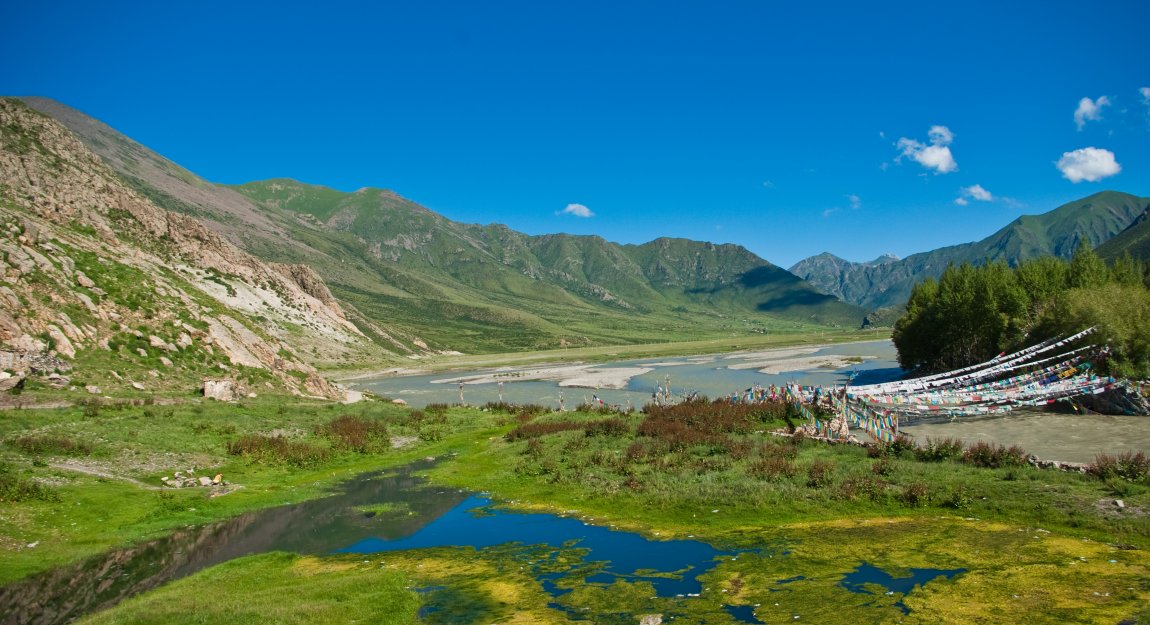
From the Himalayas, the Ayeyarwady River (also written Ayeyarwaddy, and formerly the Irrawaddy River)flows on a 2170km course before fanning into a delta, and eventually emptying into the Andaman Sea. Along the way the Ayeyarwady enriches the soil, allowing for a population to thrive and a civilisation to emerge. When the British referred to the "Road to Mandalay", they were speaking of the Ayeyarwady River. The Ayeyarwady River has been Myanmar's major transportation route, then as it is today.
It is fascinating to note how a single river can have far-reaching impact on the daily life of the people of a nation. I saw it with the Mekong in Cambodia, the Chao Phraya in Thailand, and here, the Ayeyarwady.
Service with a smile on the Ayeyarwady River Cruise.
Following the Ayeyarwady will take you through the full range of Myanmar's climatic zones. In the flat 240km-wide delta, you find vast irrigated paddy field. Further up, you encounter the ancient ruins of Sri Ksetra, near Bago, and then Bagan. At Bhamo, which is the furthest navigable point, the Ayeyarwady River enters the Shan Plateau. Beyond that, the Ayeyarwady continues upwards into the Kachin Hills and to the foot of the Himalayas.
Tim's Ayeyarwady River Travelogue, 23 November, 2003
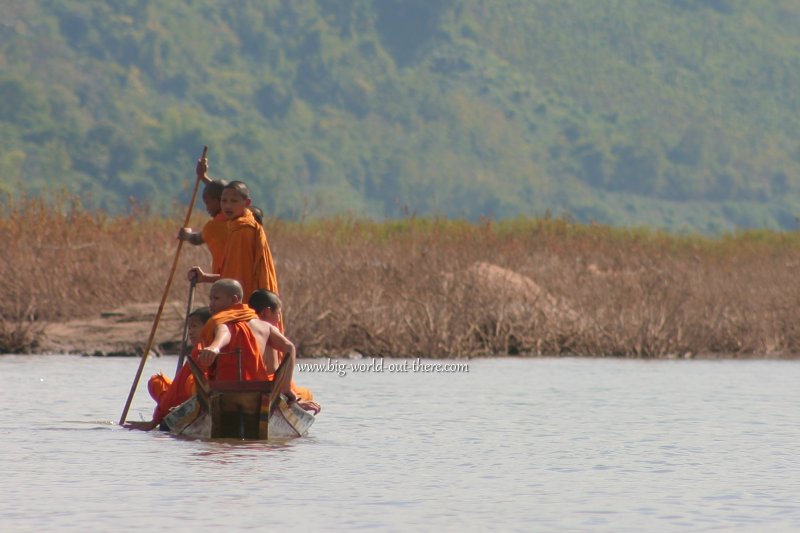
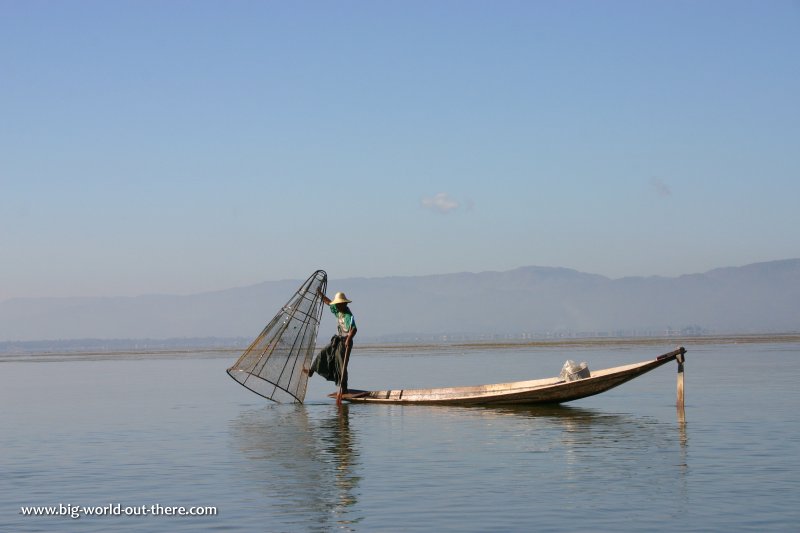
We had the pleasure of cruising the Ayeyarwady twice. The first time was from Mandalay to Mingun and back. That was an hour-long journey. Our second trip on the Ayeyarwady took a good part of an entire day, from Mandalay all the way to Bagan. We started the trip at early morning, and even after the sun came out, it was extremely cold. We passed the mighty Inwa Bridge, built by the British in 1934 to connect Inwa on the east bank with Sagaing on the west. Lone fishermen passed us in their canoes. We saw farmers ploughing their fields with oxen by the banks of the Ayeyarwady, much the same way as had been done here for generations. At Sagaing, we saw the plethora of temples that dot the hills.
After a few hours, it gets dull staying outside. We tried to kill time by reading, sleeping, loafing. Lunch was on board. Tables were lined up and we had a good spread, complete with fruits for dessert. By the time we arrived in Bagan, it was late afternoon, around 4:30pm.
The British-built Inwa Bridge crosses the Ayeyarwady River.
A closer view of the Inwa Bridge as it crosses the Ayeyarwady River.
Village by the banks of the Ayeyarwady.
The sight of ancient ruins signal our arrival at Bagan.
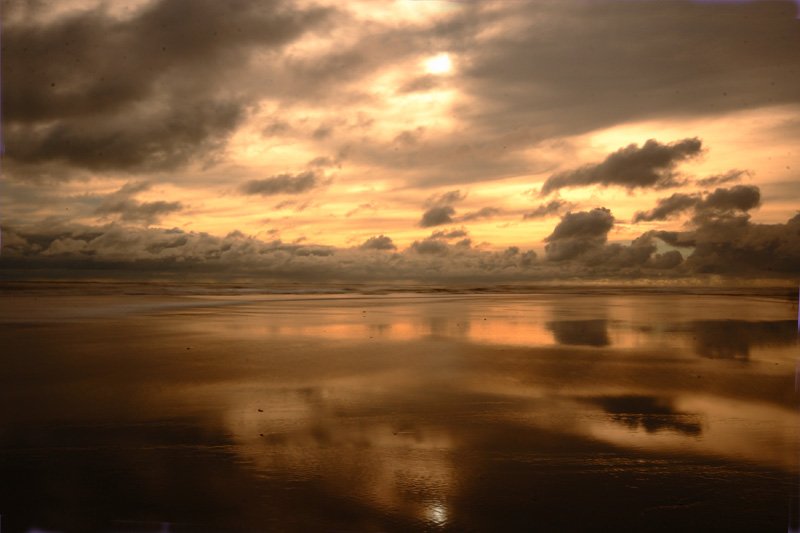
Henry, our tour guide, watches the sun as it sank under the horizon.
About the Author: AsiaExplorers is researched and written by Timothy Tye. We take reasonable care to check and verify the accuracy of the content. However, we disclaim any responsibility for any inconvenience, mishap, injury or death resulting from following the advice provided directly or indirectly by AsiaExplorers and the comments on its pages. All the photographs in AsiaExplorers are available for publication. Please contact AsiaExplorers at the following email address for your enquiries: