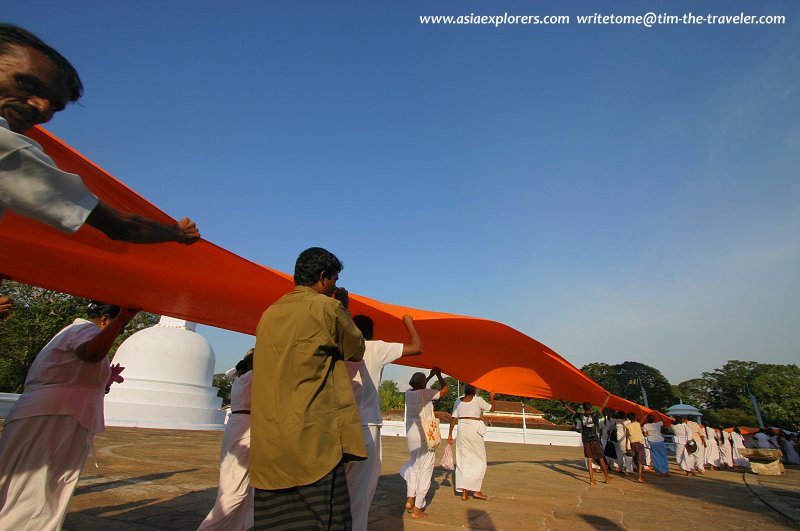
Shwezigon Pagoda
Bagan


Your base for exploring this tourist attraction is the heritage city of Bagan (formerly called Pagan). For travel information about Bagan, go to Bagan Travel Guide. To prepare for a trip to Myanmar, read also the Myanmar Travel Guide. Looking for budget accommodation? Use AsiaExplorers Budget Accommodation Guide, the no-frills website to cover your budget accommodation needs.


Shwezigon Pagoda is located in the town of Nyaung U, four miles to the northeast of Bagan. According to historical accounts, the Shwezigon Pagoda was built by King Anawrahta to enshrine the relics of the Buddha. King Anawrahta has requested a copy of the Tooth Relic from Sri Lanka. When the relic arrived in Bagan, the king himself descended neck-deep into the river to receive it. He carried it to his palace, intending it for his private worship. However, the monk Shin Arahan, from whom King Anawrahta had learned about Theravada Buddhism, advised him that he should build a pagoda to enshrine the relic, so that it will benefit men, devas and brahma gods.


Shwezigon Pagoda, Bagan.


Accepting this advise, the king placed the relic on the bank of his white elephant and set the animal free. Where the white elephant bow down, that was the spot where the Tooth Relic will reside. However, the king was rather discontented when the white elephant decided to bow down at a sand bank a distance from the city of Bagan. According to legend, the lord of the gods caused the king to have a dream, and in the dream, he saw the sand bank transform into solid stone.

The Shwezigon Pagoda is a solid stupa. Although it was begun by King Anawrahta, the king died before Shwezigon was completed. His son King Kyansittha (1084-1113) finished it in around 1086-1090. Although several later kings repaired it, the Shwezigon retains its original shape and is the prototype for later Bagan pagoda.

The Shwezigon Pagoda is 160 feet high and 160 feet wide at the base. The Shwezigon has three square receding terraces and an intermediate octagonal base which provides a transition from the square of the terraces to the circle of the bell-shaped dome. Above the dome, the Shwezigon is decorated with a bold waist-band in the middle and with loop pendants on the shoulder, rises a ringed conical spire, which has an intervening double lotus before ending in an ovoid finial. A hti or umbrella, symbol of sovereignty, crowns the structure. The entire structure is plated with gold.


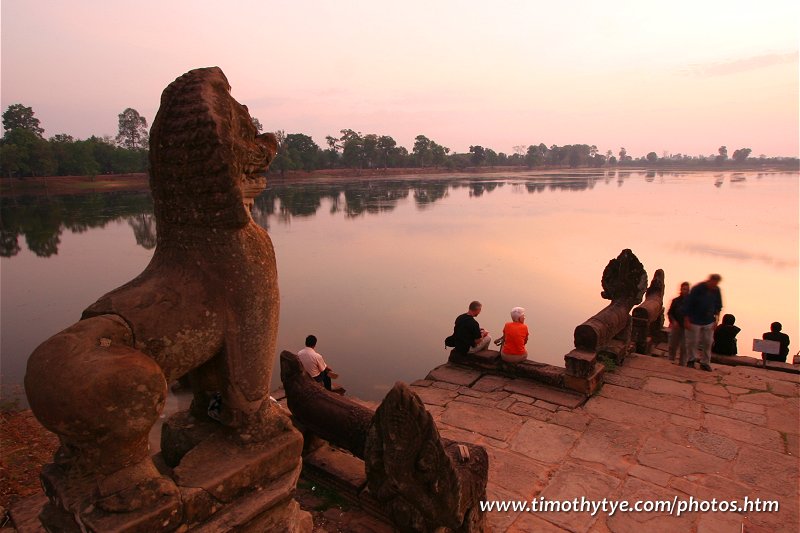
Medial stairways with makara (sea monster) balustrades provide access to the terraces of the Shwezigon pagoda on each of the four sides. On the upper most terrace of the Shwezigon are small stupas at the four corners. In addition, there are smaller stupas in the shape of kalasa pots symbolizing fertility and prosperity at the corners of all three terraces. Bicorporate lions guard the corners at the base of the lowermost terrace.


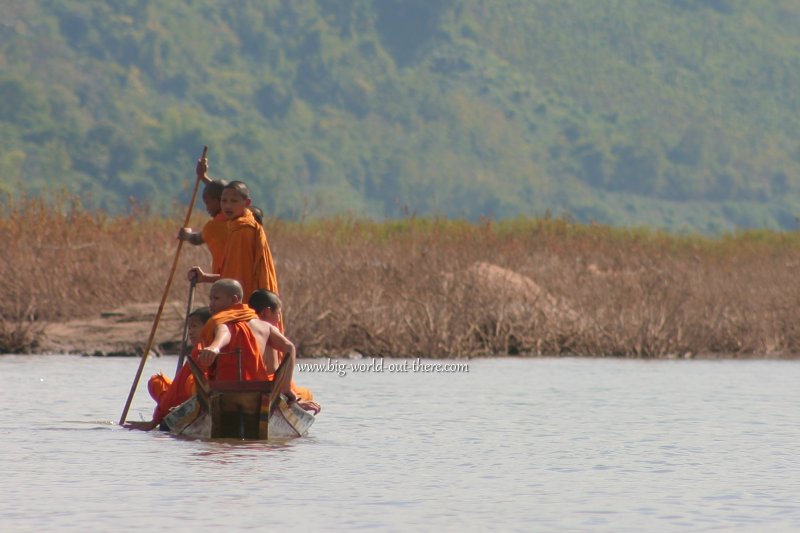
Monk with alms bowl, Shwezigon Pagoda.


Bagan

Exploring the Sights in Bagan

Bagan was one of the first capitals of an ancient Burmese empire. Today it is one of the world's major heritage sites. Click enter to view the sights in Bagan.


Sights of Bagan


Expedia.com


Copyright © 2003-2008 AsiaExplorers.  All rights reserved.

About the Author: AsiaExplorers is researched and written by Timothy Tye. We take reasonable care to check and verify the accuracy of the content. However, we disclaim any responsibility for any inconvenience, mishap, injury or death resulting from following the advice provided directly or indirectly by AsiaExplorers and the comments on its pages. All the photographs in AsiaExplorers are available for publication. Please contact AsiaExplorers at the following email address for your enquiries: