Yangon is an ancient city but a relatively newcomer to Myanmar history. It never played a major role in Myanmar history, not until the British made it the capital. In fact, its history is a reflection of the history of the Shwedagon itself.
According to legend, the founding of Shwedagon reaches back to the days of the Enlightenment of Gaudama Buddha when He discovered the cause of universal suffering and the way to its elimination. It was on the 49th day after the Enlightenment when two brothers, Taphussa and Bhallika, merchants from Ukkalapa in the land of Mon people in Lower Myanmar, came before Buddha. A nat (spirit) who had been the mother of the two brothers in a previous existence had guided them to the Buddha. The brothers offered honey cakes.
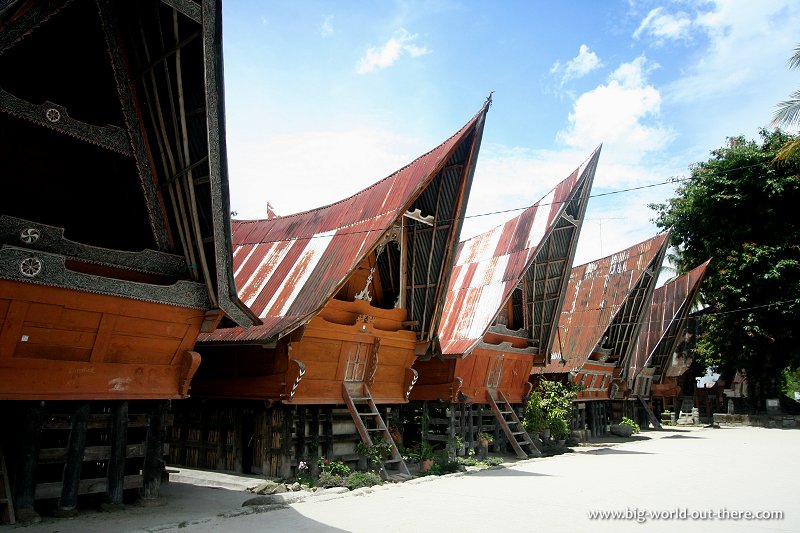
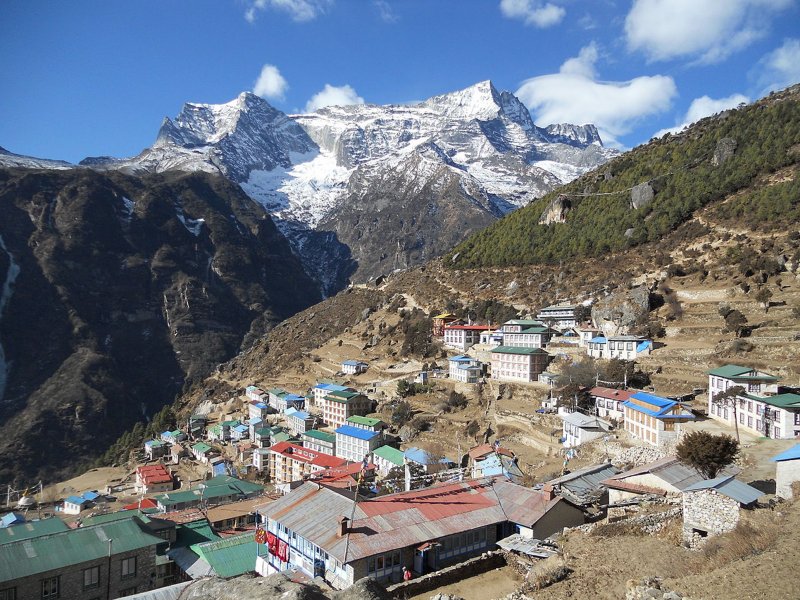
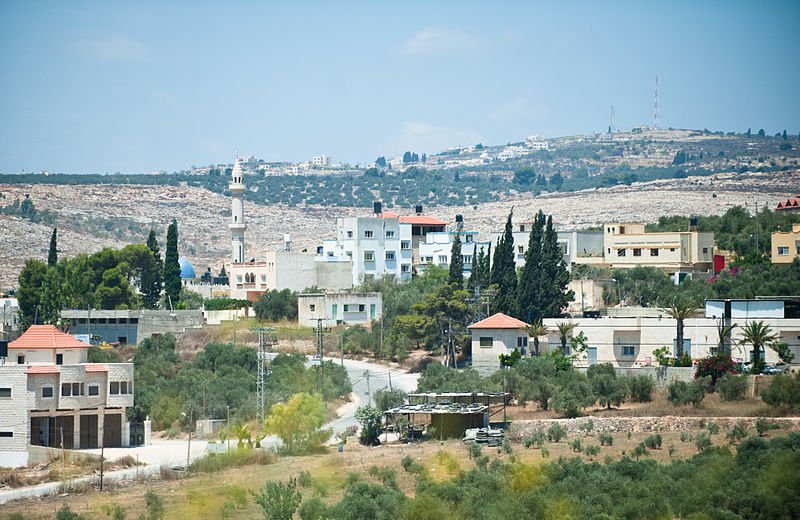
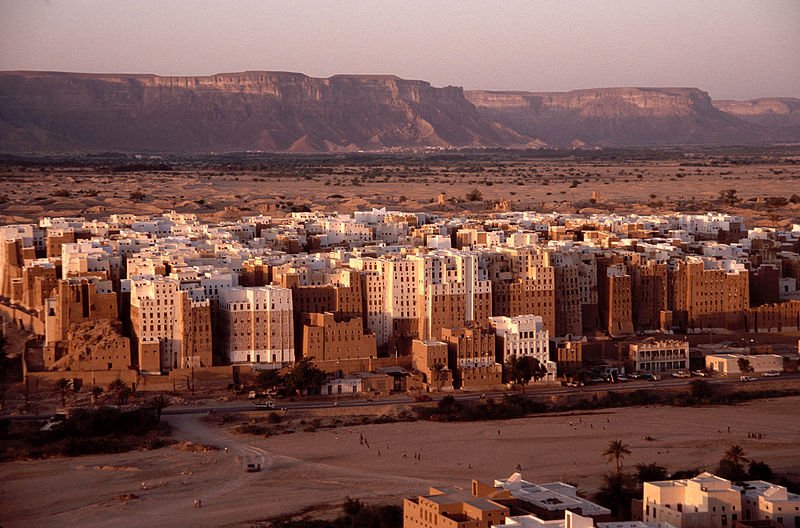
Housing in Yangon.
After Buddha had eaten the cakes, the brothers asked for gift. Buddha passed His hand over His head and, obtaining eight Hairs, gave them to the brothers. Buddha, perceiving that the three previous Buddhas had caused their possessions to be enshrined in a pagoda on Singuttara hill in the country of the two brothers, bade them to do likewise with the Sacred Hairs.
Yangon was founded by King Alaungpaya in 1755, when he captured the village of Dagon from the Mon people. He called the settlement Yangon, which means, "the end of the fighting."
The British created a grid system for the roads which outlasts their administration. Today, some of the handsome colonial buildings still stand today in the heart of Yangon.
Yangon Geography
Yangon is surrounded on three sides by water. The Yangon River (also called the Hlaing) flows from Bago Yoma (Pegu Hills) down Yangon's western and southern flanks. It empties into the Gulf of Mottama (Martaban) about 30 km from Yangon. To the east flows the Pazundaung Creek, a tributary of the Hlaing. To the north are the foothills of Bago Yoma. The Shwedagon is built here. The British also created a few artificial lakes that today in the centre of Yangon's residential district.
History of Yangon
Formerly known as Muang Tranom, the town of Yangon was founded as early as the Ayutthaya era, during the reign of King Ramathibodi I (aka King U-thong) 800 years ago (refer to History of the Kingdom of Ayutthaya). It was a major navigation and sea-trade centre and a centre for Buddhist cultural arts. The name of the town was later changed to Panom and Khao Nom and lastly Yangon.
During the reign of King Rama V, Yangon became a village under the jusdiction of Ta-saala District. In 1959 it was elevated to district level under the jurisdiction of Nakhon Sri Thammarat province.
Capital of Myanmar
In November 2005, the ruling junta abruptly began to relocate the capital of Myanmar to Naypidaw, in Pyinmana, Mandalay Division, central Myanmar. The official name of the capital was announced on Armed Forces Day on 26 March 2006.
Botataung Pagoda
Kyaukhtatgyi Buddha
Shwedagon
Sule Pagoda
Exploring the places of interest in Myanmar
Let AsiaExplorers take you to the many wonderful sights in Myanmar. The sights are grouped according to cities, so that you can use this guide when you explore them in person. Click enter to view.
All photographs appearing in AsiaExplorers are copyrighted and available for licensing. If you are interested to use any of them, please click here for details.
AsiaExplorers takes every reasonable care to check and verify the content on this website. However we disclaim any responsibility for any inconvenience, mishap, injury or death resulting from following the advice provided directly or indirectly by AsiaExplorers and the comments on its pages. All the photographs in AsiaExplorers are available for publication. Please contact AsiaExplorers at this email address for your enquiries.