Pashupatinath
Temple of the Lord of Animals, Kathmandu, Nepal


This sight is located in/within the city of Kathmandu. For useful travel information on Kathmandu, read the Kathmandu Travel Guide. To prepare for your trip to Nepal, read the Nepal Travel Guide. It's all free for you!


Pashupatinath is the most sacred Hindu temple in Nepal, and one of the four most important Shiva shrines in the Indian subcontinent. I explored it with a few friends and am documenting it here for AsiaExplorers. Pashupatinath is located in Deopatan, on the eastern part of Kathmandu, in Nepal. Pashupatinath is dedicated to Shiva, the Hindu destroyer and creater deity, one of the many gods in the Hindu pantheon. Shiva goes by many names including Bhairav (the cruel), Mahadeva (the great god), and Pashupati (lord of the animals). Thus Pashupatinath means Temple of the Lord of Animals.
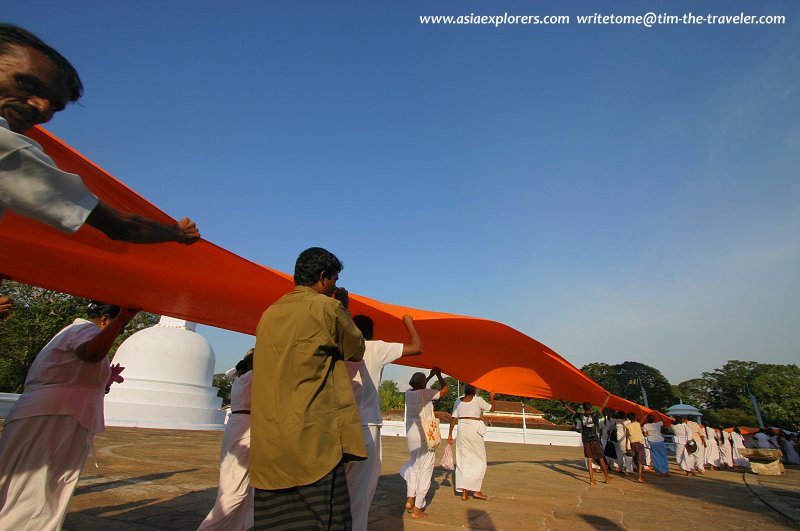
Pashupatinath is renowned among foreign tourists because it is one of the places where they can watch cremations in progress. There are many cremation ghats at Pashupatinath, and they are all along the Bagmati river. There is even a royal ghat reserved specially for the use of the Nepal royal family. At any time of the day, visitors to Pashupatinath can view a cremation in progress. In the olden days, wives would perform sati, ritual suicide, by leaping into the flames of their husband's funeral pyre and burn themselves to death. This practise has been outlawed since the early 20th century.


Dharmsalas, or pilgrim resthouses, on the slope leading down to the Bagmati River at Pashupatinath.


The main temple at Pashupatinath is a large, gilded, triple-roofed structure built in 1696, on a site occupied for religious activities for a thousand years. Although non-Hindus are forbidden from entering this main temple, there is ample photo opportunities all around Pashupatinath. All along the Bagmati river are dharmsalas, or pilgrim resthouses. These are ornate stone shrines along the steps leading down to the riverside, on the opposite bank from the cremation ghats. One often come across sadhus, or holy men, with their dreadlocks. Many look simply fearsome, but not all are genuine - some are simply imposters dressed as holy men to earn the tourist dollars.

The busiest and most colourful time at Pashupatinath is around the months of February and March, to be precise, on Shivaratri, or the birthday of Shiva, when pilgrims and sadhus from all over converge on Pashupatinath. Another time for great photography opportunity is during the festival of Teej, around September or October, when Hindu ladies in red and gold saris come for ritual bathing in the Bagmati River.

Pashupatinath is recognised as one of the seven Unesco World Heritage Sites in the Kathmandu Valley. During the 27th session of the World Heritage Committee in July 2003, however, the site was placed on the List of Unesco World Heritage in Danger, because the traditional elements of heritage had been partially or significantly lost since the time of inscription, resulting in a loss of authenticity of the property.


How to go to Pashupatinath

Pashupatinath is located on the eastern part of Kathmandu, by the banks of the Basmati River. The best way to visit it is to hire a taxi or ricksaw to take you there.


Pashupatinath Photo Gallery


Sadhus, or holy men, taking a nap under a sheltered pavilion.


Staircase going up to the Shiva Temple, the holiest temple in Nepal.


The Bagmati River with the cremation ghat on the left.


View of the ghats along the Bagmati river.


Grab this swicki from eurekster.com


Copyright © 2003-2008 AsiaExplorers.  All rights reserved.

About the Author: AsiaExplorers is researched and written by Timothy Tye. We take reasonable care to check and verify the accuracy of the content. However, we disclaim any responsibility for any inconvenience, mishap, injury or death resulting from following the advice provided directly or indirectly by AsiaExplorers and the comments on its pages. All the photographs in AsiaExplorers are available for publication. Please contact AsiaExplorers at this email address for your enquiries.