Manila, Philippines Travel Guide
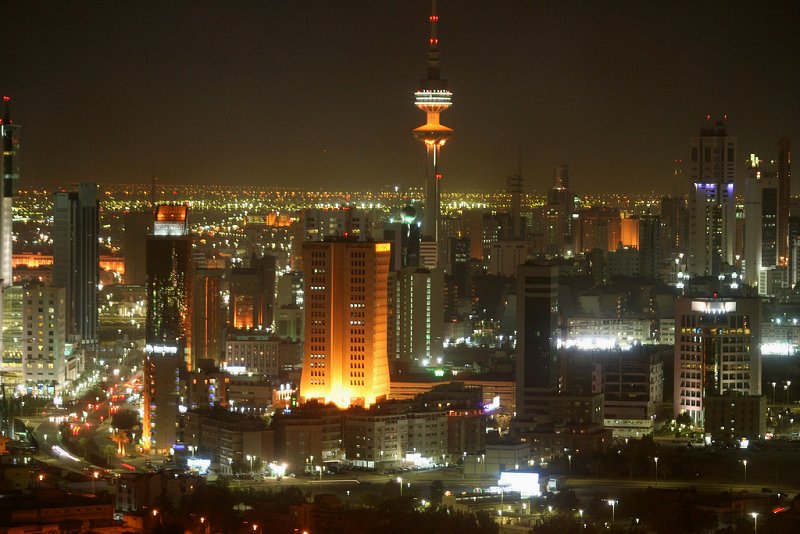
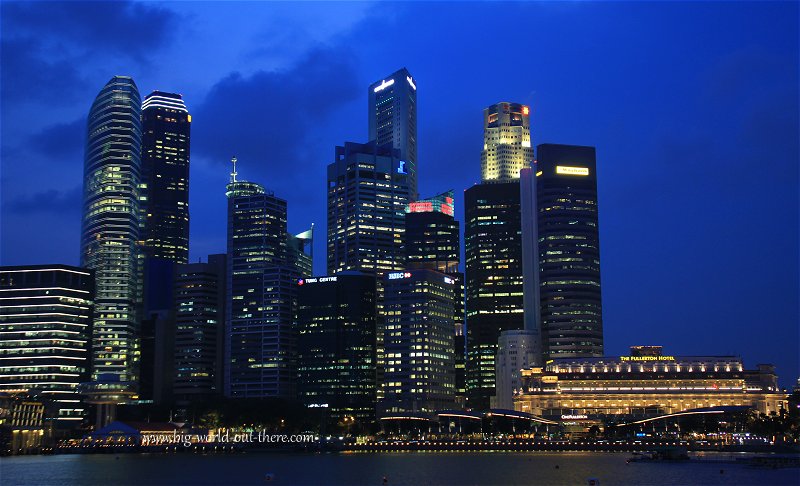
 Manila Bay at night Author: Vanessa David (Creative Commons Attribution 2.0 Generic)
Metropolitan Manila is the biggest metropolitan area in the Philippines. Composed of 16 distinct cities, it has a population of 12 million people. The biggest city in Metro Manila is Quezon City, with a population of 2.6 million, and the City of Manila, with 1.6 million inhabitants. The other cities within Metro Manila are Caloocan, Las Piñas, Makati, Malabon, Mandaluyong, Marikina, Muntinlupa, Navotas, Pasay, Pasig, Parañaque, San Juan, Taguig, Valenzuela and the municipality of Pateros.
Guide to Metro Manila Hotels
Here's a list of hotels in Metro Manila that you can book online, with full description, star rating, address, location map, evaluation, and prices as offered by different booking sites.
More on Metro Manila
Together, Metro Manila has a total of 11.5 million inhabitants, and accounts for one third of the GDP of the Philippines. If combined with the adjacent provinces of Bulacan, Cavite, Laguna and Rizal, then whole area has around 20 million inhabitants.
 Makati City, Metro Manila Author: j_0_n (Creative Commons Attribution 2.0 Generic)
 Malate Church, Metro Manila Author: Ianfrancisvelasco (Creative Commons CC0)
Manila was established by the Spanish on 24 June, 1571. In the late 19th century, the Province of Manila was created with Intramuros as the capital. Intramuros, which means the "City within the Walls", is today the oldest district of the City of Manila. In 1901, the City of Manila was established, with Intramuros being one of its districts. In 1945, as the Second World War was at the horizon, the City of Greater Manila was created, merging the city and municipal governments of Manila, Quezon City, and a few other municipalities.
President Ferdinand Marcos created the Metropolitan Manila Area in 1975, with the Metropolitan Manila Commission as the administrative body. He appointed his wife Imelda Marcos as its governor. In 1986 President Corazon Aquino changed the structure of the Commission and renamed it the Metropolitan Manila Authority. The mayors of the cities in Metro Manila elect among themselves as chair of the agency.
 Terminal 3, Ninoy Aquino International Airport Author: Eternal dragon (Creative Commons Attribution 3.0 Unported)
In 1995, the Metro Manila Authority became the Metropolitan Manila Development Authority, and the chair of the agency is thereafter appointed by the President without a concurrent elected position as mayor.
Metro Manila is located on a isthmus between Manila Bay to the west and Laguna de Bay to the southeast. The Pasig River connects these two bodies of water, dividing Metro Manila into two parts.
 San Agustin, Manila Author: Anyo Niminus (public domain)
Metro Manila experiences a tropical climate with temperature that is quite uniform throughout the year. Hottest months are from April and July, with the average high temperature at around 34°C, (93°F) while the coldest months are January to March, with the average low at around 21°C (70°F).
The heaviest rain fall in the Metro Manila area in the months of August to September, averaging above 422 mm (16.6 inches). The driest month is March, with only 13 mm (0.51 inches) of precipitation.
 Robinsons Place Manila Shopping Mall Author: Mike Gonzalez (Creative Commons Attribution 3.0 Unported)
Budget Travel to Metro Manila
The Ninoy Aquino International Airport (MNL) is the airport serving Metro Manila. It has three terminals. Terminal 1 is the main international terminal serving most international carriers. Terminal 2 is used by Philippines Airlines while the newly opened Terminal 3 is used by Cebu Pacific and Air Philippines. In addition, the old airport terminal, now called the Manila Domestic Passenger Terminal, is used by a few domestic carriers such as Zest Air, Interisland Airlines and Southeast Asian Airlines.
You can transfer between terminals by shuttle bus. There's one every 15 minutes and the fare is ₱20. It may take 20 minutes to shuttle between terminals, so make sure you provide ample connection time.
 Entrance to Intramuros, Manila Author: P199 (Creative Commons Attribution 3.0 Unported)
Airport departure tax has to be paid in cash at the terminals. It is ₱750 for an international flight and ₱200 for a domestic flight.
You can take the taxi to reach downtown. The rates are fixed according to your destination. Buy a coupon at the taxi counter and then join the queue for the taxi. It costs ₱500-600 for a trip to Metro Manila.
Budget Travel within Metro Manila
The MRT in Manila is the first in Southeast Asia. It is relatively cheap and fast, if somewhat limited, and can get rather congested during rush hours. Taxis are quite affordable. Flag fall at ₱30. Insist on using the meter. The jeepneys are the cheapest form of transport, but you should stay away from it especially at night, due to the high crime rate in the city.
 Pagsanjan Falls, Philippines Author: Angelo Juan Ramos (Creative Commons Attribution 2.0 Generic)
|
Cities of Metro Manila
- City of Manila - national capital
- Caloocan City
- Las Piñas City
- Makati City
- Malabon City
- Mandaluyong City
- Marikina City
- Muntinlupa City
- Navotas City
- Pasay City
- Pasig City
- Parañaque City
- Quezon City
- San Juan City
- Taguig City
- Valenzuela City
- Municipality of Pateros
Places of Interest in Metro Manila
- Intramuros
Oldest district of the City of Manila, with most of its historical buildings.
- Fort Santiago
Defense fortress built by the Spanish conquistador Miguel López de Legazpi.
- Rizal Museum
Museum within Fort Santiago housing the memorabilia of Dr. José Rizal, the Philippine national hero who was executed in 1896.
- Manila Cathedral
Cathedral church of the Roman Catholic Archdiocese of Manila.
- San Agustin Church
Roman Catholic church under the auspices of the Order of St Augustine, a UNESCO World Heritage Site.
- Acuraio de Manila
Manila Aquarium, located at Puerta Real, at the southern entrance to Intramuros.
- Bahay Tsinoy
Museum of the Chinese people in the Philippines.
- Liwasang Bonifacio (Freedom Park)
Public square with statue of Andres Bonifacio, a revolutionary leader.
- Rizal Park
Public park bounded by Roxas Boulevard, venue for Independence Day parades.
- Rizal Monument
Memorial to the Philippine national hero.
- Manila Hotel
Historic hotel which served as General Douglas MacArthur's former headquarters.
- Manila City Museum (Museo ng Maynila)
Museum chronicling the historical development of Manila
- National Museum of the Filipino People
Museum housed in the Greek-style Department of Finance building.
- National Museum
Museum housed in the Old Congress Building.
- Museo Pambata (Children's Museum)
Museum offering entertaining exhibits and activities to children.
- Malate Church
Church dedicated to Our Lady of Remedies, patron saint of women in childbirth.
- Metropolitan Museum of Manila
Museum housing collection of pre-Hispanic gold artifacts and old masters.
- Money Museum
Museum within the Central Bank of the Philippines, with collection of Philippine currency and those of other countries of the world.
- Manila Zoological and Botanical Gardens
One of the oldest zoos in Asia opened in 1959.
- Cultural Center of the Philippines
Also called the CCP Complex, center established in 1969 to promote and preserve Filipino arts and culture.
- GSIS Museo ng Sining
Museum showcasing works by Filipino painters such as Fernando Amorsolo and Hernando Ocampo.
- Coconut Palace
Former Marcos guesthouse.
- Star City
Amusement park in Manila.
- World Trade Center
Facility for exhibitions, conventions and concert venue.
- Redemptorist Church
The National Shrine of Our Mother of Perpetual Help, one of the largest churches in the Philippines.
- Makati City
City within Metro Manila which is the major financial, commercial and economic hub of the Philippines.
- Ayala Avenue
The financial hub of Makati, with tall skyscrapers and gated communities of the affluent.
- Ayala Museum Galleries
Museum housing Philippine art from various historical periods.
- Manila American Memorial Cemetery
Resting place of over 17,200 Allied soldiers.
- Ortigas Center
Another business district of Metro Makati.
- Quezon City
The largest city in Metro Manila.
- Quezon Memorial Circle
27-hectare greenery with orchid farm, Manila Seedling Bank and Ninoy Aquino Parks.
- Chinatown
Chinese enclave with Chinese shops and restaurants.
- Quiapo Church
One of the most popular Roman Catholic churches in the Philippines.
- Bahay Nakpil Bautista
A stone house that was home to four Filipino freedom fighters.
- San Sebastian Church
Reputedly the only prefabricated steel church in the world.
- Malacañang Palace
Office-cum-residence of most Philippine presidents and previous rulers, now housing the Malacañang Museum.
Sights around Manila
- Corregidor Island
Small rocky island at the entrance of Manila Bay.
- San Jose Church in Las Piñas
Church with the world's only bamboo organ.
- Cavite City
City on a hook-shaped peninsula in Manila Bay.
- Tagaytay Ridge
Site for viewing the Taal volcano and its massive crater lake.
- Tagaytay City
Highland city at an altitude of 600 meters, center for growing pineapples, papaya and other tropical fruits.
- Taal Volcano
One of the smallest and most active volcanoes in the world.
- Taal City
Culturally preserved site of the Spanish colonial era with the Basilica of St Martin de Tours, one of the largest Catholic churches in Asia.
- Calamba
Birthplace of Jose Rizal.
- Riceworld Museum
Museum showcasing the history and science of rice cultivation.
- Nagcarlan
Site of a fascinating underground cemetery.
- Pagsanjan Falls
Torrential waterfall along the Magdapio River.
- Lake Caliraya
Reservoir dug by the Americans in the 1930's.
|
|