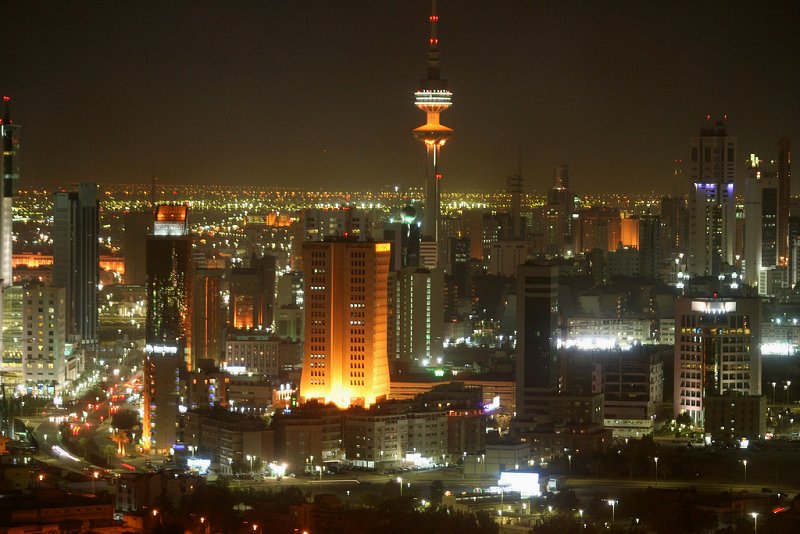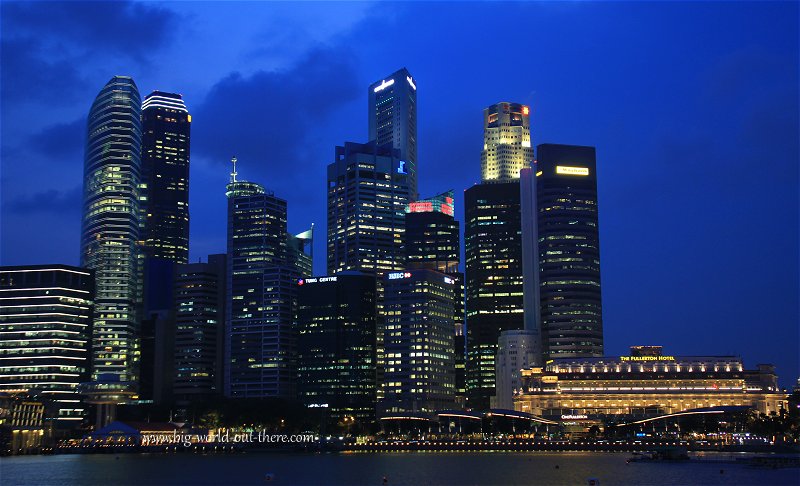
Hello and Welcome to Singapore Travel Tips! I created this website to introduce Singapore to people who wish to explore it from the comfort of their computer. Now you don't have to go to Singapore to explore Singapore! There's so many places described in this website, if you view them all, you would have explored more of Singapore than most vacationers. And you will be doing it without ever leaving your desk!
This website is forever a work in progress. That's because there's so much to describe of Singapore, I never am able to finish writing it. Do bear with me as I continue to add and update the information.
Singapore, or officially the Republic of Singapore, is an island nation in Southeast Asia. It is located at the southern tip of the Malay peninsula. It is separated from Malaysia by the Straits of Johor, but is linked to the country by the Causeway and the Second Link. The Singapore Straits separates it from the Riau Islands of Indonesia.
Singapore covers an area of 710 sq km (274 sq miles), and is expected to further increase its size over the next decade through land reclamation. The country has a population of around 5 million people. With a population density of 7,022 per square kilometer, it is one of the most densely populated country in Southeast Asia.
Singapore is a highly developed country and is presently the fastest growing economy in the world, with the economic growth of the first half of 2010 expected to reach 17.9%. It also enjoys the third highest GDP per capita in Asia after Japan and Hong Kong. With 42% of the population being expatriates and foreign workers, the country has the 6th highest percentage of foreigners on its soil in the world.
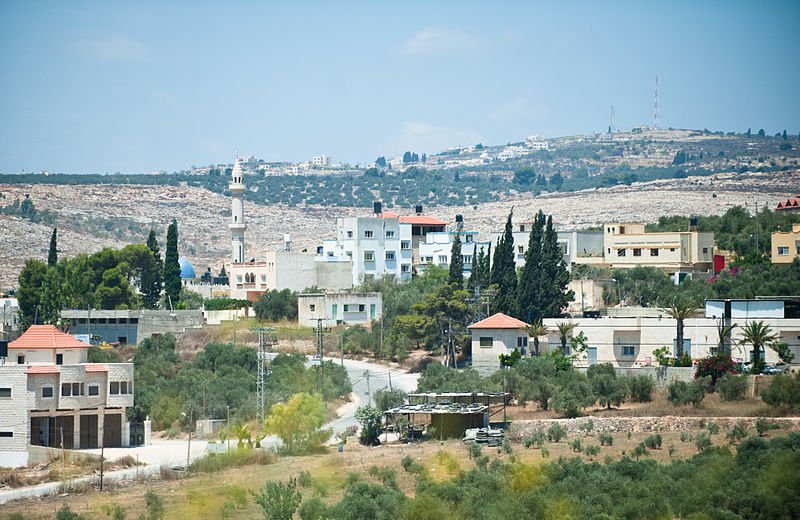
The Republic of Singapore comprises 63 islands. Apart from the main island, other major islands include Pulau Ubin, Sentosa, Jurong Island, and Pulau Tekong. The highest natural point in Singapore is Bukit Timah Hill, which is 166 meters (545 feet) above sea level.
Singapore experiences a tropical rainforest climate, with fairly constant temperature throughout the year. The country is relatively wet, with an average of one in three days being a rainy day. The wettest month is December followed by November. The driest month is February followed by January. Average temperature hovers between 24°C (75°F) and 31°C (89°F).
Singapore is a major tourist destination. A total of 10.2 million visitors come to Singapore in 2007. To buoy the tourism sector, the Singapore government granted licenses to two major resorts developments to operate casinos in Singapore. Every year the Singapore Food Festival is held in July to showcase Singapore cuisine.
Singapore was first mentioned in the 3rd century, when it appeared in Chinese chronicles as pu luo zhong which is a transliteration of Pulau Ujong, which means "island at the end [of the peninsula]".
During the 13th century, it was called Temasek, which means "sea town". A century later, the ruler of Palembang named Sang Nila Utama, sailed close to the shore of the island. He saw a beast which resembled a lion, causing him to call the island "Singa Pura", which in Sanskrit means "Lion City". This was later written as "Singapura" in Malay, and transliterated as "Singapore". The lion that Sang Nila Utama saw could well have been the Leopard Cat (Prionailurus bengalensis) a common wild cat that still roam the forests in Pulau Tekong off the northeast coast of the island.
As with Penang, Singapore was little more than a pirate haven, with small pockets of Malay settlements. Archaeological excavation on Fort Canning revealed pre-colonial settlements on the island. That hill was known then as Bukit Larangan (Forbidden Hill), and the locals were afraid of going up there, lest misfortune should fall on them.
The modern history of Singapore began with the arrival of Sir Stamford Raffles in 1819. In little time, the island quickly surpassed Penang and Malacca as the main trading post for the British in the Far East. The island thrived as a free port, and attracted peoples from across the region. Raffles segmented the newly established town according to racial lines: the Europeans get the choicest land, where the Civic District is located today; the Chinese inhabited what becomes Chinatown; the Indian settled in what's today Little India, and the Malays settled around the palace of the Sultan in and around Kampong Glam.
Singapore was under British administration until World War II, when it was occupied by the Japanese from 1942-45. Following the war, it returned to British rule. By then, the spirit of nationalism and the urge to be independent were bubbling under the surface. Singapore became a self-governing state in 1959 with Lee Kuan Yew as its first prime minister.
On 16 September 1963, Lee led Singapore into the newly formed Federation of Malaysia, which comprised the former Malaya, Sarawak, British North Borneo and Singapore. Brunei, which was initially expected to join the federation, decided eventually not to. The marriage lasted less than two years, and on 9 August, 1965, it was ejected from the federation following racial tension, becoming the Republic of Singapore.
The period immediately after gaining independence in 1965 was a volatile time for Singapore. This was a country without any natural resources. Its prime minister was just 35 years old. There was racial tension among the races and unemployment was high. To top it off, Britain was pulling out its troops, causing a loss of 50,000 jobs.
Prime Minister Lee and his cabinet tackled the most pressing issue first, that was, to unify the different races and create a Singaporean identity. Four national languages namely Malay, Chinese, Tamil and English, are recognised. The Housing and Development Board began a program to built homes for the people, with the aim that every unit should be owner occupied. Industrial estates were created throughout Singapore, with port and shipbuilding facilities established in Jurong.
Forty Years After Independence
Today Singapore is an envy of all its neighbors. A free market economy, the country is now a newly developed nation that enjoys a stable political and industrial climate. It has a highly educated workforce necessary to support its role as the financial hub of the region. Singapore today enjoys the highest standard of living in Southeast Asia, and one of the highest in the world.
If you some an information on this page that needs to be corrected or updated, find out how you can help me get it right.
Compare Hotel Room Rates
The form below is a Hotel Room Research Engine. It doesn't take hotel bookings. Instead it searches all the popular hotel booking websites to show you price of hotel rooms for the destination and dates that you pick. You can compare what different sites are offering, and select the one with the best price. Do this, and you're guaranteed to save a money on your room reservations.