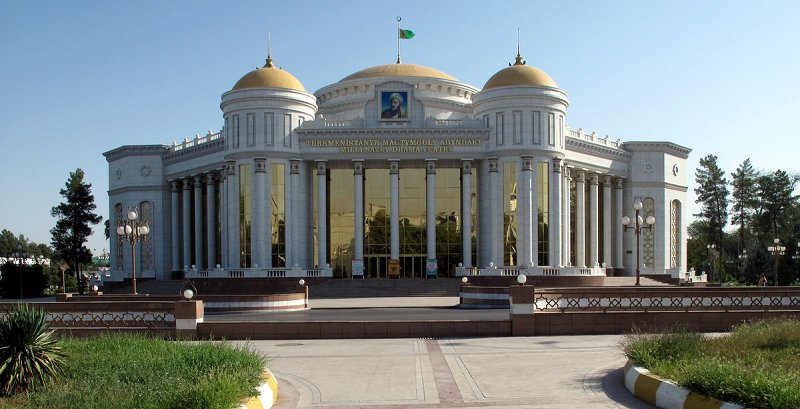
Formerly Victoria Park, this park was renamed after a Sinhalese queen.
About Colombo
Colombo is the largest city as well as the commercial centre for Sri Lanka. What is interesting which I recently discovered is that officially, Colombo is not the capital of Sri Lanka. That honour goes to Kotte, to be precise, Sri Jayewardenapura-Kotte, to the southeast of Colombo. While the administrative capital is located there since 1982, when the new building of the Parliament of Sri Lanka was inaugurated there, the nerve centre of Sri Lanka remains in Colombo. Well, that's a little trivia for geography puritans, for the majority of us, we'll just treat Colombo as the capital.
I had the opportunity to explore Colombo on our final day of Sri Lanka. A small group of AsiaExplorers members and I walked the streets in the Fort and Pettah districts of Colombo, where most of the historical buildings are located. By coach we also explored further afield, visiting all the major landmarks of the city.
Old and new in Colombo: to the left is the stupa of the Sri Sambuddhaloka Vihare while to the right are the tower blocks of the Colombo World Trade Centre.
Colombo can trace its history as far back as 2000 years ago. It has already been a port known to Roman, Arab and Chinese traders. Throughout the ages, Colombo was the port through which much of the trade flows between the outside world and the Sinhalese kingdoms.
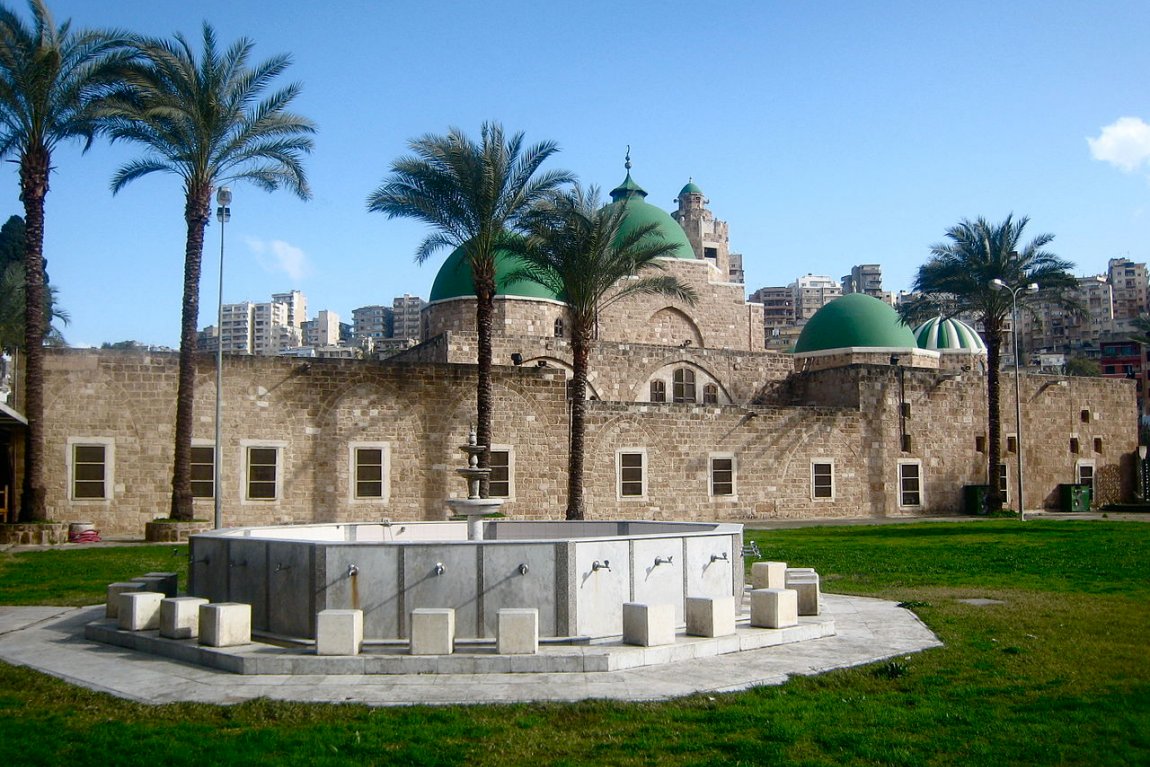
Muslims settled in Colombo since the 8th century. Their legacy can be seen today in the form of the Jami-Ul-Alfar Mosque in the Pettah district. Despite continuous unrest between Muslims and Tamils, there are in Colombo a few Hindu temples - known in Sri Lanka as kovil. This being a Buddhist country, there are no doubt plenty of Buddhist temples in Colombo. One of the most interesting, in my opinion, is the Asokaramaya Temple on Thimbirigasyaya Road.
When the Portuguese arrived in Colombo in the 16th century, they expelled the Muslims and built a fort to protect their monopoly on the spice trade. Next in line were the Dutch, who wrestled Sri Lanka from the Portuguese in 1656 after a long siege, at the end of which, there was only 93 Portuguese survivors within the fort.
In 1802, the British took over Sri Lanka from the Dutch, and made Colombo the capital of the crown colony of Ceylon, as Sri Lanka was known up till 1972, when it changed its name to Sri Lanka. The name Sri Lanka, which has its origin in Sanskrit, means "venerable Lanka". Lanka is a name that has long been associated with the island since ancient times.
Sri Lanka Travel Guide
Useful tips for preparing your trip to Sri Lanka.
Compare Hotel Room Rates
Find the lowest price of hotel rooms from different Hotel Booking websites. Our free Hotel Search Engine lets you compare room rates from different booking sites. Just key in your visiting City. You'd be glad to do your homework!
About the Author: AsiaExplorers is researched and written by Timothy Tye. We take reasonable care to check and verify the accuracy of the content. However, we disclaim any responsibility for any inconvenience, mishap, injury or death resulting from following the advice provided directly or indirectly by AsiaExplorers and the comments on its pages. All the photographs in AsiaExplorers are available for publication. Please contact AsiaExplorers at the following email address for your enquiries: