Kandy
Last ancient capital of Sri Lanka and Unesco World Heritage Site
Kandy is the old capital of the Kandyan kingdom, the last independent state in Sri Lanka. It is located about 500 meters above sea level. I explored it with a group of AsiaExplorers members when we covered the sites in Sri Lanka. It was a very wet and rainy time that we arrived in Kandy, and as a result, most of my shots of Kandy come out with overcast skies.
According to the 2001 census, there are 110049 people living in Kandy. Founded in the 14th century, Kandy derives its name from the Sinhalese phrase Kanda Uda Pas Rata, which means, "five districts on the mountain". The Portuguese abbreviated it to Candea, and it survives today as Kandy.
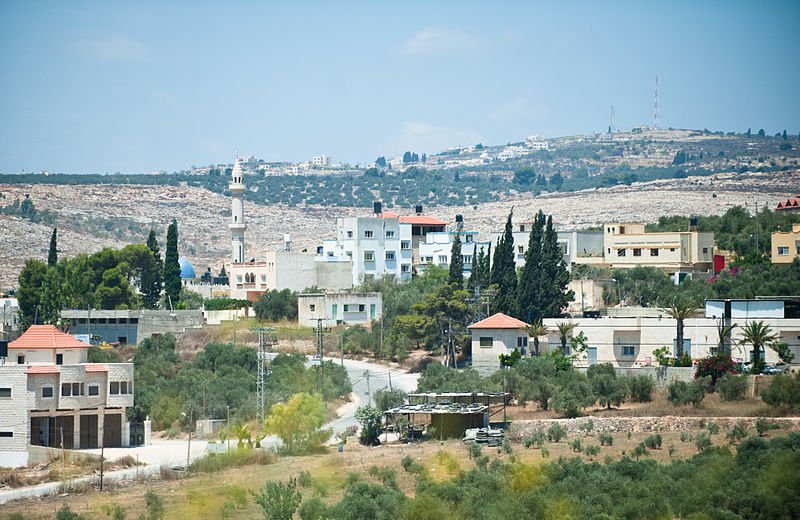
View of the railway station in Kandy from our hilltop hotel.
Kandy was the capital city of the island of Sri Lanka from 1592 until the 19th century. For over three hundred years, it was able to preserve its independence, repelling repeated assaults by invading colonial forces, including the Portuguese in the 16th century, the Dutch in the 17th century, before eventually submitting to the British in 1815. Although it lost its position as capital, Kandy continues to serve as the religious capital of Sri Lanka. The most famous sight in Kandy is the Sri Dalaga Maligawa, popularly known as the Temple of the Tooth Relic.
Kandy is easy to explore on foot. Right in the middle of the city is Kandy Lake. Beside it is the Royal Bathhouse. Across the road from it is the Temple of the Tooth Relic.
Due to its historical significance, Kandy was declared a World Heritage City. Most visitors come to Kandy around July and August, to witness the annual two-week Perahera Festival. This is when the sacred tooth relic is paraded down the streets accompanied by caparisoned elephants, dancers, drummers and other performers. This same festival has changed little over the centuries.
I had the opportunity to walk around Kandy on foot, even though the weather was not as bright as I wanted it to be. By the end of my walk, the rain came down heavily, and I rushed to the theatre where we were to watch a Sri Lankan Folk Dance performance.
About the Author: AsiaExplorers is researched and written by Timothy Tye. We take reasonable care to check and verify the accuracy of the content. However, we disclaim any responsibility for any inconvenience, mishap, injury or death resulting from following the advice provided directly or indirectly by AsiaExplorers and the comments on its pages. All the photographs in AsiaExplorers are available for publication. Please contact AsiaExplorers at the following email address for your enquiries: