Ruwanweliseya Dagoba
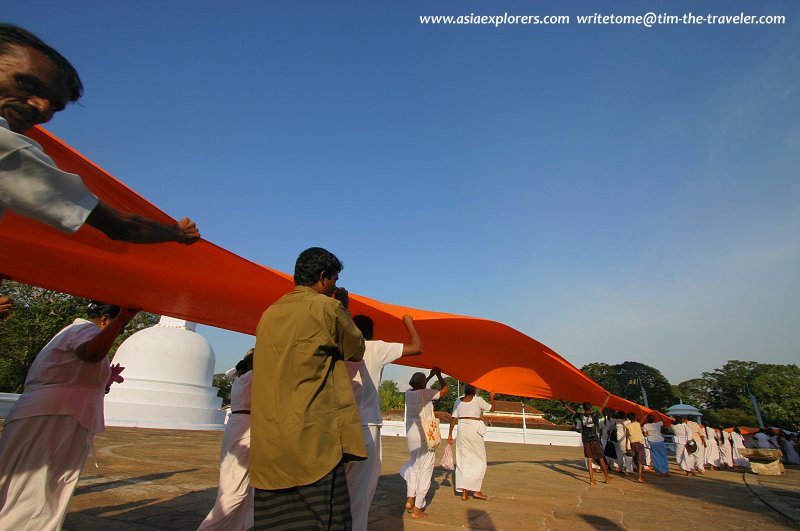
@ Maha Thupa (Great Stupa) @ Ruwanweli Dagaba @ Ruvanvalisaya, Anuradhapura, Sri Lanka Ancient Heritage City


Your base for exploring this tourist attraction is the ancient city of Anuradhapura, Sri Lanka. For tourist information about Anuradhapura, go to Anuradhapura Travel Guide. To prepare for a trip to Sri Lanka, read also the Sri Lanka Travel Guide. Looking for budget accommodation? Use AsiaExplorers Budget Accommodation Guide, the no-frills website to cover your budget accommodation needs.


Ruwanweliseya Dagoba is the third largest stupa in Anuradhapura. Also known as the Maha Thupa or Great Stupa. At 300 feet, the Ruwanweliseya Dagoba is the third biggest stupa in Anuradhapura, after the Jetavana Dagoba and the Abhayarigi Dagoba. While the aforementioned are still in ruins, Ruwanweliseya Dagoba is the biggest dagoba that is fully restored and in regular use.

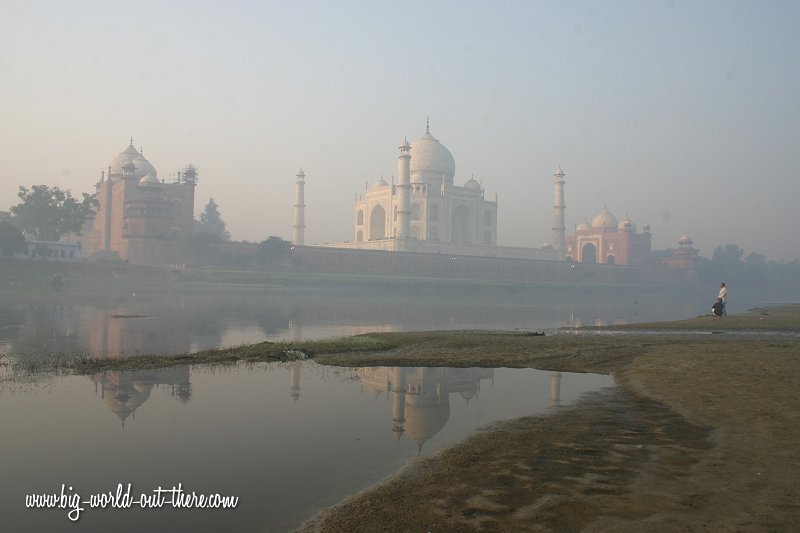
The shape of the Ruwanweliseya Dagoba, as indeed all the other dagobas in Anuradhapura and elsewhere in Sri Lanka, is inspired by a bubble floating on water. Beneath the round white skin, which seems to float weightlessly into the clouds, is tons and tons of masonry.

The Ruwanweliseya Dagoba is surrounded by a wall embellished with full-size sculpted elephants (almost all of these are replacements as the original has been damaged long ago). The elephant walls are symbolic of the Buddhist mythology that they hold up the earth. Four gatehouses punctuated the elephant wall at the four cardinal points.


The massive Ruwanweliseya Dagoba in Anuradhapura.


Buddhist symbolism is carried to the Ruwanweliseya Dagoba, where the massive white dome represents heaven. The conical spire of the Ruwanweliseya Dagoba represents the parasols of kingship, or the protuberance on Buddha's head, to signify super enlightenment. Sacred relics of the Buddha are housed within the dome of the Ruwanweliseya Dagoba.

Construction of the Ruwanweliseya Dagoba commenced in 144BC. The foundation was dug to a depth of 15 feet and round stones were laid, stumped into place by elephants wearing leather foot coverings. A form of material called butter clay was used as the cement.

Today the Ruwanweliseya Dagoba has undergone several restorations, and has lost a bit of its original bubble shape. Nevertheless Ruwanweliseya Dagoba continues to be one of the most important places of worship for the Buddhists in Anuradhapura.


Ruwanweliseya Photo Gallery

To view more photos of the Ruwanweliseya Dagoba, click enter.


Places of interest in Anuradhapura

Anuradhapura Travel Guide

Explore the places of interest in Anuradhapura. Click to view list.

Anuradhapura Travel Guide


Expedia.com

Click here to return to the AsiaExplorers Homepage

How much have you explored Sri Lanka? Through AsiaExplorers, you can now explore these places in Sri Lanka from the comfort of your desk: Sri Lanka, Anuradhapura (Abhayagiri Giant Pond, Abhayagiri Monastery, Dakkhina Stupa, Jetavana Dagoba, Kuttam Pokuna Twin Ponds, Lankarama Dagoba, Ruwanweliseya Dagoba, Sri Maha Bodhi Tree, Thuparama Dagoba, Aukana Buddha), Colombo, (Asokaramaya Buddhist Temple, Bandaranaike Memorial International Conference Hall, Dutch Period Museum, Fort District, Fort Railway Station, Galle Face Hotel, Independence Memorial Hall, Jami-Ul-Alfar Mosque, National Museum, Old Town Hall, Pettah District, Seema Malakaya Meditation Centre, Sri Kailawasanathar Swami Devasthanam Temple, Town Hall, Viharamahadevi Park), Dambulla Cave Temple, Galle Fort, Kandy (Sri Dalada Maligawa, Temple of the Tooth Relic, Kandy Lake, Kohomba Kankariya Folk Dance, Queens Hotel), Mihintale, Negombo, Nuwara Eliya (Tea Factory Hotel, Peradeniya Botanical Gardens, Pinnawela Elephant Orphanage, Polonnaruwa (Atadage, Gal Pota, Gal Vihara, Hatadage, Lata Mandapa, Parakrama Samudra, Parakramabahu's Council Chamber, Rankot Vihara, Satmahal Prasada, Shiva Devale, Thuparama Image House, Vatadage, Vijayanta Pasada), Ramboda Falls, Sigiriya, Sri Lanka Durians

Grab this swicki from eurekster.com


Copyright © 2003-2008 AsiaExplorers.  All rights reserved.

About the Author: AsiaExplorers is researched and written by Timothy Tye. We take reasonable care to check and verify the accuracy of the content. However, we disclaim any responsibility for any inconvenience, mishap, injury or death resulting from following the advice provided directly or indirectly by AsiaExplorers and the comments on its pages. All the photographs in AsiaExplorers are available for publication. Please contact AsiaExplorers at the following email address for your enquiries: