World Travel GuidesDamascus (دِمَشق) Travel Guide, Syria


Exotic Tours of Asia
 Asia Travel Guide Compare Hotel Room Rates from different Booking Sites     Follow Me on Pinterest 
Damascus, Syria
Damascus, Syria
Author: Ankara (Creative Commons Attribution 3.0 Unported)


Damascus (دِمَشق) is the capital and second biggest city in Syria. Also known as Al Sham in Syria, the city is one of the 14 governorates of the country. It covers 105 sq km (40.5 sq mi) and has a population of 1.7 million people (2011 estimate).

Damascus is in the Eastern European Time zone, which is two hours ahead of Coordinated Universal Time (UTC+2) and three hours ahead during Daylight Saving Time in summer. The phone IDD area code is +963-11.


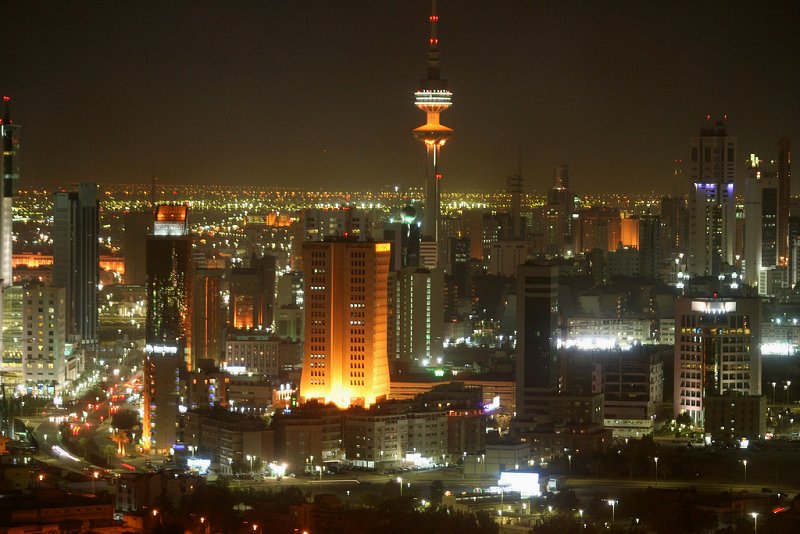
Damascus city scene
Damascus city scene
Author: Fede Renghino (Creative Commons Attribution 2.0 Generic)

Damascus is not directly on the Mediterranean coast, but 80 km (50 mi) inland, on a plateau some 680 m (2,230 ft) above sea level. It is sited on the Ghouta oasis surrounded by the desert. However with rapid growth and development of Damascus, the Ghouta oasis has been shrinking in size and at the same time, becoming polluted.

Damascus experiences a hot semi-arid climate. Due to the rain shadow effect of the Anti-Lebanon mountains, it only receives 220 mm (8.66 in) of rain throughout the year, with no rainfall at all from June to August. These coincide with the hottest months in Damascus, with average temperatures rising to 37°C (99°F) in August. Coldest month is January, when the temperature drops to 2°C (36°F). It is also the wettest month, albeit with just 43 mm (1.69 in) of precipitation.


Umayyad Mosque, Damascus
Author: Ulrich Waack (Creative Commons Attribution 3.0 Unported)

Damascus is an ancient city with one of the longest record of continuous habitation. Carbon-14 dating has suggested that the area around Damascus has been occupied since 6300 BC. The city has seen many kings and kingdoms come and go. The city was mentioned in Genesis 14:15 of the Holy Bible, suggesting that it already existed when the book was written.

The earliest documented evidence of Damascus came from the 1st millennium BC, when the formerly nomadic Aramaean people migrated from Mesopotamia and settled in the Damascus area. Evidence of their having discarded a nomadic lifestyle comes from remains of canals and tunnels that they built, probably to irrigate their fields.

Damascus was conquered by Alexander the Great in 323 BC. After that, it went through a turbulent period, where control over the city passed between the Seleucid and Ptolemaic empires. Much of western Syria including Damascus fell under Roman rule in 64 BC. The city appeared in the New Testament of the Holy Bible, when Paul (then Saul) received a vision of Jesus, on his way to persecute early disciples of Jesus who were in Damascus.

Between the 2nd century and AD 222, Damascus was an emporium of goods coming on the caravan trails from southern Arabia, Petra, Palmyra and on the Silk Road from China. So important was the city that the Romans under Emperor Septimius Severus elevated it to colonia.


Souq al-Hamidiyah Damascus
Author: Bernard Gagnon (Creative Commons Attribution 3.0 Unported)

Damascus fell into the hands of Arab conquerors in AD 635, when it was captured by Muslim-Arab general Khalid ibn al-Walid. The victory of the Arabs increased the Muslim population of Damascus, which until then was predominantly Eastern Orthodox and Monophysite. The Grand Mosque of Damascus, also known as the Umayyad Mosque, was constructed in AD 706 over the site that was formerly the Cathedral of St John.

From the 11th to the 16th century, Damascus was ruled by various Muslim dynasties including the Seljuq Turks, the Ayyubid and the Mamluk. In between, it was invaded by the Mongols in 1260 and by the Turco-Mongol under their leader Timur in 1400.


Bakdash Ice Cream Shop in the souq of Damascus
Author: Ankara (Creative Commons Attribution 3.0 Unported)

Damascus came under the rule of the Ottoman Turks in 1516. Ottoman rule over the city was to last until the early 20th century, with only a brief period from 1832 to 1840 when it was under Ibrahim Pasha of Egypt. The Ottoman rule in Damascus came to an end when the Turkish troops were ousted in 1918, and Faisal ibn Hussein proclaimed King of Syria.

In 1920 the French was granted a mandate over Syria, and they made Damascus its capital. The city remains the capital of Syria when the country attained its full independence in 1946. Today some 85% of the people of Damascus are Sunni Muslims, although there is still a small Christian minority, constituting some 10% of the population. And even smaller Jewish community exists, living in Haret al-Yahud, the Jewish quarter.


Syrian Catholic Cathedral, Damascus
Author: Bernard Gagnon (Creative Commons Attribution 3.0 Unported)

Visiting Damascus

The Damascus International Airport (DAM) is the busiest airport in Syria. It receives flights from major cities in the Middle East, as well as from London Heathrow, Paris CDG, Rome and Vienna, among others. There are buses connecting the airport to downtown Damascus. The fare is 45 Syrian pounds per person, and 25 Syrian pounds for the luggage. Taking the taxi will cost you 500 Syrian pounds for the same journey.

Exploring Damascus

The most interesting sights in Damascaus are in the Old City. This is best explored on foot. The New City, in comparison, is not so pedestrian friendly. To go from place to place, the public transport is provided by the mini buses called servees. The fare anywhere within the city limits is usually 10 Syrian pounds.


Places of Interest in Damascus

  1. Azzam Palace
  2. Mausoleum of Saladin
  3. Mount Qasioun
  4. October War Panorama
  5. Souq al-Hamidiyah
  6. Umayyad Mosque


Return to Syria Travel Guide


  • Tips to become a smart traveler: Useful tips to remember, to get the best out of your travels.
  • Preparing for a Trip: Systematic approach to help you prepare for your trip.
  • How to plan your travel itinerary: Step-by-step build to creating the itinerary for your trip.
  • How to compare hotel room rates: Learn to use a booking search engine to compare rates across all major booking sites.
  • How to pack your luggage: Useful steps to take when packing your luggage.
  • Packing List (PDF): Print out this free packing list to make sure you don't forget anything for your trip.
  • Voltage, Frequency, Plugs & Sockets of the World: Learn about the mains electricity supply in the world.
  • Travelers' List of Plugs and Sockets (PDF): Easy-to-use list of electricity and plugs for all countries.
  • Making International Direct Dail Calls: Learn to make IDD calls from anywhere in the world.
  • IDD Call Prefixes & Country Codes (PDF): Listing of Call Prefixes and Country Codes on one page for you to bring on your trip.
  • Safety Tips When Traveling Alone: Useful advice for when you travel on your own.
  • Guide to Health Matters related to Travel: Comprehensive coverage of different issues related to your health when traveling.
  • Getting Travel Insurance for your trip: Benefits of travel insurance, and advise on when you should signing up for one.
  • Improve your travel photography: Tips to improve your photography skills, especially when traveling.
  • Guide to Traveling Around the World: Useful tips for encircling the globe.


  • Find a hotel


    Follow Me on Pinterest

    Point - Click - Discover!

    Thanks for visiting this webpage. To continue exploring, choose another destination!


    My World Travel Guides - celebrating a beautiful world beautifully.

    Earning a living as a Happy Jobless Guy

    I am a Happy Jobless Guy! I am one of the few people who is fortunate enough to earn an income from my websites that I don't to go out to work. My sites get thousands of visitors every day. It has been a long process, but it is something everybody can achieve, and that means YOU. The following are some articles which you might want to read if you want to do what I do:
    1. Money Making Manual
    2. How to earn from writing websites
    3. Guide for earning a living without holding a job
    4. Generate a Sitemap for your website
    5. Complete Step-by-Step e-Business Building System