Koh Phangan
@ Koh Pha Ngan @ Koh Phang Ngan, Thailand


Your base for exploring this destination is the tourist resort island of Koh Samui. For travel information about Koh Samui, read the Koh Samui Travel Guide. To prepare for your trip to Thailand, read the AsiaExplorers Thailand Travel Guide. Looking for budget accommodation? Find good clean accommodation at the Budget Accommodation Guide!


Preparing for Koh Phangan? Let us help!
Geography of Koh Phangan
Climate of Koh Phangan
South Coast of Koh Phangan
North Coast of Koh Phangan
East Coast of Koh Phangan
Koh Phangan Photo Gallery
Accommodation in Koh Phangan


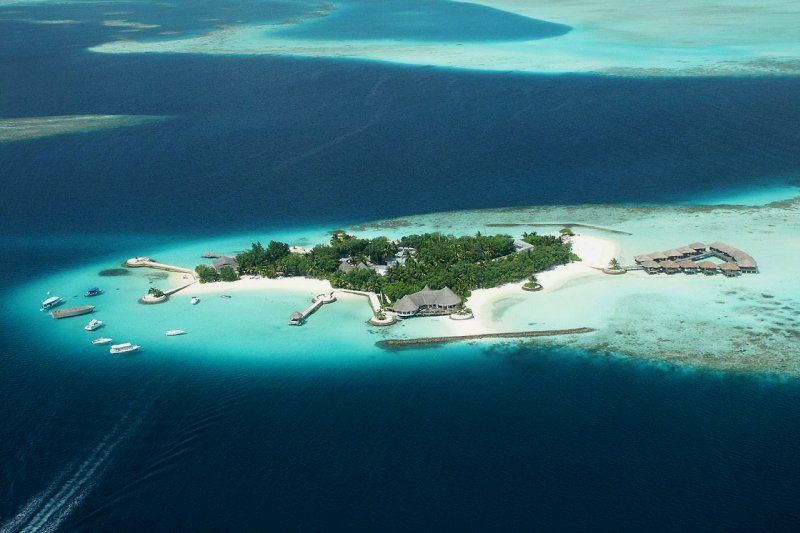
Koh Phangan, also written in English as Koh Pha Ngan, is 12 km north of Koh Samui. The Pha Ngan group of islands consists of Koh Pha Ngan and five smaller islands near it, namely Koh Tao, Koh Nang Yuan, Koh Tae Nok, Koh Nae Nai and Koh Ma.

Geography of Koh Phangan

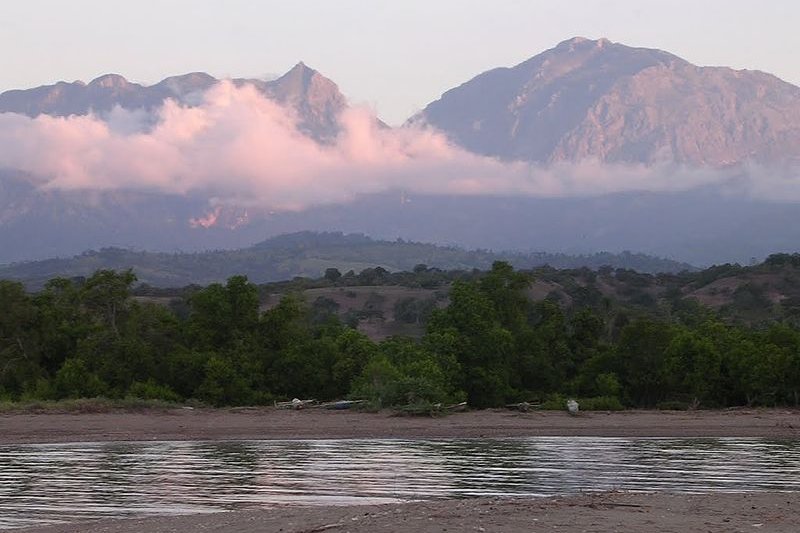
Two thirds of Koh Phangan is mountainous. The mountain range in Koh Phangan extends to form the same range as the mountain in Surat Thani and Nakorn Si Thammarat provinces. Due to the mountains, there are many rivers on Koh Phangan. The highest peak is Kao Rha, 627m. On the west side are beautiful gulfs and beaches.

Climate

Just like Koh Samui, the climate in Koh Phangan is tropical, with the wet season being from May until January. The weather is cooler during winter in the northern hemisphere, between November and January. The summer season begins at end February and continues until April. This is the best time to visit Koh Phangan.


Fire dancer at the Full Moon Party of Koh Phangan

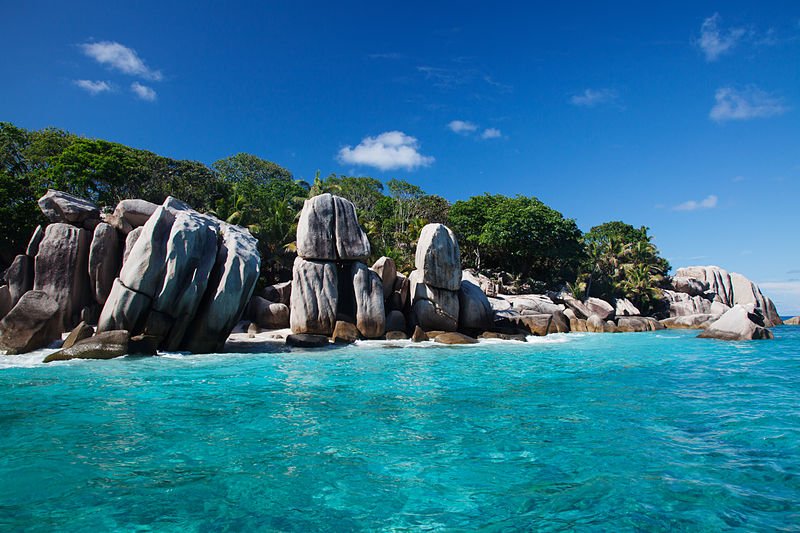
The beaches of Koh Phangan is much less crowded than those in Koh Samui. They offer an escape to a more tranquil setting to enjoy and to relax. As not all of them have been developed, many are quite deserted.

South Coast of Koh Phangan

Had Rin (Rin Beach)
Had Rin is quite likely the most famous beach on Koh Phangan, because it probably does not fit the image of a quiet beach like the rest of Koh Phangan beaches. This is a wide, sandy beach on the southeastern tip of Koh Phangan which forms a peninsula. Had Rin actually consists of two popular beaches, Rin Nai on the west side of the peninsula and Rin Nok on the east side. Koh Samui is visible from Rin Nai.
Had Rin Nok (East Rin Beach)
This is one of the most beautiful and idyllic beaches on Koh Phangan. Bang Rak pier in Had Rin Nok is where visitors from Koh Samui arrive by ferry boats daily. Its broad shoreline curves gently to form a perfect cove flanked by smooth volcanic peninsulas with the sun rising right in the middle of the bay. The beach is over one kilometre in length and was one of the first discovered by travellers escaping Koh Samui over 20 years ago. The southern half of the beach is densely populated by nightclubs and restaurants and it is where the Full Moon Party takes place every month. The northern end is quieter, taken up by bungalow operations. Coincidentally, this place claims to be the third most beautiful spot in the world to view a full moon.
During the day Had Rin is full of sun-worshippers. Had Rin really comes alive at night and easily has the biggest concentration of clubs on the Gulf of Thailand, with a wide spectrum of dance music going at full blast from different venues. Beachside drinking and dining can be taken on mats on the sand.
The sea-shelf drops off fairly sharply at Had Rin Nok and it is possible to swim in virtually any tide. However, there is no major living coral reef here except for the one at Had Kontee so snorkeling is a bit dull. The waves can get pretty big in the bay, but are too dangerous to surf as they break on the rocks at either side of the beach.

Had Kontee (Kontee Beach)
Had Kontee is a small beach on the northern peninsula of Had Rin Nok. It is accessible only by taking the mountain path or by boat. It is presently uninhabited, and is a great place to explore from Had Rin. The sand here is course and there are a few coral deposits on the beach, so it is not suitable to sunbathe here. It is a good snorkelling spot, however, as the only living coral found near Had Rin is located just off the beach here. Do not try to swim here from Had Rin Nok, as there are dangerous rip tides in the bay and it is deceptively further than it looks. Many deaths have occured at the Full Moon Party from nutcases who attempted to swim here from Had Rin.


Ao Ban Khai (Ban Khai Bay)
Ao Ban Khai is part of a long unbroken stretch of beach that runs all the way to Thong Sala. It starts where the Had Rin hills ends. The beach of Ao Ban Khai is quite broad in places with numerous coconut trees. This is a good place to explore if you are seeking solitude. There are a few beach bars along the coastline.

Ao Ban Tai
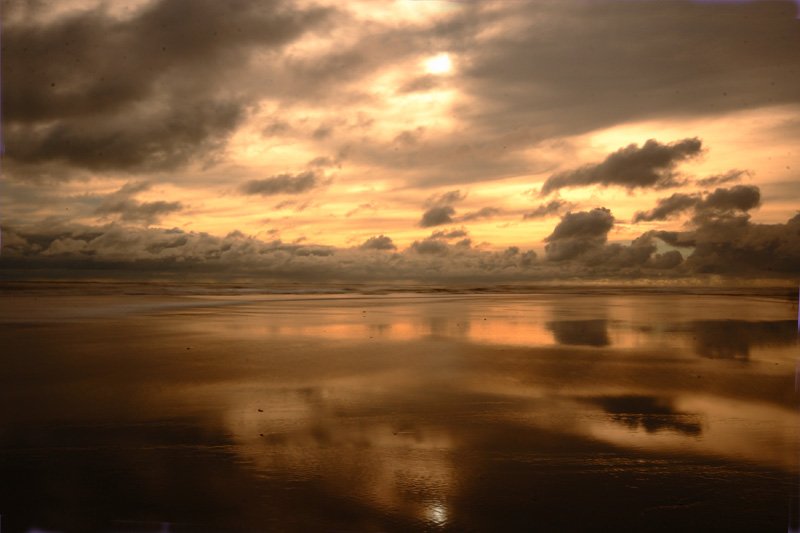
Ao Ban Tai is the middle section of the long stretch of beach that runs the length of the south-east coast of Koh Phangan from Ao Ban Khai all the way up to Thong Sala. The sunsets here can sometimes be spectacular. The primary industry here is fishing. There is a small marina in the centre of Ban Tai where you can hire boats for fishing trips. The land along this coastline is lined with coconut plantation and takes on a castaway feel with with the palms leaning over the emerald sea.
On either side of the marina is the wide white sand beach that gradually slopes to meet the coral reef about 200 metres away. In low tidal season (April to November), swimming is not always possible. A variety of corals and marine life make the area good for snorkeling once over the reef. Ao Hinsongkon is an extension of Ao Ban Tai and has similar attributes.

North Coast of Koh Phangan

Ao Chaloklum (Chaloklum Bay)
Ao Chaloklum is a bay with a beach of about two and a half kilometres long, with the main village of Chaloklum right at the centre of it. This is still primarily a fishing village, and the fishing trade dominates the mid-section of the beach where the village is located. The local fishermen's colourful longtail boats make a great sight from the restaurants there.
The beach stretches out to either side of the village. The swimming here is good when the tides are high (around December to March), but during the lower tidal seasons, you may have to time your swim to the daily high tides. The sand on the exposed north and east coasts is more yellow and slightly coarser. The sea can be fairly choppy during high winds as the weather comes across the Gulf of Siam and breaks on the surrounding mountains.
Most of the coral reef here is now dead due to the extensive fishing in the area, but the waves here are big enough for a bit of body surfing. Due to its northerly location, neither sunset nor sunrise are visible here.

Had Khom (Klom Beach)
To the west of Ao Chaloklum is the pretty little beach of Had Khom. Known for its laid back vibes, it is popular with long-termers looking to get away from the hordes. The dirt trek from Chaloklum is badly rutted in places and is hard to tackle unless you are an experienced rider. A better option is to take a dirtbike or a 4WD, or better still, a boat taxi from Chaloklum.
With an extensive living coral reef that protects the bay from the incoming seas coupled, Had Khom is a popular snorkelling spot. Local dive schools from Chaloklum and snorkelling boat trips often use it for its proximity, outstanding beauty and great variety of corals.

Had Thong Lang (Thong Lang Beach)
Had Thong Lang means "Golden Deserted Beach" and it is exactly that. There is presently still no permanent settlers here, although recently a couple of huts have gone up, but are rarely inhabited. It has a shallow coral bay with a coral reef that creates a beautiful lagoon during high tidal seasons. There is good snorkelling at the reef. Exercise care not to damage the corals if you are it at low tide. This is a great beach to explore if you're looking for the deserted castaway feel.

Had Thong Lang can be reached either by longtail boat from Chaloklum, or by bike / taxi and a short walk. To reach it on land, take the main (concrete) trek from Mae Had to Chaloklum. 300 metres up the trek take a left turn where a small sign points you to the beach. The dirt trek to the beach is about 400 metes long and is fairly rough, especially during monsoon season. Due to its northerly location, there is no view of sunrise or sunset from this beach.

Had Khuad (Khuad Beach)
Had Khuad is better known as Bottle Beach. It is one of the best-known beaches on Koh Phangan, and a Mecca for long-termers. The beach's inaccessibility means visitors can only arrive by taxi boat from Chaloklum, and they come for extended stays of a week or more. Furthermore, a turn of the weather may get you stranded here for a day or two as the boats can only navigate the seas here when they are calm.
A two and a half kilometre mountain path links it to Had Khom. It should be negotiated on foot, though some nutcases have been said to have made it on dirtbikes, though not an advisable option, due to the very steep trails and boulders that can rip a hole in the chunkiest tyre, leaving you to tug a hefty bike back to civilisation. Caution should also be exercise if taking this path on foot during bad weather.
As you move further east, the sea becomes unfavourable to coral formation, as the sea shelf starts to fall away quite steeply, making it possible to swim here all year round. Bottle Beach and Thong Nai Pan are favourites for low season visitors who want to swim, but don't mind missing out on the coral. It is also considered one of the most beautiful beaches on Koh Phangan due to its wide golden beach, the lush natural cove and the high mountains that surround it. Due to its northerly location, you get no view of sunrise or sunset here.

East Coast of Koh Phangan

Ao Thong Nai Pan Noi (Small Thong Nai Pan Bay)
Thong Nai Pan Noi and Thong Nai Pan Yai are twin coves. They form a scenic double bay and are among the most popular beaches in the east of Koh Phangan. Both beaches bore the image of paradise with their softly curved white sandy bays surrounded by mountains covered in rich tropical vegetation. Due to the surrounding mountains, these beaches are fairly inaccessible. The only overland option is a steep and rutted dirt road. An easier option would be to get there by boat from Had Rin or Chaloklum.
There is no coral reef here, and so there is little to see in terms of marine life, but it is possible to swim at both beaches all year round and there are some decent waves for body surfing. Thong Nai Pan Noi is the most popular of the two beaches with a touch of bohemian culture and a small village with some cool bars and restaurants. People get up early for sunrise and long-termers patiently wait to graduate to the coolest of bungalows, for beachfront space is premium.
Thong Nai Pan Yai is the longer of the two beaches, and the resorts there are more spaced out. There isn't a village here, so one can aspect a quieter atmosphere. Visitors may take any of the hill trails and visit the waterfalls. Thong Nai Pan Yai also has a decent set of rocks for experienced climbers. This side of the island is still pretty much undeveloped, and the surrounding jungle is haven for many exotic tropical creatures, among them the giant water monitor lizards, or "Takuad" in Thai, and small wildcats.

Had Sadet (Sadet Beach)
Thaansadet literally translated means "river visited by the Royals." It is where King Churalongkorn, Rama V, visited many times to walk up the wondrous Thaansadet Waterfalls and bathe in its pools. King Prajadhipok, Rama VII, has also visited it, as has the current King Bhumibol Adulyadej, Rama IX. Due to its great historical significance and abundant wildlife, Thaansadet was recently declared a national park.
Located at the estuary of Khlong (river) Thaan Sadet, Had Sadet is a fairly small beach at the bottom of the river valley flanked by steep green hills. The sand is white and huge boulders crown the peninsulas that surround the cove. The sea is deep enough for year round swimming, though the waves can be rough. The southern peninsula splits the two beaches of Had Sadet and Had Thong Reng near where Khlong Thaan Sadet meets the sea.
Had Thong Reng is the smaller of Thaansadet's two beaches that form a picturesque double bay. The swimming here is not as good as its neighbour, but it is just as beautiful and a bit quieter.

Koh Phangan Photo Gallery


Scene of Full Moon Party revellers on Had Rin Nok beach in Koh Phangan.


Fire Dance Display at Koh Phangan Full Moon Party.


Scene on the backlanes of Had Rin Nok.


Florescent displays in psychedelic colors on Had Rin Nok.


Motion shot of Fire Dance at the Full Moon Party of Koh Phangan.


Even young boys demonstrated fire dancing at the Full Moon Party.


Expedia.com

Click here to return to the AsiaExplorers Homepage

How much have you explored Thailand? Through AsiaExplorers, you can now explore these places in Thailand from the comfort of your desk: Thailand, Ayutthaya (Ayutthaya History, Elephant Kraal, Phom Phet Fortress, Phukhao Thong, Queen Si Suriyothai Memorial, Royal Palace, Viharn Phra Mongkhon Bophit, Wat Chaiwattanaram, Wat Lokayasuttharam, Wat Mahathat, Wat Phra Ram, Wat Phra Si Sanphet, Wat Phutthaisawan, Wat Ratchaburana), Bangkok (Baiyoke Sky Tower, CentralWorld, Chatuchak Market, Chinatown, City Hall, Democracy Monument, Erawan Shrine, Ganesha Shrine, Gaysorn Plaza, Giant Swing, Golden Mount, Golden Shrine Foundation, Grand Palace, Hua Lamphong Railway Station, Jim Thompson House, Loha Prasat, Mahakan Fort, MBK Center, Mahatthai Uthit Bridge, National Museum, Phan-Fa-Lilat Bridge, Siam Center, Siam Discovery Center, Siam Paragon, Suvarnabhumi Airport, Thian Fah Hospital, Trimurti Shrine, Wat Arun (Temple of Dawn), Wat Mahaprutaram, Wat Pathumkhongkha Ratchaworawiharn, Wat Phra Kaeo (Temple of the Emerald Buddha), Wat Po (Temple of the Reclining Buddha), Wat Saket, Wat Samphanthawongsaram Worawiharn, Wat Theptidaram, Wat Traimit), Chiang Mai (Doi Suthep (Wat Phra Boromathat Doi Suthep), Wat Chedi Luang, Wat Cheitta, Wat Nong Jed Lin, Wat Phra Singh, Golden Triangle, House of Opium, Sop Ruak, Lampang, Mae Sai), Khao Sok National Park (Namtaloo Cave), Khanom, Koh Samui, (Angthong Marine National Park, Chaweng Beach, Hin Ta Hin Yai, Koh Nang Yuan, Koh Phangan, Koh Tao, Koh Wua Talap, Namuang Waterfalls, Wat Khun Aram (Temple of the Mummified Monk), Wat Phra Yai), Krabi, (Aonang Bay, Hat Noppharat Thara, Khao Chang (Elephant Hill), Klong Thom (Crystal River), Koh Kai (Chicken Island), Koh Mai Phai, Koh Poda, Koh Tap, Sra Morakot (Emerald Pool), Susaan Hoi (Fossil Beach), Tha Pom (Hot Waterfall), Wat Thamsua (Tiger Cave Temple)), Phi Phi, (Laemtong Cape, Phi Phi Ley, Rantee Bay, Ton Sai Bay, Viking Cave), Phuket, (Bang Pae Waterfalls, James Bond Island, Khao Rang Hills, Koh Hae (Coral Island), Koh Panyee, Nai Thon & Nai Yang Beaches, Patong Beach, Phang Nga Bay, Promthep Cape, Similan Islands, Wat Chalong), Sukhothai, (Wat Mahathat, Wat Mai), Thale Noi, Trang, (Ley Cave, Sairung Waterfall @ Rainbow Waterfall)

Grab this swicki from eurekster.com


Copyright © 2003-2008 AsiaExplorers.  All rights reserved.

About the Author: AsiaExplorers is researched and written by Timothy Tye. We take reasonable care to check and verify the accuracy of the content. However, we disclaim any responsibility for any inconvenience, mishap, injury or death resulting from following the advice provided directly or indirectly by AsiaExplorers and the comments on its pages. All the photographs in AsiaExplorers are available for publication. Please contact AsiaExplorers at the following email address for your enquiries: