Phuket Travel Guide


Phuket Patong Beach


Bangpae Waterfall


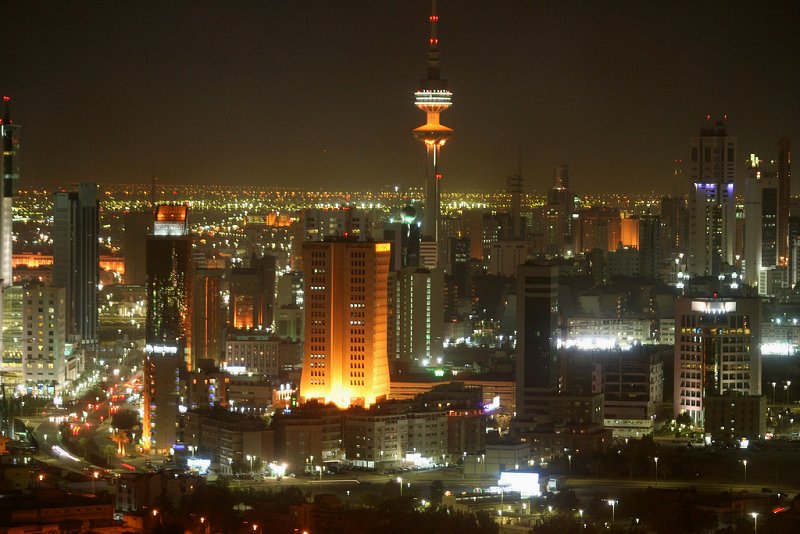
Phuket Town at Night


Central Festival Mall in Phuket


Junkceylon Mall in Phuket


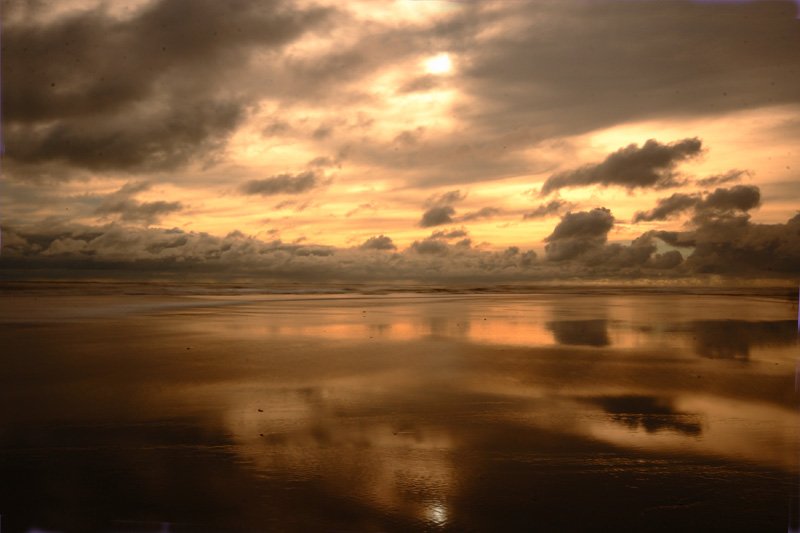
Patong Beach at sunset

Preparing for Phuket? Let us help!


Phuket is Thailand's largest island, and today, it's biggest beach destination. Phuket is located on the western coast of South Thailand, and dangles like a pendant off the Isthmus of Kra.

Phuket is about the size of Singapore. It faces the Andaman Sea, and is located 867 kilometres south of Bangkok. The island has a colourful past. It used to derive its wealth from tin and rubber - today, many old houses in Phuket town testify to the old money from these commodities. The island was a stopover along the trading routes between India and China and was frequently mentioned in ship logs. In the old days, the island was called Junk Ceylon.


In 1785 a passing sea captain, Francis Light (click here for his biography), sent word that the Burmese were en route to attack. Forces in Phuket assembled to face the Burmese.

The Thai counteroffensive was led by two heroic sisters, Kunying Jan (aka Thao Thepkasattri), wife of Phuket's recently deceased governor, and her sister Mook (aka Thao Sisunthon). As there was not enough men so she ordered 500 women to dress as soldiers with coconut palms daubed in soot to look like weapons. This tactic succeeded in delaying a full-on Burmese attack. After a month's siege the Burmese were forced back on 13 March, 1785. Kunying Jan and her sister were credited with the successful defense.

The Burmese were to make three more offensives on Phuket between 1809-12 but armed forces from Bangkok arrived in time to push them back. Burmese invasion only stopped when Burma capitulated to the British. The Portuguese, French, Dutch and English all established trades with Phuket. While Phuket was fighting back the Burmese, Captain Francis Light had other intentions. He was looking for a site to be used as a British outpost, and contemplated Phuket. However, Phuket was spared when in 1786 he chose Penang instead.

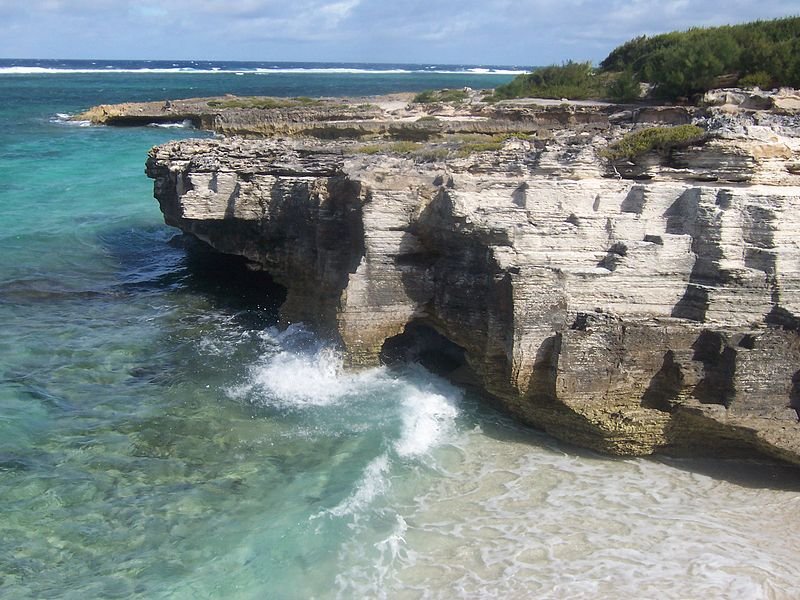
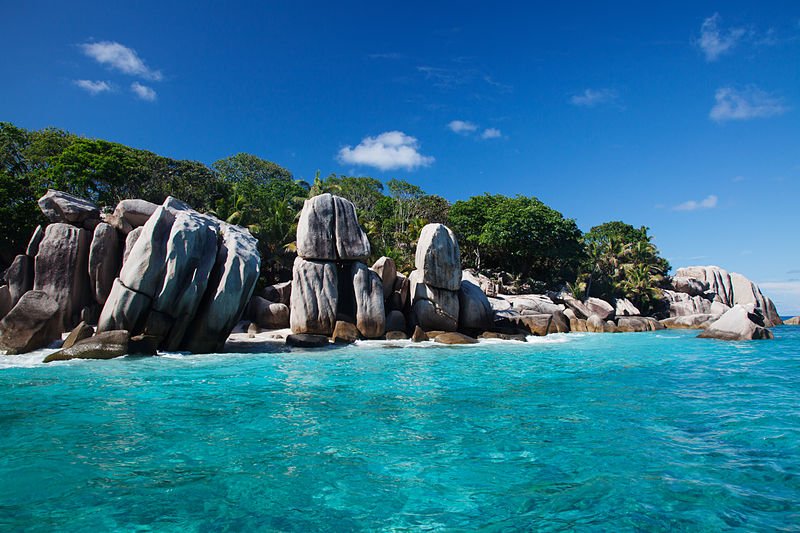
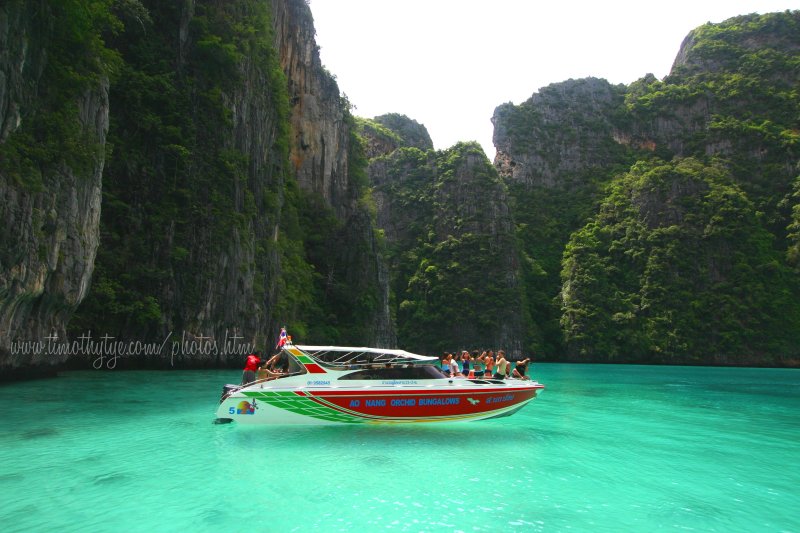
Phuket is blessed with magnificent coves and bays, and powdery white sand covers its beaches. The west coast faces the Andaman Sea, and hence the waves are rougher. Most of the beach resorts in Phuket are located on the western coast, along beaches such as Patong, Karon, Kata, Kamala and Nai Yang.

Phuket has two distinct seasons: the wet season from May through October, and the dry season from November through April. The best months to visit Phuket are from November through February. Average temperature ranges from 22-34 degrees Celsius. An international airport links Phuket to Bangkok and the rest of the world. By land, Phuket is linked to mainland Thailand by the Sarasin Bridge at the northernmost tip of the island.


Phuket Attractions


The main draw of Phuket is definitely its magnificent coastline. Beaches here range from gentle crescents of powdery white sand to rocky promontories. Here are some of the sights in Phuket:

Phuket Town : This compact town serves as the provincial capital. It has several beautiful colonial-style residences. These were built in the late 19th century by those who made their fortune from tin and rubber.

Rang Hill (Khao Rang) : A hill that overlooks Phuket Town. It has a bronze statue of Phraya Ratsada Nupradit @ Ratsada Korsimbi Na Ranong - the Governor of Phuket during the reign of King Rama V. He is actually a Chinese, and is also known in Malaysia by his Chinese name, Khor Sim Bee, and is credited with introducing rubber into Phuket.
Thaland National Museum : Located near the Two Heroines Monument, this museum has a permanent exhibit of life in old Phuket. Included are ancient artifacts and material used during the war with Burma.
Mai Khao Beach : 40 km away from Phuket town, this is Phuket's longest beach. Every year from November through February, giant sea turtles come ashore to lay eggs here.

Nai Yang Beach : Located 30 km from town, Nai Yang Beach is part of the Sirinath National Park. It has groves of casuarina trees as well as mangrove forests. Its tranquil setting makes it ideal for picnics.

Wat Phra Thong : Located inland from Nai Yang Beach, Wat Phra Thong enshrines a famous, partially buried Buddha. According to local legend, a boy found an object protruding from the earth. He proceeded to tie his buffalo to the object. Not long after, the buffalo and the boy both fell sick. The villagers then discovered that the boy had tied the buffalo to the topknot of a buried golden Buddha statue. They were unable to unearth the statue, so they constructed a wat over it. During the Burmese invasion, the Burmese attempted to remove the statue, but were attacked by vicious hornets.

Ton Sai Waterfall & Khao Phra Thaeo Wildlife Sanctuary Park : This 22 sq km area is a sanctuary for various wildlife including bears, porcupines, gibbons, macaques, reptiles and lizards, and over 100 species of birds.

Pansea Bay, Surin Beach, Sing Cape and Kamala Beach : Located 24 km from town, these places unfold one after the other in rapid successon. Due to the powerful surf and treacherous undertow, swimming is not recommended in Surin Beach. This is a good place to watch for spectacular sunsets.

Rawai Beach : This palm-fringed beach is best known for its sea-gypsies, a nomadic fishing community who dwell here.

Phanwa Cape : The Marine Biological Research Centre is located at the southernmost tip of this cape. Also found here is Phuket's Aquarium with several hundred exotic marinelife, mainly those found in Phuket waters.


Getting into Phuket

Phuket International Airport (HKT) is the second largest hub in Thailand. It has flight connections to the following destinations:

Getting Around Phuket

The most common way to get around Phuket is by tuk tuk. The Phuket tuk tuks are minivans or pick-up trucks (also called songthaew), with four wheels rather than three. Agree on the fare before boarding. Short distances cost about 40 baht, while for a journey between Patong Beach and Phuket Town, expect to pay no less than 200 baht.


Patong Beach in Phuket at sunset.


Thank you, thank you, thank you, for the opportunity to explore the world, to document, to photograph, and to share the information with you. My name is Tim, I'm the writer of this website, and I want to tell you how grateful I am for your visit. This is one of over a dozen websites that I write - you can click my thumbnail photo above to randomly visit any one of them. All my photos are available for commercial printing - find out the photo usage rights here. If you wish to share you photos on this website, upload them to www.panoramio.com and send the URL to me for consideration. And, if you'd like to correspond with me, send your mails to my address as shown below:


Here's the latest updates from my websites ...


Expedia.com


Copyright © 2003-2008 AsiaExplorers.  All rights reserved.

About the Author: AsiaExplorers is researched and written by Timothy Tye. We take reasonable care to check and verify the accuracy of the content. However, we disclaim any responsibility for any inconvenience, mishap, injury or death resulting from following the advice provided directly or indirectly by AsiaExplorers and the comments on its pages. All the photographs in AsiaExplorers are available for publication. Please contact AsiaExplorers at the following email address for your enquiries: