Ho Tay
@ West Lake, Hanoi, Vietnam


Your base for exploring this destination is the city of Hanoi. For travel information about Hanoi, go to Hanoi Travel Guide. Looking for budget accommodation in Hanoi? Use our Budget Accommodation Guide!


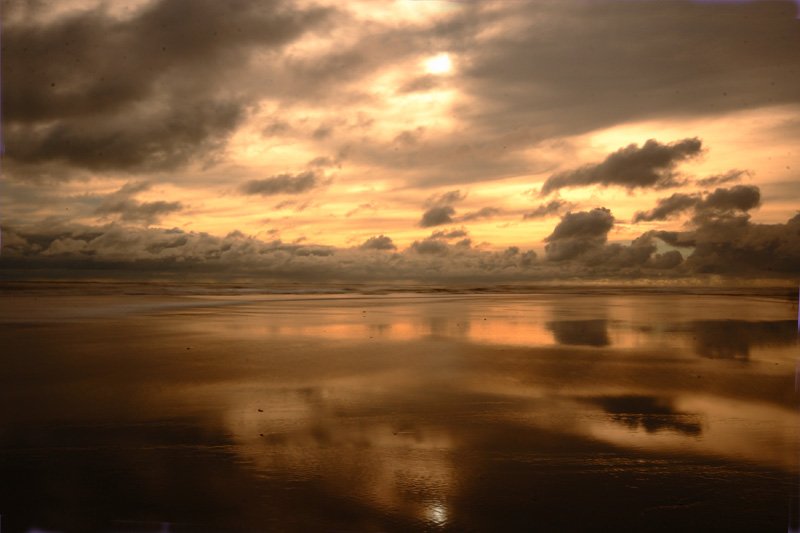
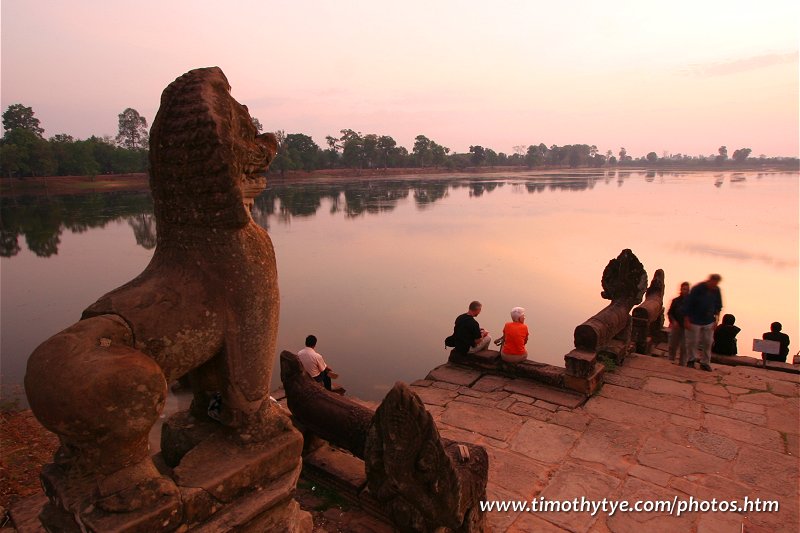
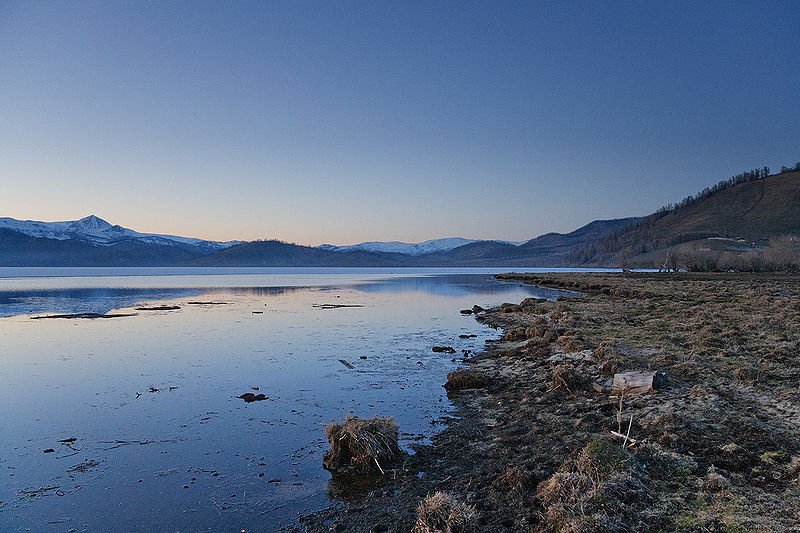
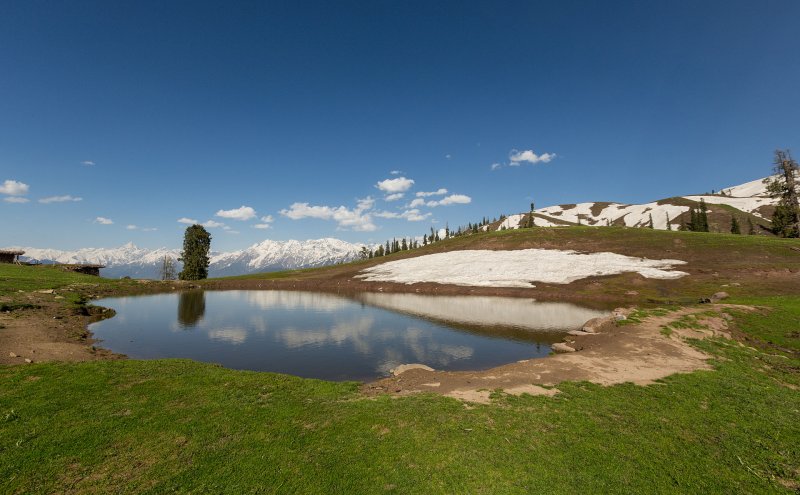
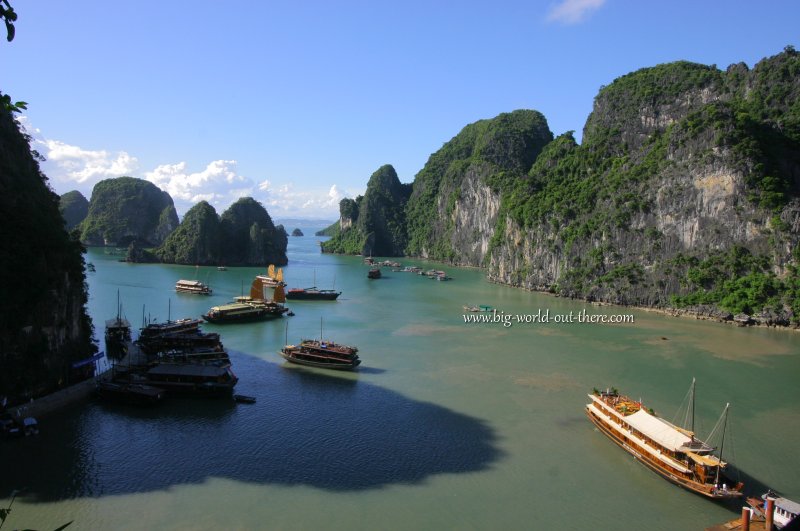
Ho Tay, which means West Lake, is the largest lake in Hanoi, Vietnam. It was also formerly known as the Lake of Mists. Ho Tay is the remains of the ancient river bed of the Song Hong, the Red River, which has since changed its course. During mediaval times, the kings as well as warlords had their palaces built on its banks. More recent times - the 90's - saw the lakeside being taken over by villas, hotels and restaurants, often of tactless design.


View of Ho Tay, the West Lake, from Phy Tay Ho Temple.


There is a legend connected to Ho Tay, about a strange beast that terrorised the people in the area. The beast was killed by the Dragon King who unleashed a torrent of water to drown it, and in the process created Ho Tay.
I explored the banks of Ho Tay by hiring a taxi from Hanoi. It turned out to be a very expensive exercise - I have a feeling that the taxi driver fleeced me with a dubious meter. So take that as a lesson, should you consider Ho Tay by taxi. Perhaps you should get one called by your hotel, rather than hailing one from the streets.


How to go to Ho Tay

The most straightforward way to reach Ho Tay is from Ba Dinh Square (where the Ho Chi Minh Mausoleum is located). Just head north alontg Hung Vuong, and that will take you to Ho Tay.


Hanoi Travel Guide

Hanoi Travel Guide

Get to know Hanoi and its tourist attractions.

Hanoi and its tourist attractions


Expedia.com


Copyright © 2003-2008 AsiaExplorers.  All rights reserved.

About the Author: AsiaExplorers is researched and written by Timothy Tye. We take reasonable care to check and verify the accuracy of the content. However, we disclaim any responsibility for any inconvenience, mishap, injury or death resulting from following the advice provided directly or indirectly by AsiaExplorers and the comments on its pages. All the photographs in AsiaExplorers are available for publication. Please contact AsiaExplorers at the following email address for your enquiries: